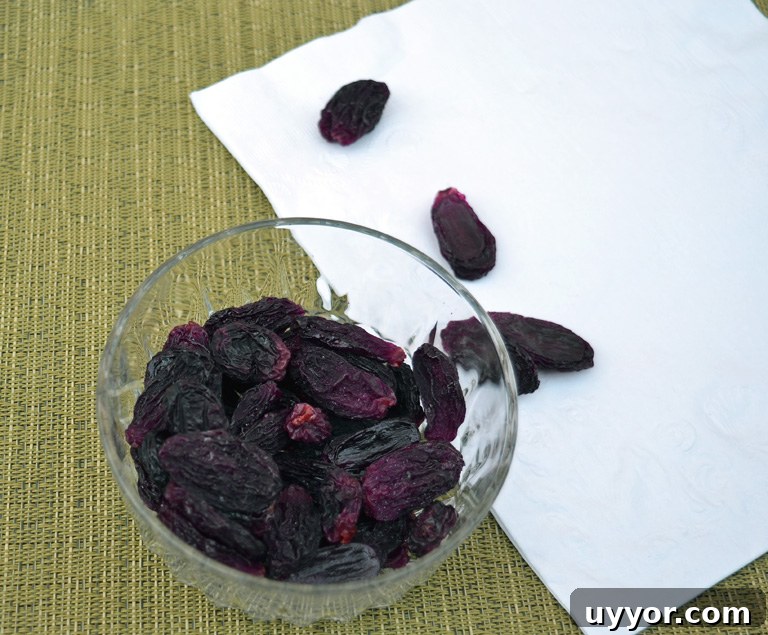
Raisins are so common we often overlook them. But have you tried dehydrating grapes to make your own? The result is a delightful, concentrated fruit with a flavor that beats many store-bought varieties.
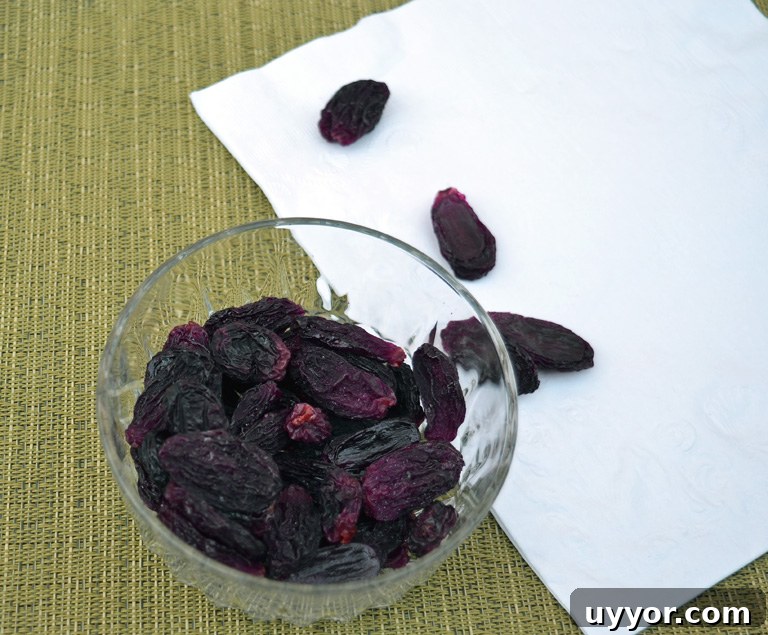
Dehydrating fruits and vegetables is an economical, space-saving way to preserve a harvest. It’s less common than canning or freezing, but it’s simple and rewarding. One of my favorite things to dehydrate is grapes. You might think raisins are cheap and plentiful—and they are—but making your own lets you explore different grape varieties and capture fresher, more intense flavors.
Commercial raisins are most often produced from green seedless grapes, even the darker varieties. Sun drying turns them brown, while dehydrators plus sulfur dioxide preserve a lighter yellow color. But why limit yourself to the typical options? Table grapes come in many varieties—black, red, and several shades of green—and each produces a distinct tasting raisin. I’ve made batches from black seedless and from red grapes; each yields a different sweetness and tang.
I dehydrate fruit for many recipes, especially fruitcakes and other baked goods. When you dry your own fruit, the flavors are fresher and more vibrant than commercial dried fruit. Home-dehydrated grapes often taste sweeter and have a bright tang that stands out in baking or snacking. If you enjoy preserving food, you’ll find this technique addictive. Below is a clear, step-by-step guide to making raisins at home.
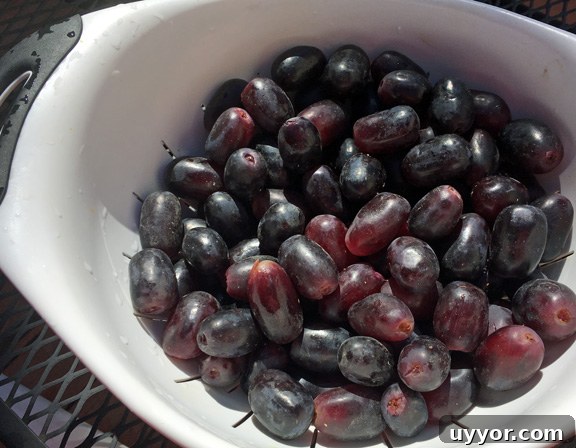
Step 1: Remove grapes from the bunch and discard any that are soft, damaged, or moldy.
Step 2: Wash the grapes thoroughly and let them drain.
Cracking the Skins
Step 3: Fill a large pot with water and bring it to a rolling boil.
Step 4: While the water heats, prepare a large bowl of iced water.
Step 5: Place the grapes in a wire basket and lower them into the boiling water, or carefully add them directly to the pot.
Step 6: Once the water returns to a boil, let the grapes cook for 1 minute.
Step 7: Remove the grapes and immediately plunge them into the ice water to stop the cooking.
Step 8: Leave the grapes in the ice water for about 1 minute. This blanch-and-shock step cracks the skins in a few places, which helps moisture escape during dehydration.
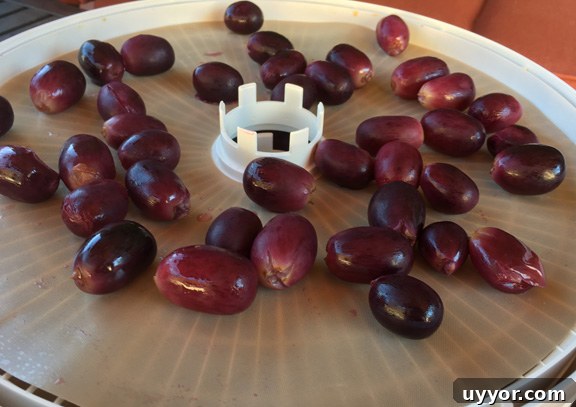
Dehydrating the Grapes
Step 9: Drain the grapes well and spread them in a single layer on dehydrator trays. Set the dehydrator to 135°F (57°C) and dry until the grapes are soft and pliable. Drying time varies widely—typically 6–20 hours or longer—depending on grape size, humidity, how well the skins cracked, and how plump the fruit was to begin with. Check periodically and rotate trays if needed for even drying.
Condition the Fruit
Step 10: When the grapes feel properly dried, remove them from the dehydrator and place all the fruit into a clean container such as a zip-top bag or a glass jar for conditioning.
Step 11: For conditioning, shake or gently mix the container once a day for 2–7 days. This evens out moisture between pieces and helps prevent spoilage. After conditioning, place the container in the freezer for 48 hours to eliminate any insect eggs.
Step 12: Store your homemade raisins in the freezer for long-term protection, or keep them in a cool, dry pantry for regular use in baking and snacking. Freezing adds extra security against insects and mold and preserves freshness.
Making raisins at home is a simple, rewarding process that highlights the unique flavors of different grape varieties. Once you try home-dehydrated grapes, you’ll likely prefer their concentrated sweetness and lively tang to many commercial options.
For visual reference, here is an image of a magazine feature on dehydrating and preserving practices.