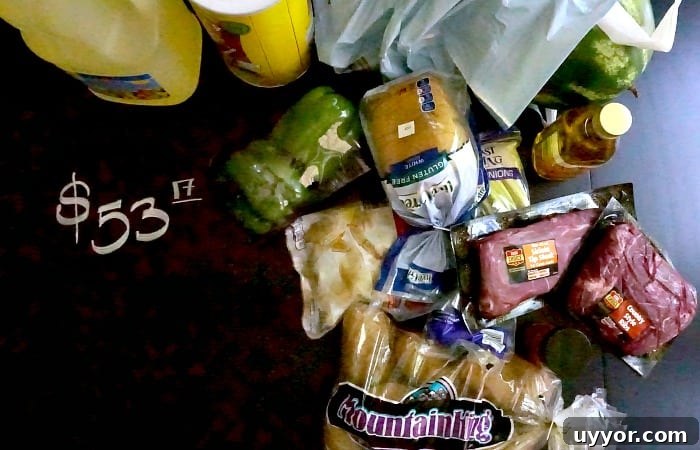
Grocery shopping changed a lot for me after having kids. Before children my fridge was often a little bare; now it’s overflowing and I frequently do a “cull” week where I cook only from what’s on hand to make room for the next week’s groceries. That means my food budget ballooned. Recently I found a set of smart strategies—17 easy hacks to save money grocery shopping—and an ALDI opened nearby. The timing couldn’t have been better.
17 Easy Hacks to Save Money Grocery Shopping
- Start by shopping at ALDI. On my first trip I spent $53 where I would have spent $100 at my usual store. Prices are significantly lower, yet the quality is excellent. The shopping experience was also great—the staff were helpful and friendly, which made the trip easier while managing two small children.
- Make a list. Plan what you need and stick to the list to avoid impulse purchases.
- Don’t go hungry. Shopping on an empty stomach encourages impulse buys. The same goes for taking hungry kids along.
- Buy in-store brands when possible. In-store brands are often cheaper and comparable in quality. Some stores offer dedicated lines for organic or gluten-free items at lower prices than national brands.
- Check your pantry before you go. Start your list by taking stock of what you already have to avoid duplicates and waste.
- Plan your meals. When you buy only what’s needed for planned meals, you reduce waste and unnecessary spending.
- Shop seasonal produce. Fruits and vegetables in season are fresher and usually cheaper—watermelon, for example, is more affordable in summer.
- Plan to preserve. Preserve seasonal bounty by freezing, dehydrating, or canning. Preserving reduces long-term cost and food waste.
- Use affordable staple ingredients more often. Staples like beans, rice, and carrots are inexpensive and versatile. Using them as regular sides or in recipes reduces reliance on pricier out-of-season produce.
- Check shelf life. Compare shelf life when choosing items—some products like coconut milk or certain grains store longer than fresh dairy or whole grains, helping reduce spoilage.
- Learn to make cheap cuts of meat taste great. Slow cooking, marinating, or braising can transform inexpensive cuts into flavorful meals.
- Buy bone-in meat. Bone-in cuts are typically less expensive and add flavor, especially when making broths or slow-cooked dishes.
- Take your time while shopping. Rushing often leads to poor choices. Slow, deliberate shopping helps you stick to your list and compare options.
- Compare sizes and unit prices. A lower price tag doesn’t always mean better value. Check weight or unit price to find the best deal.
- Shop less frequently. Limiting grocery trips to once a week or less reduces opportunities for impulse purchases and saves time.
- Buy reusable grocery bags once. Affordable, durable reusable bags cost less over time than repeatedly buying disposable or pricier alternatives.
- Allow a small number of impulse buys. Set a limit—either a dollar cap or a fixed number of treats—so you can enjoy a little flex without blowing your budget.
Many of these tips highlight benefits I found at ALDI, but the principles apply broadly: plan, compare, preserve, and be intentional about purchases. These habits help cut costs without sacrificing quality or flavor.
What would you add to these 17 hacks? Homemade grocery bags, batch cooking tips, or ways to repurpose leftovers are great ideas to expand savings. Share your favorite grocery-saving strategies in the comments or on social media—I’d love to hear what works for you.