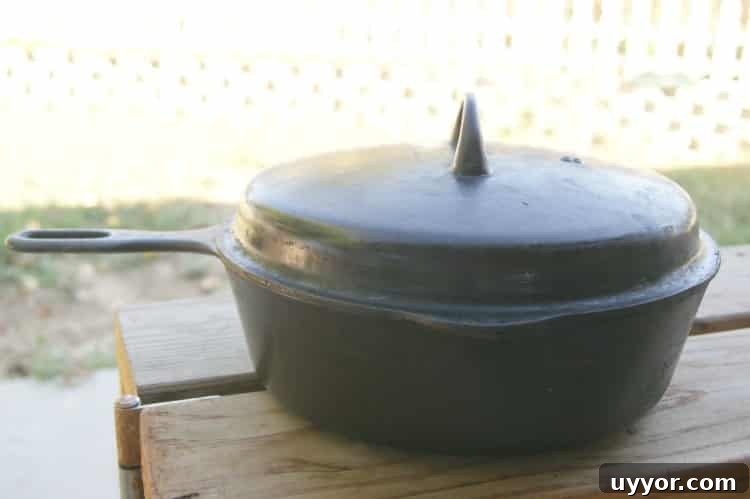
I’m not a cast-iron expert, but after I replaced my non-stick Teflon pans I’ve learned a lot about caring for cast-iron cookware. Between recipes like my Lamb and Kale Skillet Dinner and breakfast pizza eggs, it’s clear I love cooking with cast iron. I’ve received pieces as gifts, hunted them at thrift stores, haggled at garage sales, and I genuinely enjoy every single dish that comes out of them.
{{This post may contain affiliate links. The price is the same for you. Thank you for blessing my family.}}
Below I share the pros and cons of cast-iron cookware based on my own experience.
Pros:
- Cast iron works on any heat source: stovetop, oven (any temperature), campfire, or stone oven. Be careful on glass cooktops to avoid scratching.
- Cast iron is a safer alternative to non-stick skillets because it doesn’t emit toxic fumes when overheated. It’s also a good substitute for aluminum cookware.
- When properly seasoned, cast iron can become as non-stick as Teflon pans.
- Regular use of cast iron can contribute a small amount of dietary iron, though it shouldn’t be relied on as a treatment for anemia.
- Cast iron excels at browning meats and fish, producing a desirable crust and flavor.
- Durable and long-lasting, cast iron often improves with age. Many families pass pans down for generations, and metal utensils won’t scratch the surface.
- Cast iron retains heat exceptionally well, promoting even cooking and steady temperatures.
- Cast-iron cookware is affordable compared with high-end non-stick pans. For example, a quality dutch oven or a simple 10-inch skillet can be very inexpensive, especially when found secondhand.
Cons:
- Cast iron is heavy. Some might find the weight a drawback, though others see it as an added benefit for building arm strength.
Overall, the benefits far outweigh the drawbacks. Yet when I enthusiastically recommend cast iron to friends, I sometimes get blank stares. Caring for cast iron is simpler than many assume.
I once bought multiple pans at a garage sale for just $10. I planned to re-season them and give them away, but I ended up keeping every single one. One of them is a beautiful vintage Griswold Mountain Cast Iron chicken pan—perfect for roasting a whole bird. I also have a single-serve griddle that’s ideal for solo breakfasts. No matter the size, proper care will keep these pans in great shape.
Quick note: many store-bought cast-iron pans come “pre-seasoned.” That’s convenient, but some manufacturers use vegetable oils that can contain trans fats and genetically modified ingredients. If you prefer, you can strip and re-season pre-seasoned pans using your preferred oil. If you don’t want to take that extra step, a thorough wash with hot, soapy water before first use and then proper seasoning is a good compromise.
A cheaper option is to find cast iron at thrift stores, garage sales, or estate sales. Vintage finds are often high quality and inexpensive.
How to Restore Rusty or Poorly Seasoned Cast Iron
STEP 1: Scrub the pan with coarse salt and a scrubbing pad, then wash with soap and hot water to remove rust and old residue.
STEP 2: Dry the pan thoroughly. I dry mine on the stovetop over low-medium heat until no moisture remains.
STEP 3: Apply oil generously to all surfaces—inside, outside, lid, edges, spout, and handle—with an old rag. Wipe off excess so only a light sheen remains.
STEP 4: Line the bottom rack of the oven with foil and place the pan upside down on the top rack. Bake at 350°F (175°C) for 1–2 hours to bake the oil into the surface. Turn off the oven and allow the pan to cool completely inside.
How to Care for Seasoned Cast Iron
After each use, rinse the pan under hot water and scrub with a sponge (use soap if needed). Dry it thoroughly on the stovetop over low heat. Add about 1/4 teaspoon of oil, then use a brush or rag to spread it across the inside surface, covering sides and bottom. Keep the pan on low heat for about a minute to help the oil absorb. I usually re-season after each use or at least every other use to maintain that smooth, protective finish.
What Oils Are Best for Seasoning Cast Iron
Choose an oil with a relatively high smoke point. While some recommend flaxseed or palm oil, I typically use what I have on hand—coconut oil, lard, or butter. Any stable oil that forms a durable layer when baked in will work well.
With a few uses and consistent, simple care, cast-iron maintenance becomes second nature and your pans will reward you with excellent cooking performance for years.