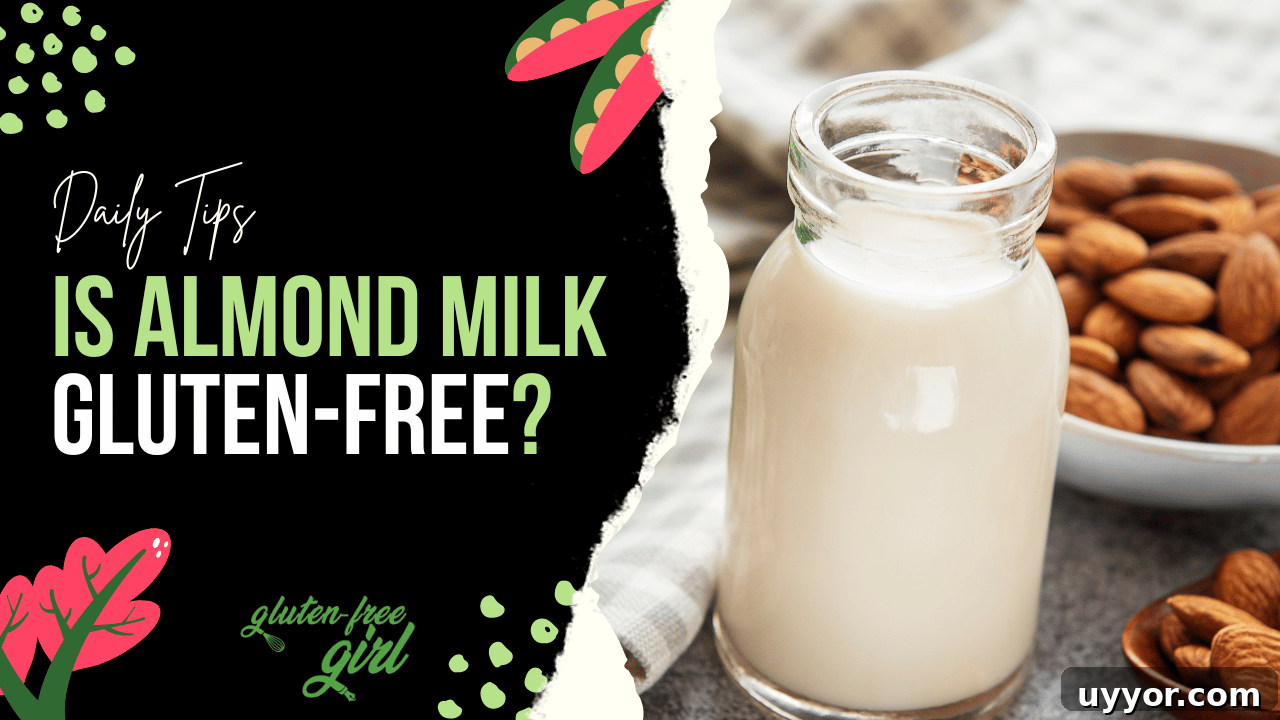
Yes, almond milk is gluten-free. Almond milk is made from almonds and water, so it does not contain gluten, the protein found in wheat, barley, and rye. Because almonds are nuts rather than grains, almond milk is naturally free of the gluten proteins that trigger reactions in people with celiac disease or gluten sensitivity. This makes almond milk a safe, plant-based alternative to dairy or grain-based milks for those who must avoid gluten.
For people with celiac disease, strictly avoiding gluten is essential to prevent intestinal damage and other complications. Celiac disease is an autoimmune condition in which gluten consumption causes inflammation and injury to the small intestine, impairing nutrient absorption. Adopting gluten-free alternatives such as almond milk supports a safe diet while providing flexibility for cooking and baking.
Besides its role in gluten-free diets, almond milk is often chosen for broader health reasons. Many people select almond milk to reduce dairy intake, manage lactose intolerance, or follow a vegan or Paleo-friendly regimen. Its mild, slightly nutty flavor complements both sweet and savory recipes, and its compatibility with gluten-free flours and thickeners makes it an adaptable ingredient in health-conscious kitchens.
Can a Patient with Celiac Drink Almond Milk?
Yes. Individuals with celiac disease can generally drink almond milk safely, as long as the product itself and any added ingredients are free from gluten and there is no cross-contamination. Almond milk’s base ingredients—almonds and water—do not contain gluten, making it a suitable dairy alternative for those who must avoid gluten.
When choosing almond milk, patients should check labels for gluten-free certification or allergen statements and avoid products made in facilities that process gluten-containing grains if cross-contamination is a concern. Additionally, watch for added flavorings, thickeners, or mixes that may introduce gluten.
What Gluten-Free Recipes Can You Prepare with Almond Milk?
Almond milk works well in many gluten-free recipes. Examples include:
- Creamy Almond Milk Soup: Use almond milk as the base for vegetable or blended soups to add richness and a subtle nutty note.
- Almond Milk Smoothies: Combine almond milk with fruits, seeds, or nut butters for a quick, dairy-free smoothie.
- Gluten-Free Almond Milk Pasta Sauce: Make a creamy sauce using almond milk, gluten-free flour or cornstarch as a thickener, and herbs for a dairy-free pasta option.
- Baked Goods with Almond Milk: Substitute almond milk in gluten-free cakes, muffins, and breads made with almond, rice, coconut, or gluten-free all-purpose flours.
- Almond Milk Rice Pudding: Replace dairy milk with almond milk for a subtly nutty rice pudding flavored with vanilla or cinnamon.
- Almond Milk Ice Cream: Use almond milk as the base for dairy-free ice cream; watch for mix-ins that may contain gluten.
- Almond Milk Chia Pudding: Mix almond milk with chia seeds and sweetener for a nutrient-dense breakfast or snack.
- Gluten-Free Almond Milk Pancakes: Combine almond milk with a gluten-free flour blend for light, fluffy pancakes.
Is Almond Milk Dairy-Free?
Yes. Almond milk is dairy-free because it contains no animal milk—only almonds and water (plus any added stabilizers or flavors). It’s a popular choice for vegans and people who are lactose intolerant. While almond milk itself is dairy- and gluten-free by nature, consumers should always check labels for cross-contamination warnings or added ingredients that could introduce gluten or dairy components.
How to Maintain Gluten-Free Status in Drinks Made with Almond Milk?
To keep almond milk drinks gluten-free:
- Choose almond milk labeled or certified gluten-free.
- Verify that any syrups, powders, or flavorings are also gluten-free.
- Avoid cross-contamination by using clean utensils and separate preparation areas when possible.
- Establish a dedicated zone or clearly separate equipment in shared kitchens to prepare gluten-free items.
Cross-contamination can occur when utensils, containers, or surfaces that have contacted gluten are reused for gluten-free items. Being deliberate about cleaning and separation helps protect sensitive consumers.
Do Almond Milk-Based Pastries Typically Contain Gluten?
Almond milk-based pastries often contain gluten because most traditional pastry recipes use wheat flour. To make pastries gluten-free, substitute wheat flour with gluten-free options such as almond flour, rice flour, coconut flour, or a gluten-free all-purpose blend. Also check that extracts, thickeners, and other flavorings are gluten-free and avoid cross-contamination in the kitchen.
Is Commercial Almond Milk Free from Gluten?
Most commercial almond milks are gluten-free, since their primary ingredients are almonds and water. However, always read ingredient lists and labels: some brands add thickeners, stabilizers, or flavors that could introduce gluten, and cross-contamination is possible if the product is processed in a facility that handles gluten-containing grains. Choosing products labeled as gluten-free gives added assurance.
Does Almond Milk-Based Ice Cream Usually Have Gluten?
Almond milk–based ice cream is typically gluten-free, but the final gluten status depends on added mix-ins and flavorings. Ice creams that include cookies, brownie pieces, or certain flavor sauces may contain gluten. Always check ingredient lists or certification if you need a guaranteed gluten-free product.
Are Alcoholic Beverages with Almond Milk Flavoring Gluten-Free?
Alcoholic beverages flavored with almond milk or almond flavoring can be gluten-free, but this depends on ingredients and production methods. Distilled spirits are generally considered gluten-free even if made from gluten-containing grains, because distillation removes gluten proteins. However, added flavorings or post-distillation ingredients could introduce gluten, so review labels or ask producers when in doubt.
What Steps Can Prevent Gluten Contamination in Almond Milk Drinks?
Key preventive steps:
- Buy almond milk and other ingredients with gluten-free labels or certification.
- Read product labels carefully for hidden sources of gluten or allergen statements.
- Use separate utensils, containers, and preparation areas to avoid cross-contact.
- Confirm practices at cafés or suppliers to ensure they minimize cross-contamination risks.
Careful sourcing, diligent label reading, and strict separation practices help keep almond milk drinks safe for people with celiac disease or gluten sensitivity.
Are Gluten-Free Ingredients Common in Almond Milk Desserts?
Yes. Many almond milk desserts are formulated with gluten-free ingredients, and several brands market almond milk–based sweets that are certified gluten-free. Still, consumers should look for a gluten-free label and verify that mix-ins, flavorings, and manufacturing processes meet gluten-free standards. Naturally gluten-free foods—fresh fruits, vegetables, meats, seafood, and certain grains like rice, quinoa, and buckwheat—are useful when creating gluten-free desserts with almond milk at home.
Is Gluten Present in Almond Milk Custard?
No, almond milk custard is typically gluten-free when made with gluten-free thickeners such as cornstarch or arrowroot powder, sugar or other gluten-free sweeteners, and gluten-free flavorings. Check labels for any pre-mixed custard powders or flavorings and ensure utensils and preparation areas are free from gluten to avoid contamination.
Do Baked Goods with Almond Milk Often Include Gluten?
Often they do, because traditional baked goods use wheat flour. To keep baked goods gluten-free, use alternatives like almond flour, rice flour, coconut flour, or gluten-free all-purpose blends. Confirm that all other ingredients and additives are gluten-free and prevent cross-contact during preparation.
Is Gluten a Common Ingredient in Almond Milk Cake?
No. Gluten is not inherent to almond milk cakes, but traditional cakes commonly include wheat flour. Gluten-free versions replace wheat flour with gluten-free alternatives and ensure all other ingredients and decorations are gluten-free. Careful labeling and preparation practices are important to keep cakes safe for those avoiding gluten.
Are All Almond Milk Food Products, Including Those Containing Starch, Gluten-Free?
Many almond milk food products are gluten-free, but it depends on formulations and processing. Examples:
- Almond milk beverages: Generally gluten-free unless additives or cross-contamination are present.
- Almond milk creamers: Often gluten-free, but some contain thickeners or flavorings that may introduce gluten—check labels.
- Almond milk yogurts: Typically gluten-free, though facility cross-contact can occur.
- Almond milk ice cream: Usually gluten-free unless mix-ins contain gluten.
- Almond milk with added starch: Usually gluten-free, but confirm the starch source—some starches may derive from wheat.
When in doubt, choose products labeled or certified gluten-free and review ingredient lists carefully to avoid hidden gluten or contamination risks.