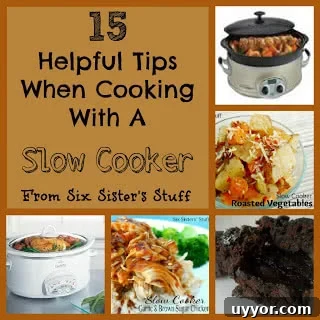
I first discovered the magic of crock pots watching cooking shows with my parents. I remember a family gathered around the stove while the hosts demonstrated how to use an instant-read thermometer and stressed food safety. They showed how inexpensive cuts of meat can become deeply flavorful with the right seasoning and slow cooking techniques. Inspired, I asked my mom to try a slow-cooker recipe at home. She carefully chose the right cut of meat and taught me how a long, slow cook transforms tougher cuts into tender, succulent meals. Our first trial was a pot roast with vegetables, and it remains one of the best slow-cooked meals I’ve ever tasted.
My mom would start the pot roast in the morning and let it cook all day. The house would smell incredible by the time I returned from school. She always allowed plenty of time for the meat to become tender—worth every minute of waiting. Helping set the table and serve the meal became part of the evening ritual. Those early lessons gave me confidence: slow cooking is forgiving, and letting recipes take their time often yields the best results.
When I turned sixteen I started cooking more on my own. I worried it might be difficult, but slow cooking turned out to be simple and rewarding. Many recipes are as easy as combining ingredients and letting the crock pot do the work. Over the years I’ve built a repertoire of both simple and more advanced slow-cooker dishes, proving the appliance’s versatility. Whether you’re making meals with dairy (like sour cream or parmesan), root vegetables, or fresh herbs, the slow cooker accommodates a wide range of flavors and textures.
Below are practical, easy-to-follow tips that apply to most slow-cooker recipes. These suggestions will help both new and experienced users get consistently great results.
1. High on most slow cookers is approximately 300°F; Low is approximately 200°F.
2. One hour on High equals about 2 to 2½ hours on Low.
3. Don’t peek while cooking. Lifting the lid costs about 15–20 minutes of heating time for the cooker to regain steam and return to temperature.
4. Browning meat, onions, and vegetables before adding them to the cooker enhances flavor. This step can be skipped in many recipes if you’re short on time—the results will still be good.
5. Whole herbs and herb sprigs hold up and release flavor well during long cooking. Ground seasonings tend to lose potency; add them in the last hour and adjust seasoning to taste before serving.
6. Slow cookers are great for side dishes too. For example, baked potatoes: fill the slow cooker with cleaned potatoes, cover, and cook all day. Peel when done for mashed potatoes, potato salad, or simply served as baked potatoes.
7. Liquids don’t reduce much in a slow cooker. If your dish ends up too soupy, remove the lid, set the cooker to High, and let some liquid evaporate until it reaches your desired consistency.
8. Less tender, less expensive cuts of meat are ideal for slow cooking. Cooking on Low for 6–8 hours typically makes these cuts much more tender than cooking on High for 3–4 hours.
9. Using a slow cooker keeps your kitchen cooler than using an oven, which is especially pleasant in summer. Plus, the whole house smells amazing as your meal simmers all day.
10. Crock pot liners make cleanup quick and simple and do not affect cooking. If you don’t have liners, a light coating of cooking spray helps reduce sticking.
11. Food at the bottom of the slow cooker tends to cook faster and become more tender than food on top. For most recipes I place meat and root vegetables in the bottom unless instructed otherwise.
12. Cut hard vegetables into similar-sized pieces so they cook evenly.
13. Add tender vegetables like tomatoes, mushrooms, and zucchini during the last hour to prevent them from becoming overly soft and mushy.
14. Do not fill the slow cooker to the brim. Aim for it to be about half to three-quarters full. When it’s less than half full, cooking can be quicker and foods may dry out or burn.
15. Choose a slow cooker that fits your needs. There are many sizes and models available—research features and ask friends or family for recommendations to find one that works best for you.