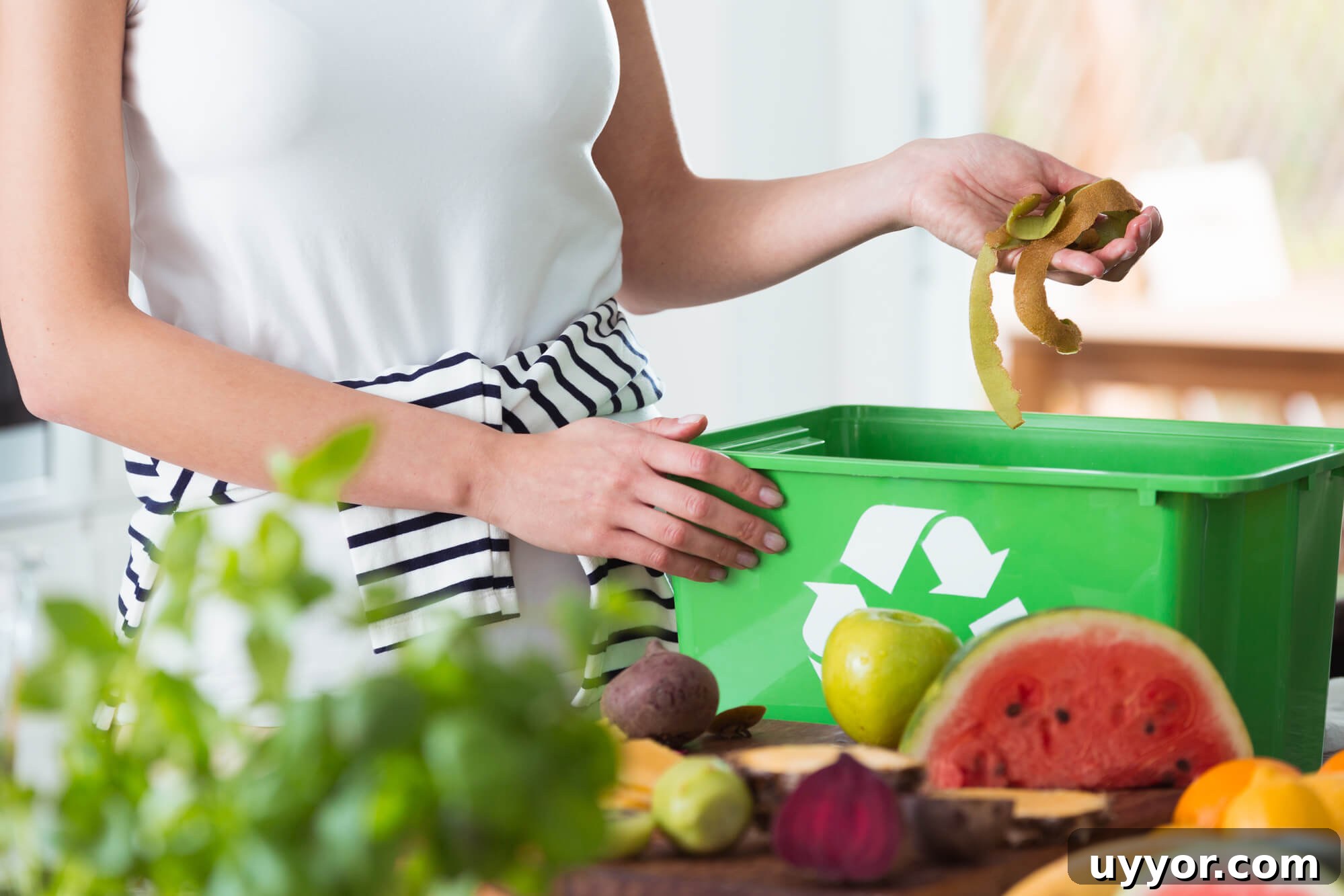
In honor of Earth Day, we’re dedicating the week to practical, sustainable kitchen habits. If you’ve participated in the #ProduceChallenge, you’ve already started reducing kitchen waste at home. Below are additional, easy-to-adopt strategies to cut food waste and minimize trash from your kitchen.
A recent study found that roughly 25 percent of the food purchased in the United States ends up in landfills. Tossing a bruised banana may seem harmless, but fruits and vegetables require water, land, labor and fuel to grow and reach store shelves. Wasting food means wasting those resources as well. Reducing food waste lowers environmental impact and respects the resources used to produce what we eat.
Kitchen sustainability isn’t only about environmental benefits—it also saves money. Using more of what you buy stretches your grocery budget. The average American family of four discards food worth an estimated $1,365 to $2,275 each year. Small changes can add up to significant savings over time.
Sustainable habits also build appreciation for food and the effort behind it. When we recognize the energy involved in growing and transporting food, we tend to waste less and value our meals more.
Practical ways to reduce kitchen waste
Whole fruit and vegetable cooking
Whole-fruit and whole-vegetable cooking means using the entire produce item, “root to stalk,” so there’s little or nothing to discard. Many items are more versatile than you might think—watermelon rinds can be pickled, and whole lemons (peel and all) can be blended into smoothies. Exploring recipes that use peels, stems and cores can dramatically reduce waste and unlock new flavors.
Try collecting whole-veg recipes to learn how to prepare stems, peels and cores. Many chefs and food educators share approachable ideas for using the whole vegetable—experiment and find the techniques that work best for your family.
Composting
When produce parts can’t be eaten, composting is an effective way to keep food waste out of landfills while creating nutrient-rich soil for your garden. Kitchen scraps like fruit and vegetable peels, coffee grounds and eggshells are commonly compostable. If you’re new to composting, look for simple guides that explain which items to include and how to maintain a healthy compost bin.
Cloth napkins
Replacing paper napkins with cloth napkins is a small change with a big impact. Cloth napkins are inexpensive, reusable and reduce waste. They can be washed with towels, so they won’t add a separate laundry load. A set of colorful napkins can also make it easy for each family member to use and reuse the same napkin throughout the week.
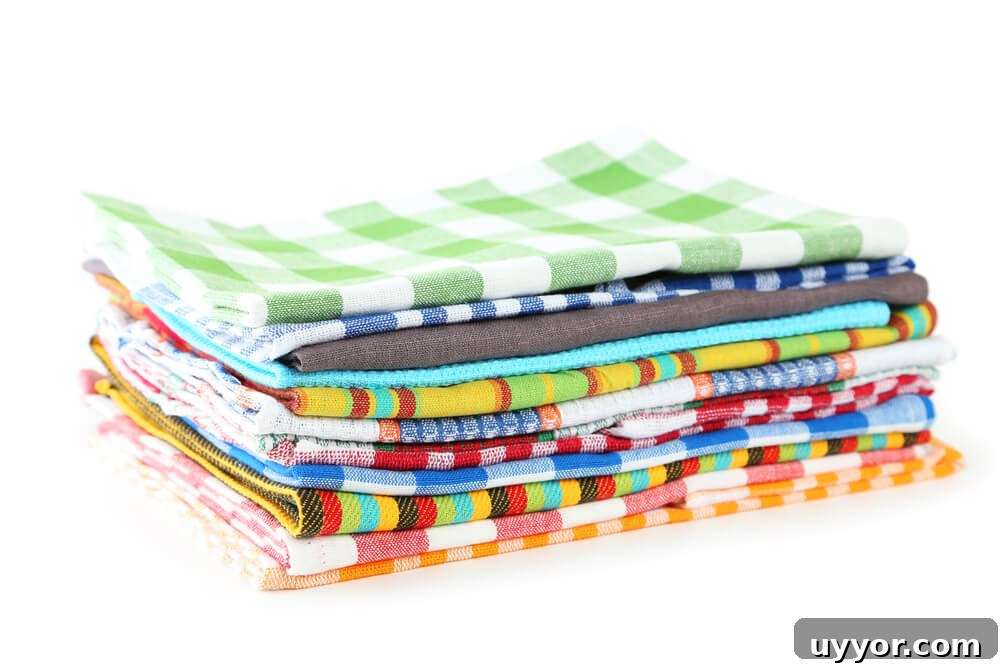
Pro Tip: Buy multi-colored napkins and let each family member claim a color so everyone reuses their own napkin before it goes into the wash.
Reusable containers
Swap one-time-use plastic bags, foil and cling wrap for reusable containers. Bento boxes, glass containers, and sturdy food-storage options keep meals fresh without generating single-use waste. Reusable water bottles and travel mugs are widely available and can replace disposable cups and bottles.
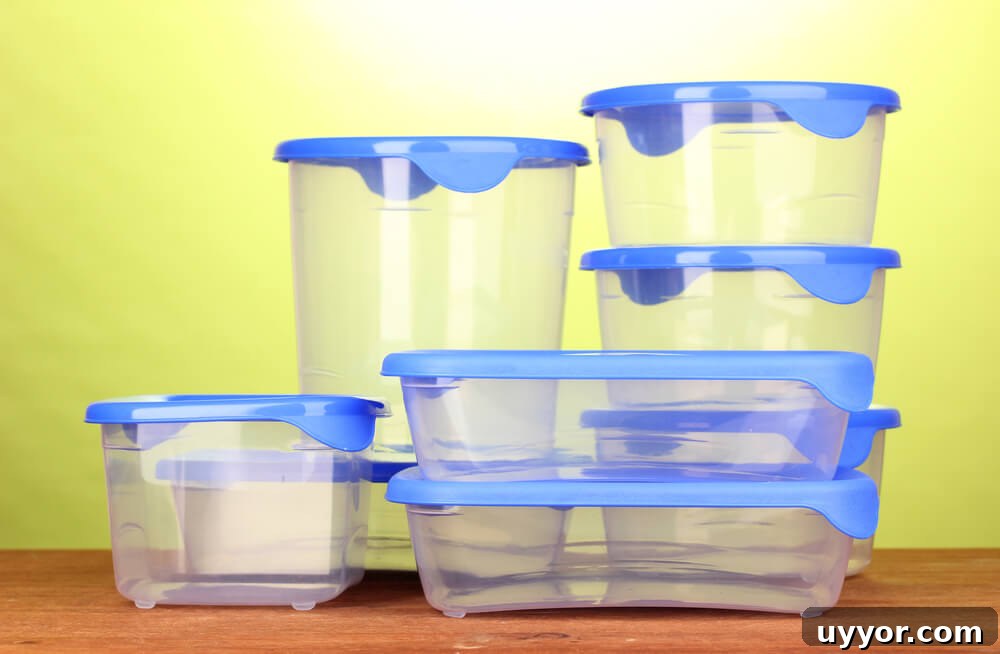
Pro Tip: Bring a reusable mug to coffee shops—many cafés are happy to fill it and some offer a discount for doing so.
Reusable shopping totes
Switch to reusable shopping totes for groceries. Most stores sell affordable cloth bags near the registers. Using reusable bags eliminates disposable bag waste and they’re handy for carrying items home. If you ever forget them, reuse paper or plastic bags at least once before discarding and recycle when possible.
Pro Tip: Repurpose plastic bags for storing produce like cilantro or lining small trash cans before recycling them.
Eat what you buy
Planning meals helps ensure you use the food you purchase. Create a weekly meal plan and shop with a list so you buy only what you need. When possible, plan multiple meals that use the same ingredient. For example, if you buy a pineapple, schedule it for dinner one night and include it in a smoothie for breakfast the next day to avoid spoilage.
Can, freeze, preserve
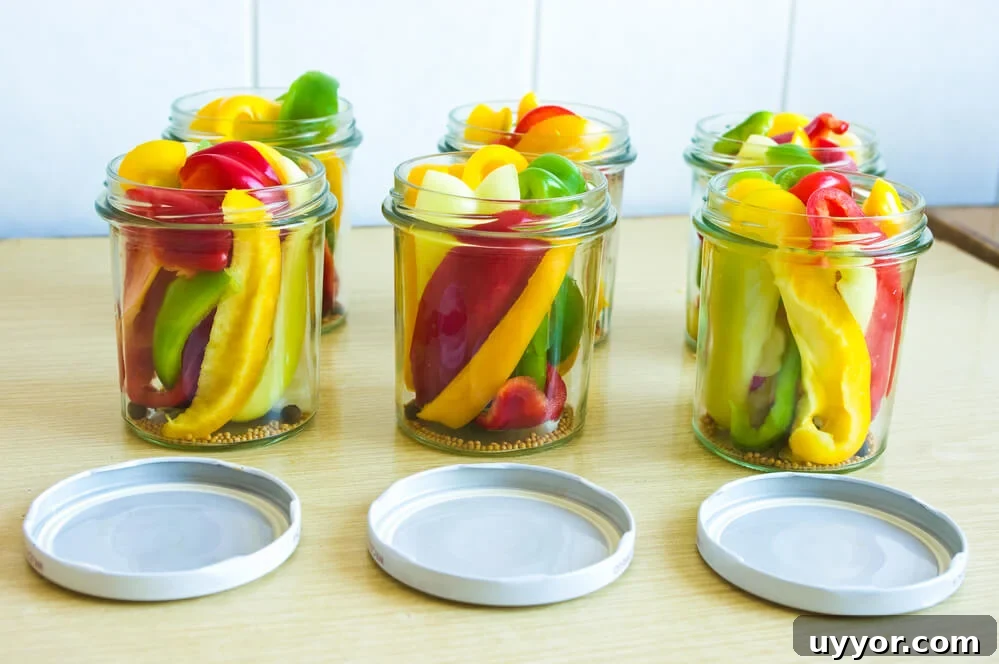
If produce begins to exceed what you can eat fresh, preserving it by canning, freezing or pickling extends its life and prevents waste. Home-preserving is ideal for bumper harvests—think excess tomatoes or berries—and gives you shelf-stable or frozen ingredients for months to come.
Challenge yourself to adopt a few of these practices for a month to form new habits. After 30 days, assess whether you saved money, reduced waste, and felt more connected to the resources behind your food. Small changes often lead to meaningful results.
Happy Earth Day! We have a beautiful planet—let’s do our part to protect it. Share your best kitchen sustainability tip in the comments below.