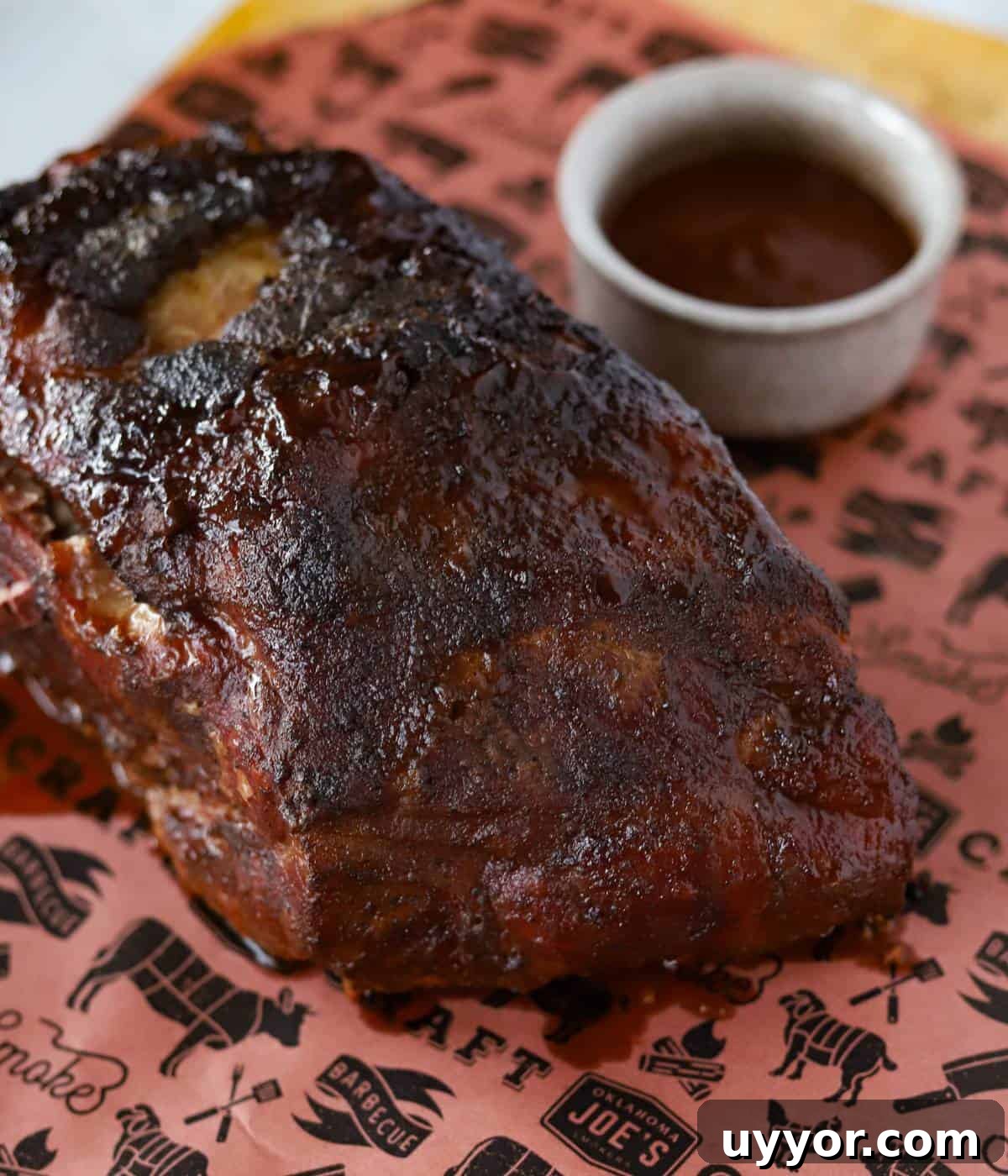
This Smoked Pork Butt is smoked low and slow on a pellet grill for a deeply flavored crust and a tender, juicy interior. The exterior develops a rich smoky bark while the inside shows a beautiful smoke ring. Fire up your smoker and get ready for classic pulled pork perfection.
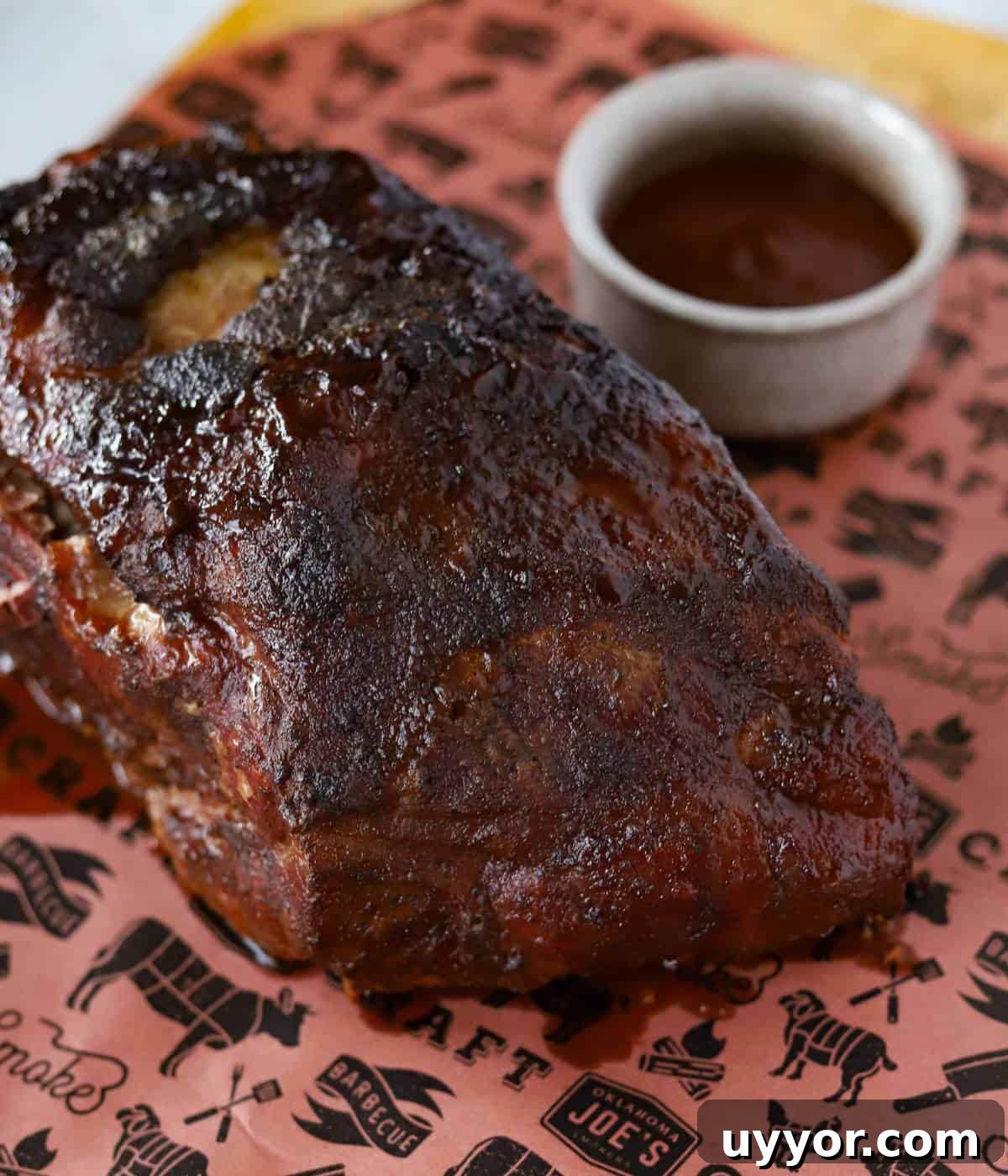
Pulled pork sandwiches are a Southern favorite, and a good smoked pork butt delivers the tender, flavorful meat you expect. Serve with your preferred barbecue sauce—Eastern North Carolina vinegar sauce is tangy and delicious—or top with a creamy pulled pork coleslaw for extra texture and flavor.
Despite the name, pork butt comes from the shoulder, often called the Boston butt. It’s an economical cut with plenty of marbling, which makes it ideal for low-and-slow smoking. One large shoulder feeds a crowd, so it’s perfect for gatherings and potlucks.
Why You’ll Love This Recipe:
- Easy to prep—the smoker does most of the work.
- Produces a tender interior with a deep smoke ring and a flavorful bark.
- Great recipe for beginners learning to use a smoker.
- Feeds a crowd while staying budget-friendly.
Ingredients:
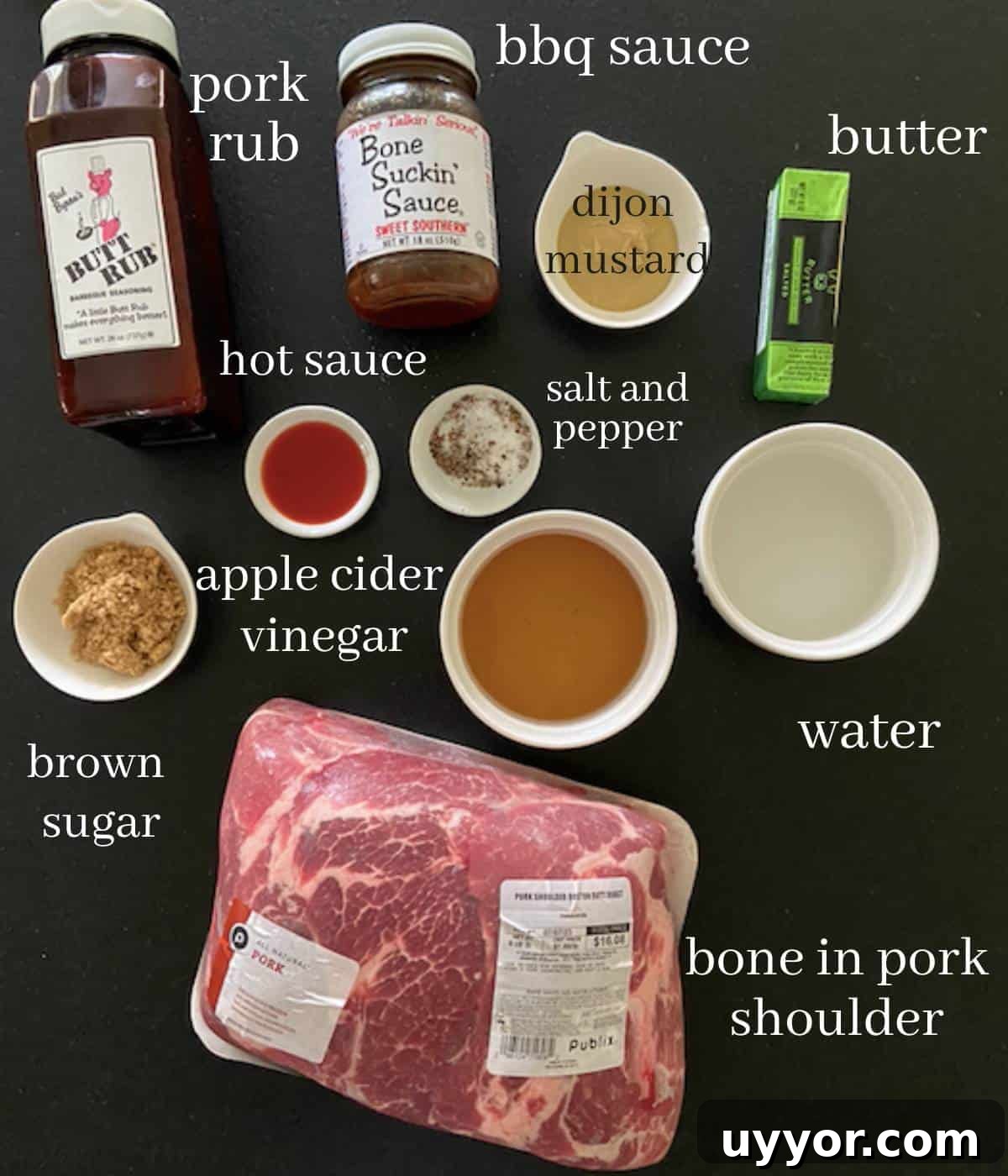
Bone-in pork shoulder (Boston butt) with fat cap: Bone-in shoulders often yield more flavor and retain moisture. Keep the fat cap intact and score it in a shallow grid to render and baste the meat during smoking.
Dijon mustard and pork rub: Dijon acts as a binder for the rub while adding a subtle tang. Apply a thin layer of mustard, then coat liberally with your favorite pork rub. The mustard helps form a great bark.
Spritz (apple cider vinegar, water, hot sauce): A spritz applied periodically during smoking helps break down connective tissue and keeps the surface moist for better smoke absorption.
Brown sugar, butter, and barbecue sauce: Mixed toward the end of cooking to deepen flavor and finish the bark before final resting and pulling.
See the recipe card below for full ingredient quantities and details.
Substitutions and Variations:
Yellow mustard can replace Dijon if preferred. Use any pork rub you like—common blends include garlic and onion powder, paprika, chili powder, salt, and pepper. Because brown sugar is added at the end, you can omit it from the rub if you prefer a less sweet crust.
For a sweeter profile, swap the apple cider vinegar in the spritz for apple juice and omit the water. If you need an oven option, a slow-roasted shoulder or boneless pork ribs can be a good alternative.
How Much Pulled Pork Per Person:
A good guideline is about 1/3 pound of cooked pulled pork per adult, so one pound of cooked pork feeds approximately three people. Keep in mind the larger the shoulder, the longer the cook time will be—plan accordingly based on weight and your available time.
Pulled Pork Temperature:
Always cook to internal temperature, not time. Pork butt is done when it reaches an internal temperature between 195–205°F. Many pitmasters prefer pulling the shoulder at about 203°F for optimal tenderness.
Smoker temperature varies by preference. I find 275°F to be a great balance—faster than 225°F but still low enough to develop a tender interior and a robust bark. Expect roughly 1 hour per pound as a ballpark at this temperature, but rely on the thermometer: an 8 lb shoulder can take 8+ hours, while 10–12 lb shoulders may require 10–12 hours or more depending on conditions.
How to Make Smoked Pork Butt:
Step-by-step instructions for smoking a pork shoulder.
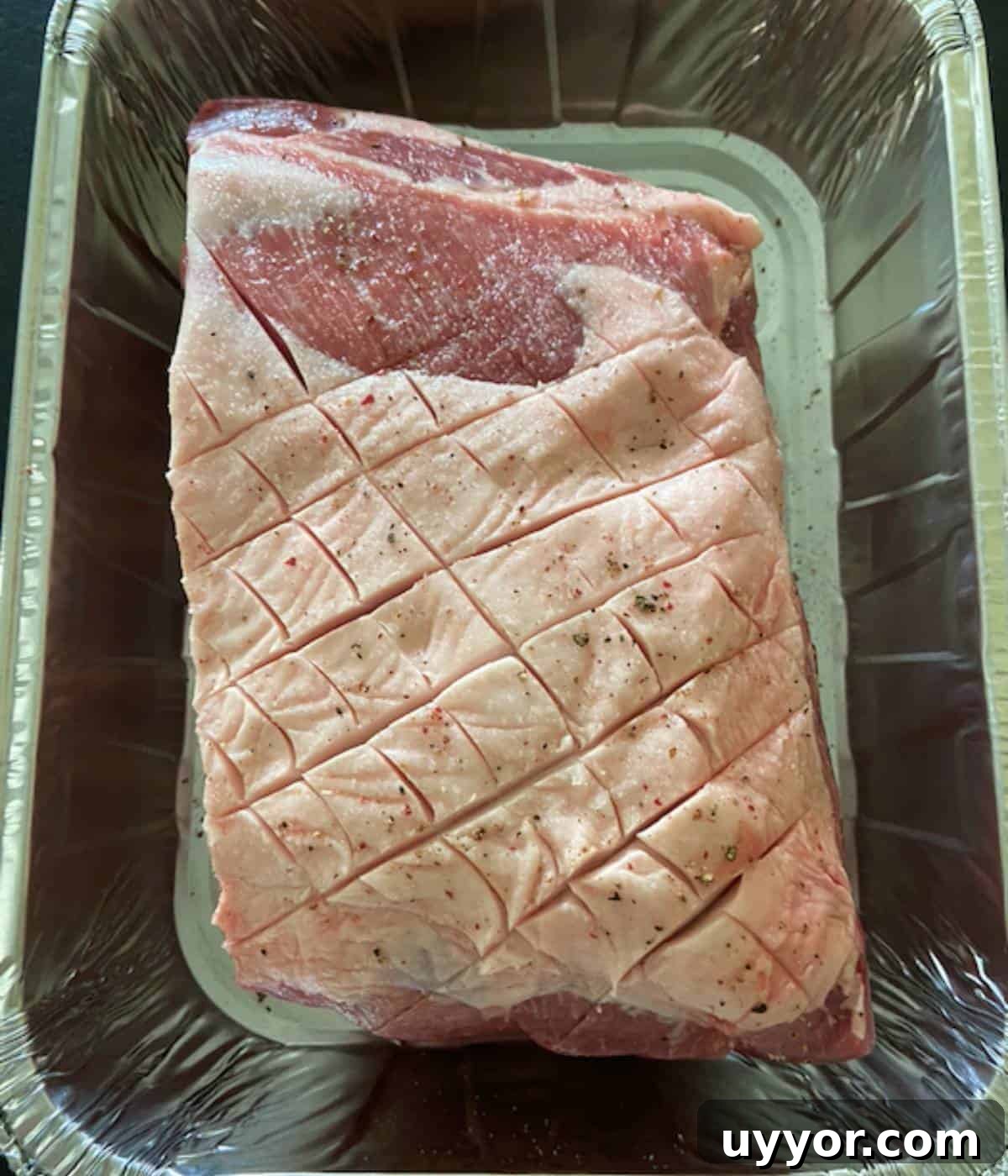
Step 1: Remove the pork shoulder from the fridge and let it sit in a foil tray at room temperature for about one hour. Season all sides with salt and pepper, place fat cap up, and score the fat in a shallow grid without cutting into the meat.
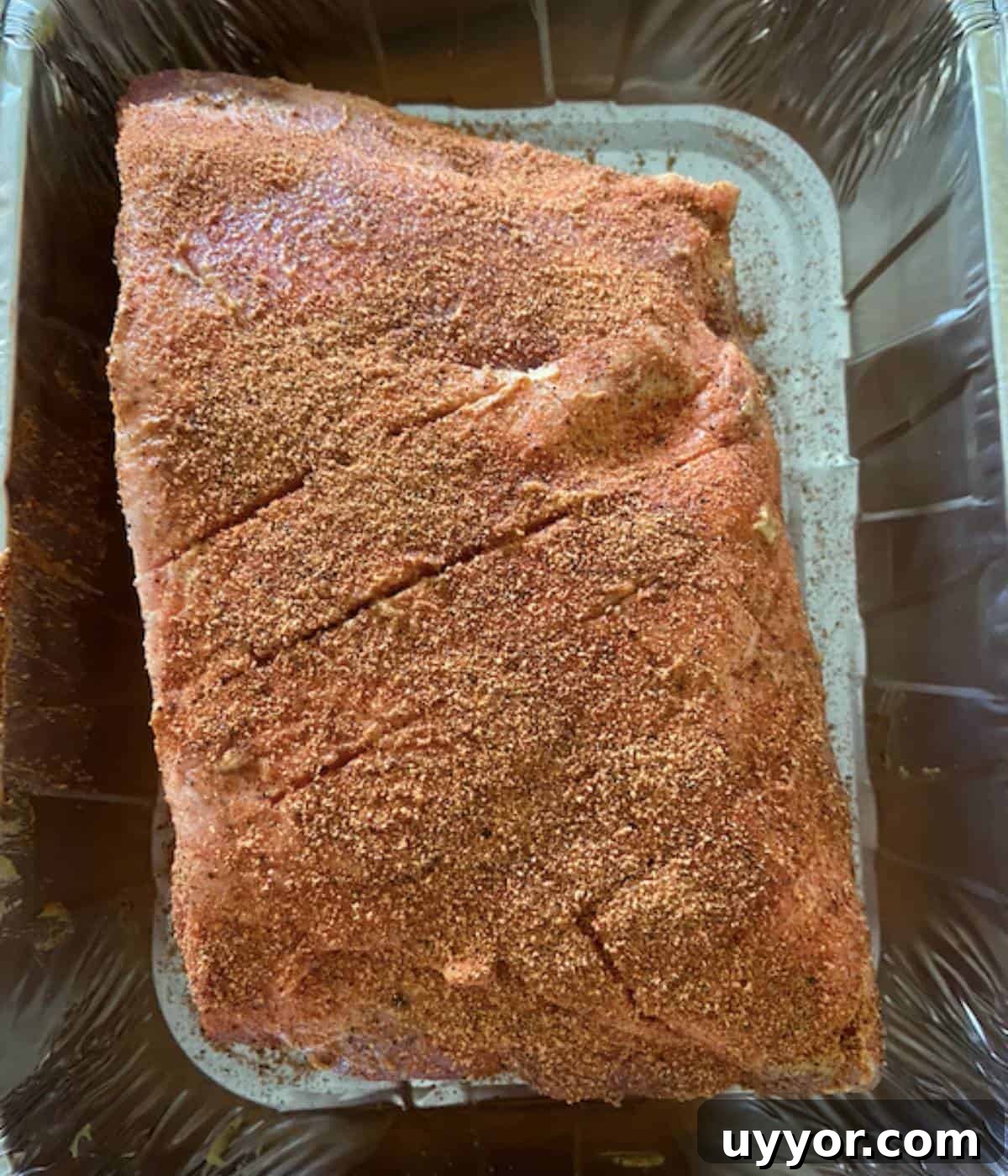
Step 2: Spread Dijon mustard over the entire shoulder, then press the pork rub onto all surfaces. Preheat your pellet grill to 275°F and ensure you have enough pellets loaded for the cook.

Step 3: Mix the spritz: 3/4 cup apple cider vinegar, 1/2 cup water, and 2 teaspoons hot sauce. Pour into a spray bottle and shake well.
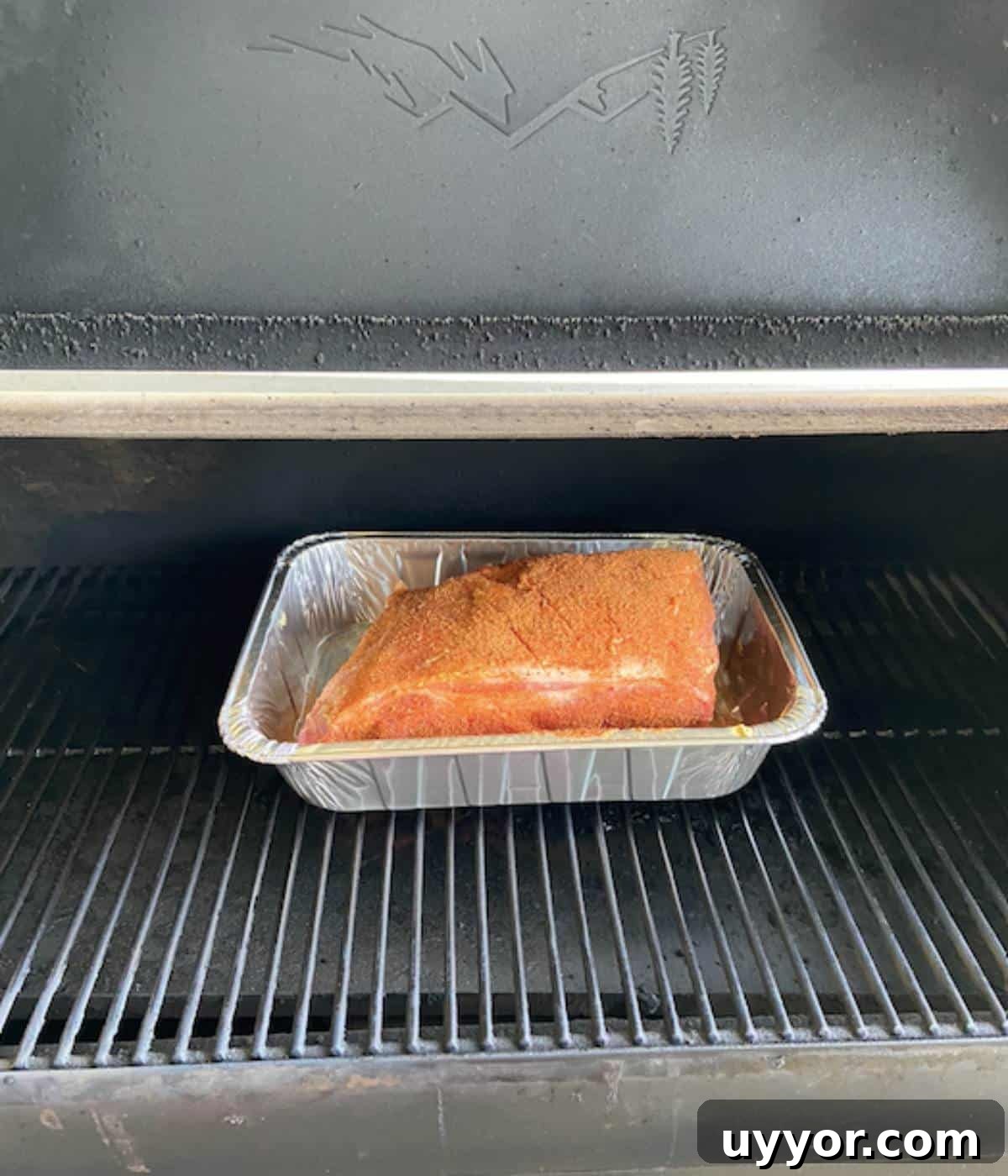
Step 4: Place the tray with the pork shoulder fat cap up in the center of the 275°F smoker. Close the lid and smoke for 2 hours to set the bark and begin rendering fat.
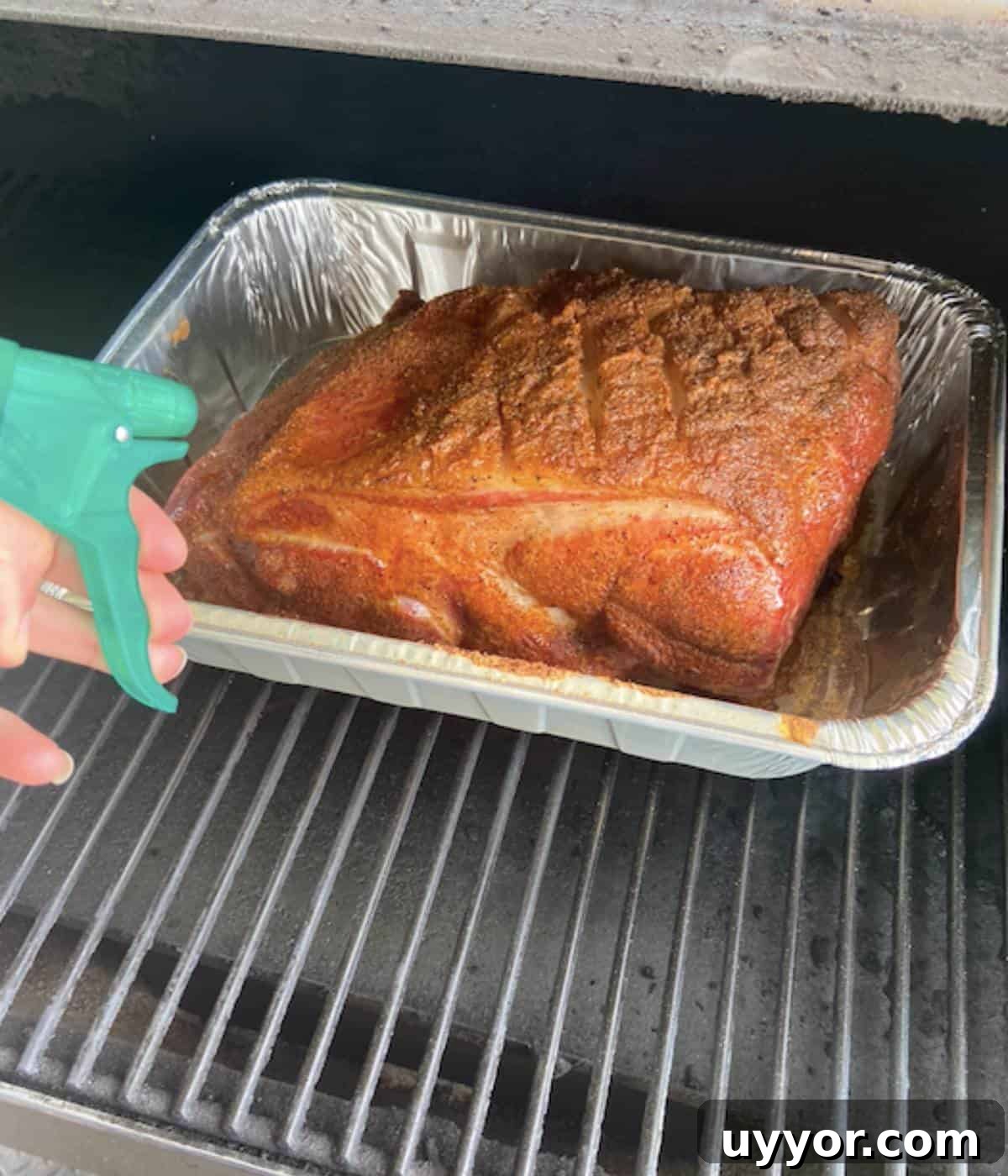
Step 5: Spritz the shoulder and check internal temperature every hour. Continue spraying and monitoring until the internal temperature reaches 165–175°F.
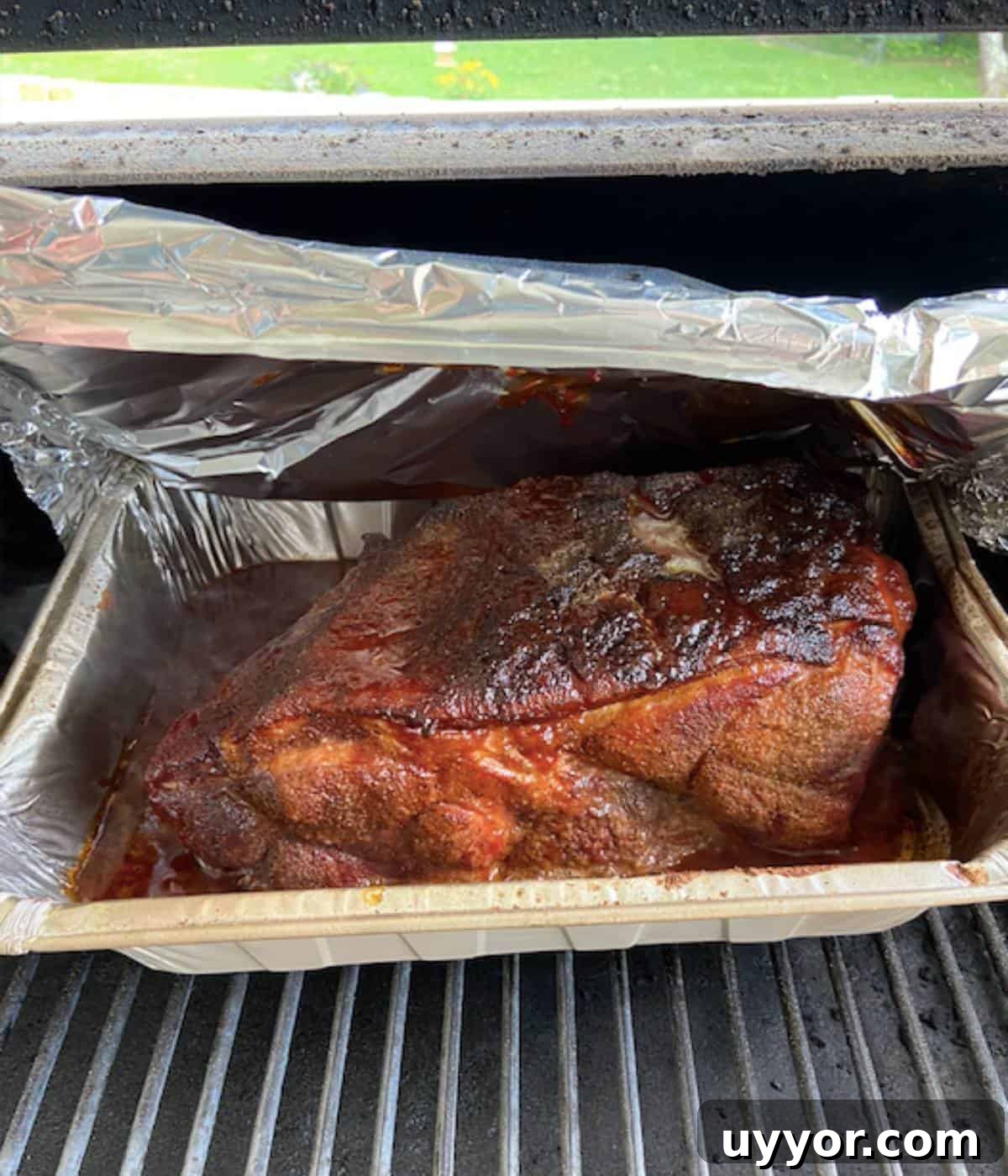
Step 6: Melt butter on low heat, then brush the shoulder with barbecue sauce and sprinkle with brown sugar and the melted butter. Tent tightly with foil and return to the smoker until the internal temperature reaches about 203°F.
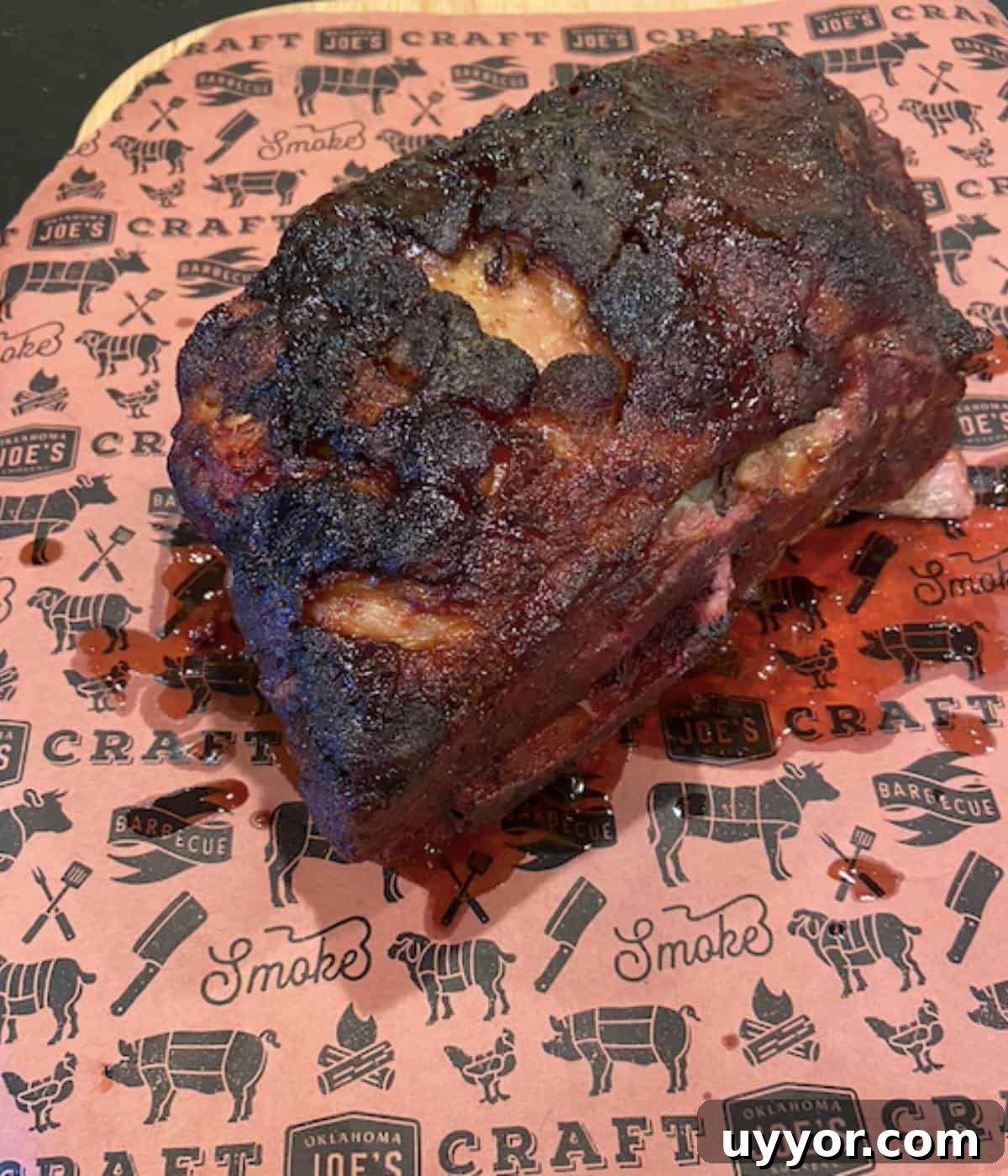
Step 7: Remove the pork and let it rest, tented, for one hour. Resting allows juices to redistribute for easier pulling and juicier meat.
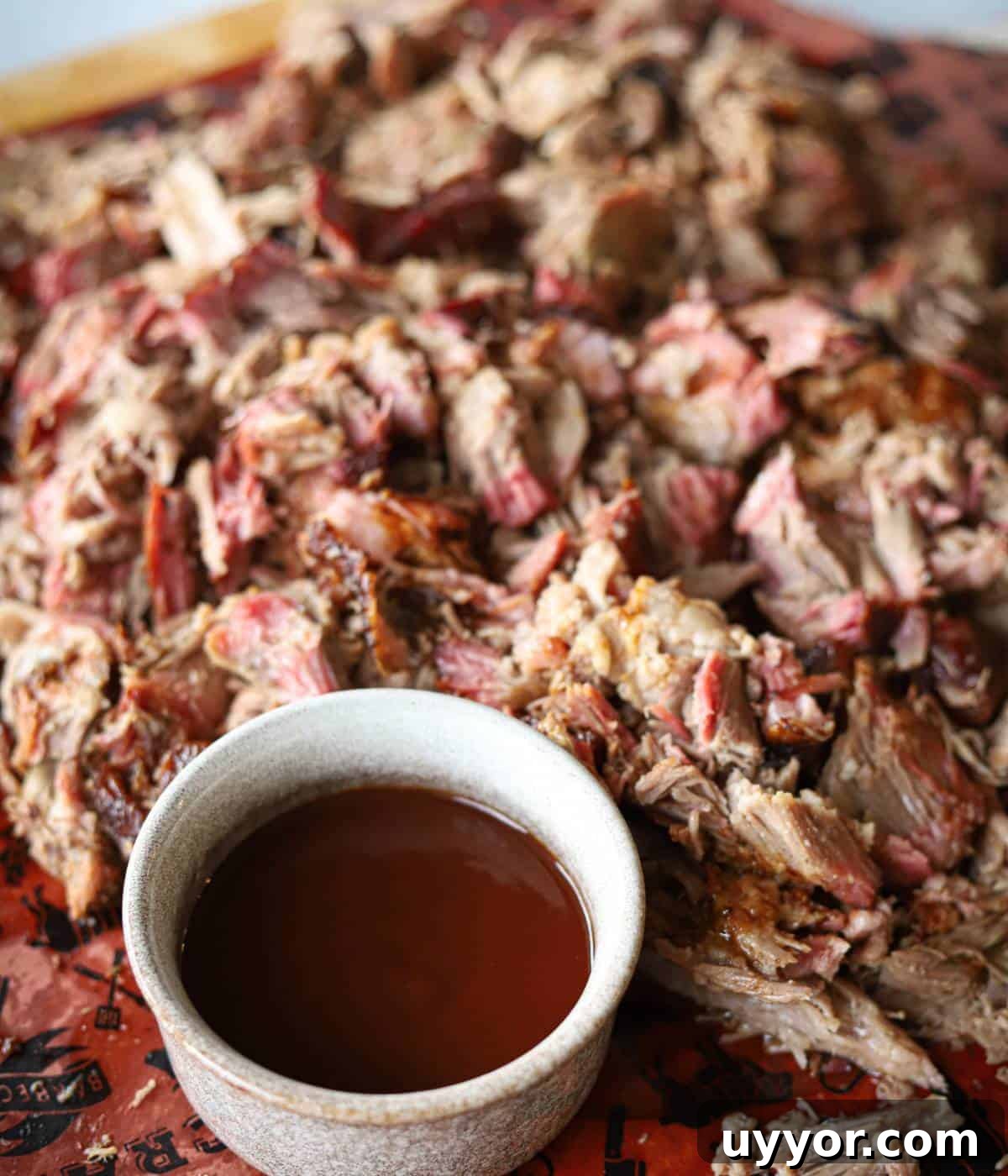
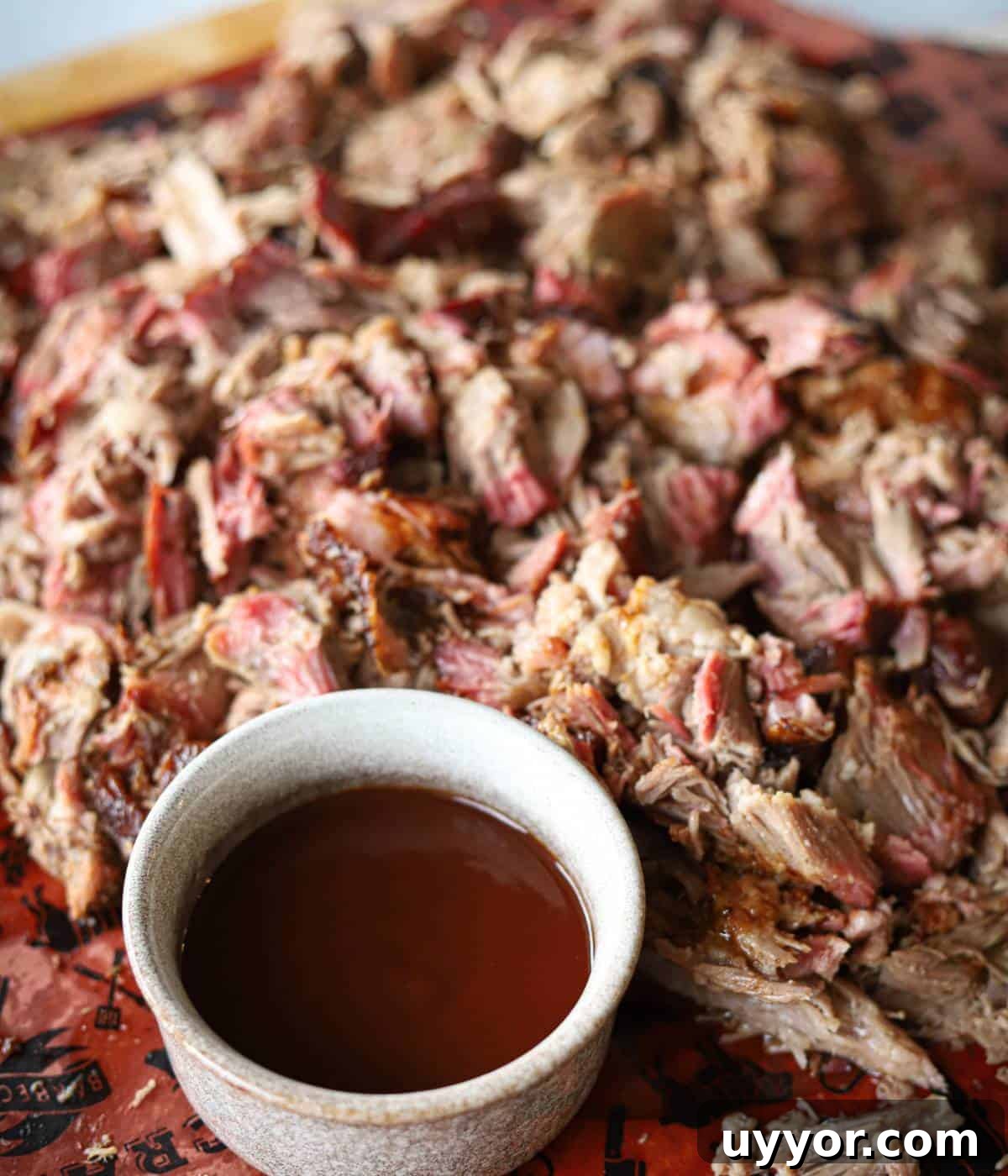
Step 8: Remove the bone with your hands, then pull the meat apart into shreds. Return the pulled pork to the tray with its juices for serving.
Expert Tips:
- Bring the pork to room temperature for an hour before smoking to promote even cooking.
- Top off pellets before starting to avoid running out mid-cook.
- Use a generous layer of Dijon—this helps the rub form a strong bark.
- Always rely on internal temperature rather than estimated time. Insert the thermometer into the thickest part of the shoulder.
- Open the smoker quickly when checking temperature and spritzing to minimize heat loss.
- Be patient: allow the shoulder to rest for at least an hour before pulling for the best texture and juiciness.
Recipe FAQs:
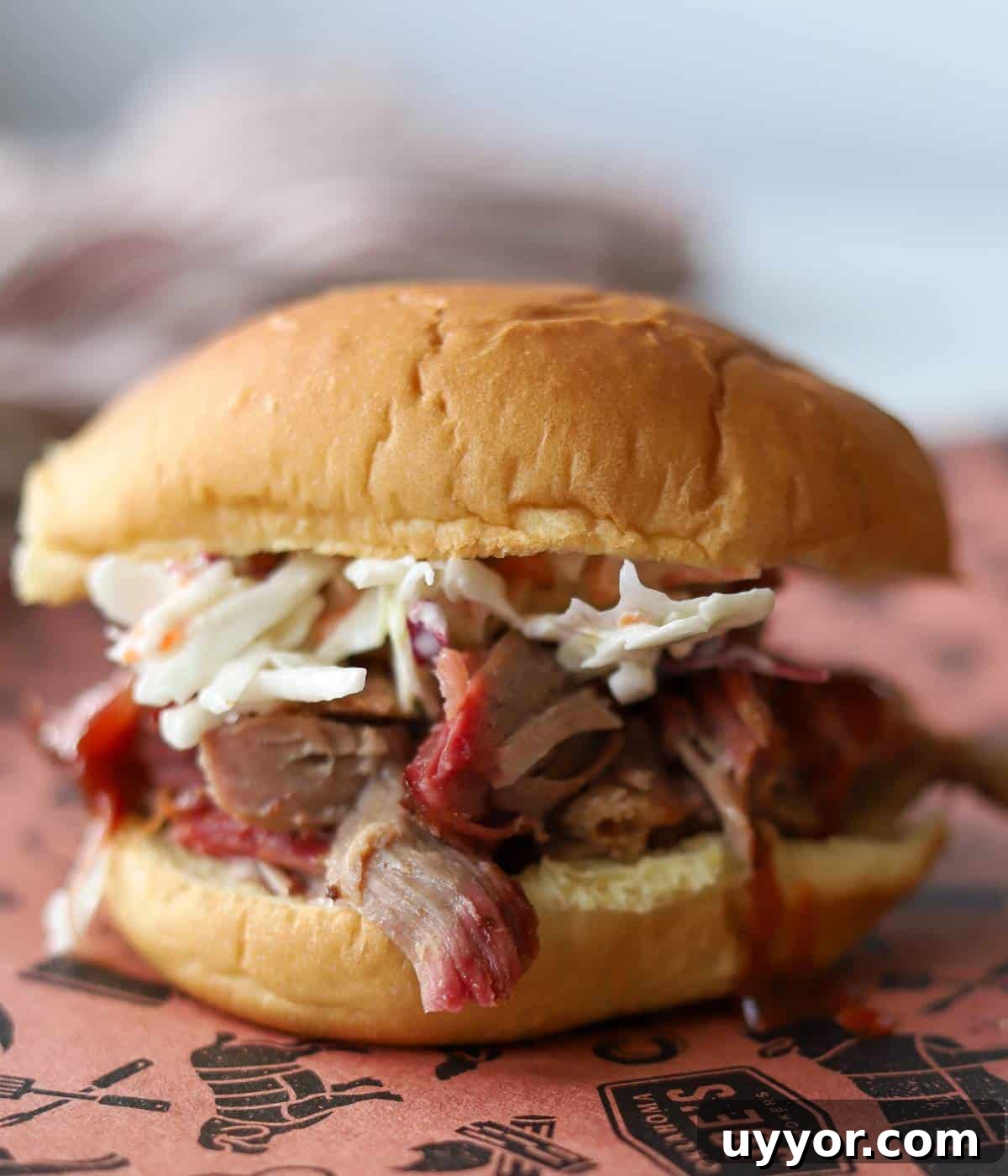
Use a soft bun such as brioche or a hamburger bun, top with pulled pork, drizzle with your favorite barbecue sauce (a vinegar-based sauce is great for tang), and add pulled pork coleslaw for crunch and creaminess.
Pull the pork while it is still warm after resting. Cold pork is harder to shred; pulling while warm yields tender, shred-ready meat.
Store leftovers in an airtight container in the refrigerator for up to three days. Reheat gently to preserve moisture.
Leftover pulled pork is versatile—use it for sandwiches, tacos, quesadillas, mac and cheese toppings, or stuffed into egg rolls for a creative twist.
More Main Course Recipes You Will Love:
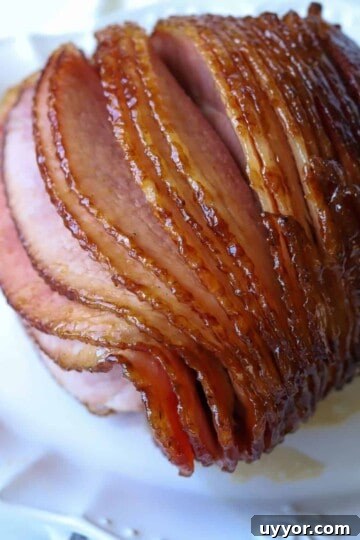
 Traeger Spiral Ham (Double Smoked)
-
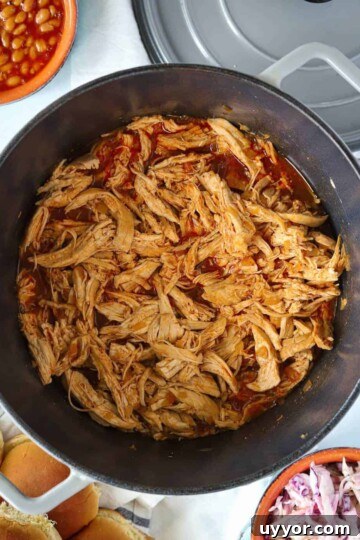
Dutch Oven BBQ Pulled Chicken
-
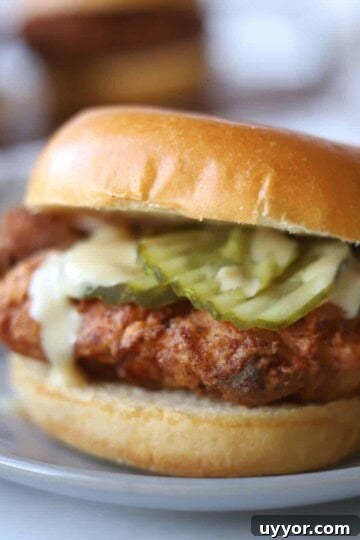
Crispy Chicken Burgers
-
Prosciutto Chicken

If you try this Pulled Pork Recipe, please leave a star rating and share your results in the comments—I love hearing how your dish turned out!
Recipe
Smoked Pork Butt
5 from 1 review
- Author: Tara Smithson
- Total Time: 8.5 hours
- Yield: 20 servings
Description
This Smoked Pork Butt is smoked on a pellet grill to produce a tender interior, a flavorful bark, and a classic smoke ring—perfect for pulled pork sandwiches and barbecue plates.
Ingredients
- 8–10 lb bone-in pork shoulder (Boston butt) with fat cap
- 1 tablespoon salt
- 1 teaspoon black pepper
- 4 tablespoons Dijon mustard
- 4 tablespoons pork butt rub (use your favorite)
- ½ cup packed brown sugar
- 8 tablespoons (1 stick) salted butter
- ½ cup thick barbecue sauce
- Spritz: ¾ cup apple cider vinegar, ½ cup water, 2 teaspoons hot sauce
- A foil tray large enough to fit the pork and a spray bottle
Instructions
- Place the pork shoulder in a foil tray and let it sit at room temperature for one hour. Season with salt and pepper, place fat cap up, and score the fat cap in a shallow grid without cutting into the meat.
- Spread Dijon mustard over all sides, then press the pork rub onto the surface. Preheat your pellet grill to 275°F.
- Mix apple cider vinegar, water, and hot sauce in a spray bottle and shake well.
- Place the tray with the pork in the center of the 275°F smoker. Close the lid and smoke for 2 hours.
- Spritz and check internal temperature every hour until the pork reaches 165–175°F.
- Melt butter, brush the pork with barbecue sauce, then sprinkle with brown sugar and drizzle melted butter. Cover tightly with foil and continue smoking until the internal temperature reaches about 203°F.
- Remove the pork and let it rest, tented, for one hour.
- Remove the bone, pull the meat into shreds, and return the pulled pork to the tray with its juices for serving.
Equipment
- Pellet grill
- Spray bottle
- Foil tray
- Instant-read thermometer
Notes
- Bring the pork to room temperature before smoking for even cooking.
- Ensure adequate pellets for the duration of the cook.
- Use a thermometer to check internal temperature rather than relying on cook time.
- Open the smoker quickly when checking and spritzing to retain heat.
- Allow the pork to rest before pulling for best texture and juiciness.
- Prep Time: 1.5 hours
- Cook Time: 7 hours
- Category: dinner
- Method: pellet grill
- Cuisine: Southern