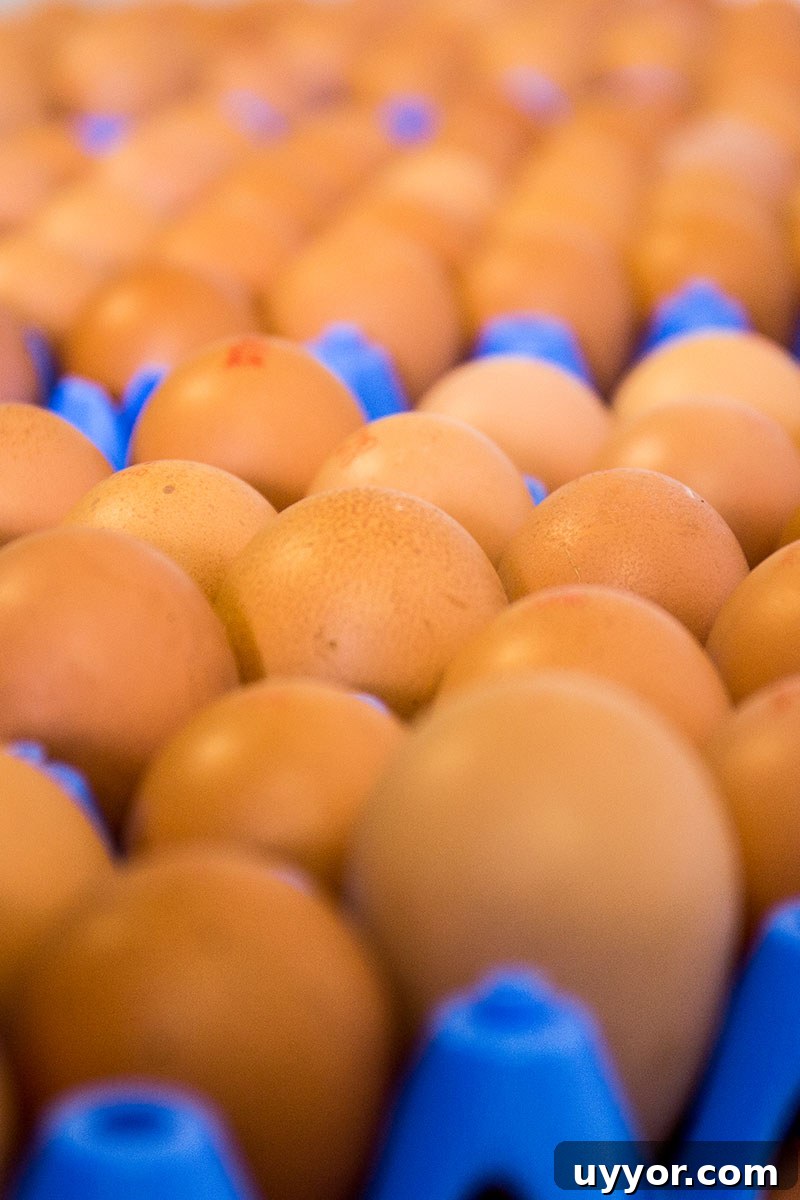
Eggs are a simple food with a rich story. We eat billions of them each year and everyone seems to have a preferred way to cook them. Over the last few months, while researching the UK egg sector for my Food Policy MSc, I have learned a great deal about how the market works and what shapes production and consumption.
To mark the submission of my final coursework, here are 21 concise and interesting findings from that research. If you’d like further detail or sources, I can share references on request.
21 Things You Didn’t Know About Eggs
-
The UK consumed nearly 12 billion eggs in 2014, and consumption has been rising.
-
That equates to roughly 185 eggs per person per year.
-
In the 1960s average consumption was about 250 eggs per person per year; it fell through the 1970s and 1980s before recovering later.
-
About 85% of the eggs consumed in the UK are produced domestically.
-
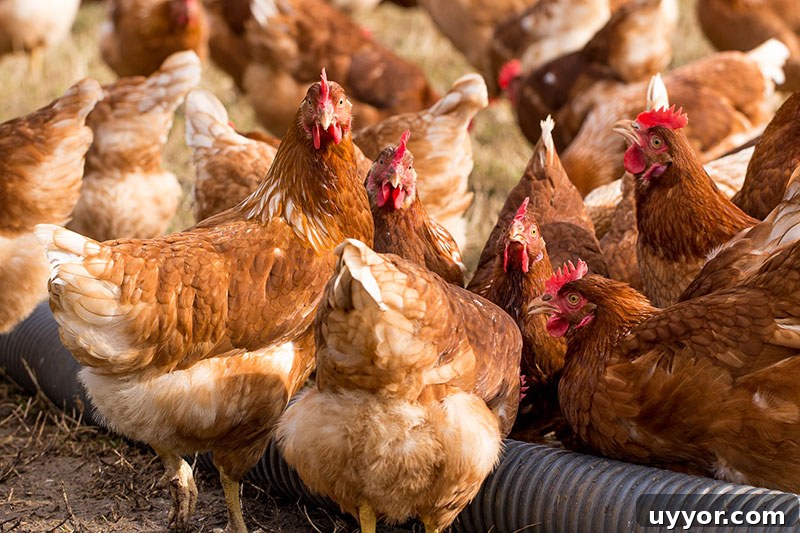
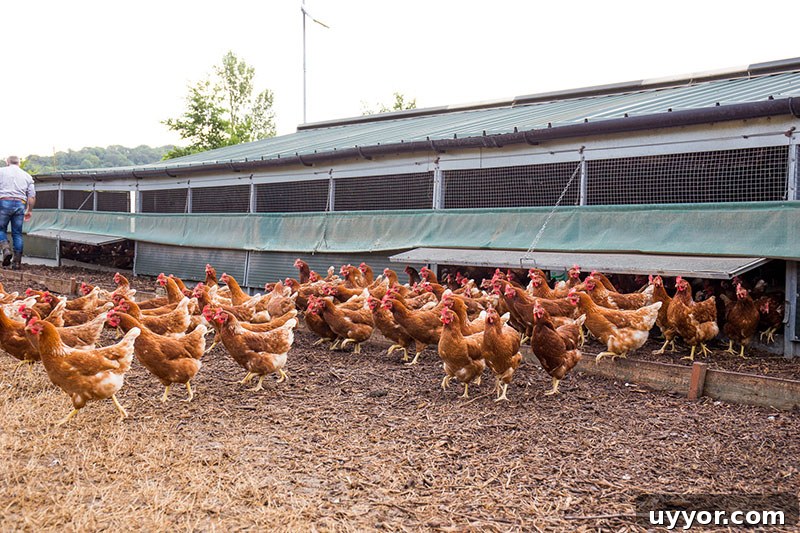
Free-range production has grown substantially: around half of UK eggs are now free-range, compared with only 5–7% about 25 years ago.
-
Conventional battery cages were banned across the EU in 2012. Enriched cages replaced them, but major retailers plan to phase those out by 2025.
-
In contrast, much of US egg production still relies on cage systems, with only a few states having enacted bans.
-
Preferences differ by country: Americans tend to favour white eggs while people in the UK often prefer brown — the difference is purely cosmetic.
-
Globally, most commercial laying hens come from breeding lines owned by just three major genetics companies, concentrating the supply of laying stock.
-
Hens typically start laying around 18 weeks of age, reach peak productivity between roughly 25 and 39 weeks, and productivity often declines around 72 weeks — which is frequently when they are culled.
-
Welfare experts often stress that space per bird is a crucial welfare metric; more space can be more important than whether a bird has outdoor access.
-
In 2013 there were around 35.8 million laying chickens in the UK responsible for egg production.
-
Market concentration has been notable: in 2006 one company, Noble Foods, controlled an estimated 60–70% of the UK egg market before regulatory intervention forced divestment.
-
Eggs are also used in manufacturing some influenza vaccines; egg-based vaccine production is a long-established method.
-
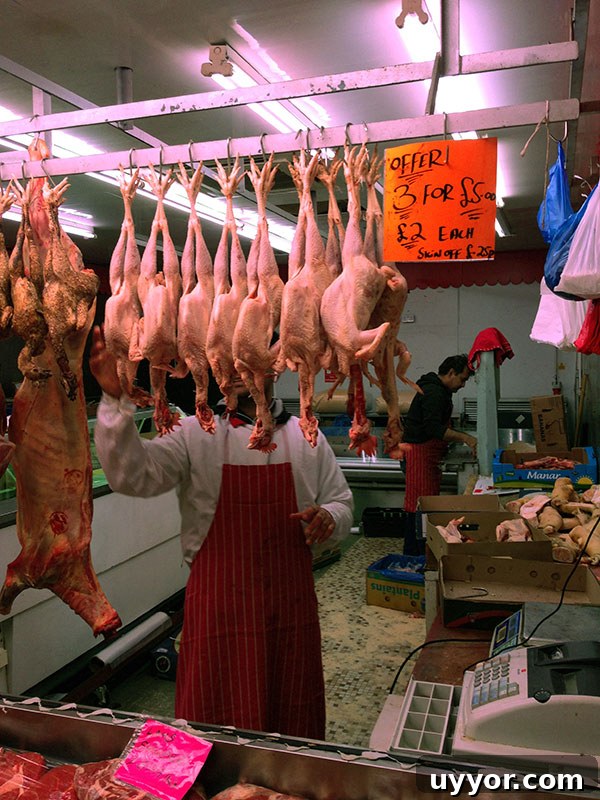
Ex-laying hens at the end of their productive life are called ‘spent hens’ or ‘boiling fowl’. Their meat is firmer and more strongly flavoured and is usually cheaper than standard poultry meat, though it requires longer cooking.
-
Archaeological evidence suggests the Romans found British people already keeping hens for eggs.
-
Historically, the live bird was often more valuable than its eggs, which created cultural reluctance in some periods to consume eggs.
-
Survey data show a gap between attitudes and behaviour: more people claim to buy higher-welfare eggs than the share of higher-welfare eggs actually sold. This is known as the consumer attitude–behaviour gap.
-
At hatch, chicks are sexed: male chicks are typically culled because they do not lay eggs, while females are reared for egg production. Alternatives are being explored but remain limited in practice.
-
The eggs sold for consumption are unfertilised, so they would never develop into chicks under normal circumstances.
-
As hens age, the eggs they produce tend to increase in size.
*References available upon request.