

You’re saving for a year-end holiday, but you also need to boost your emergency fund, set aside money for car insurance, stock your Christmas fund and maybe start a house deposit. Juggling multiple savings goals can feel overwhelming when cash is limited. The good news: with a simple, systematic approach you can make steady progress on all fronts.
One useful strategy borrows from the debt snowball concept and applies it to savings. Instead of spreading your money thinly and hoping everything gets covered, you prioritise goals, fund them efficiently, and then roll the money from completed goals into the next target. Here’s a clear, practical method you can use.
1. Define your savings goals.
List the things you want to save for: short-term bills, an emergency cushion, large purchases, holidays, or future deposits. Writing goals down or using a tracker makes them tangible and easier to manage.
2. Order goals by priority, due date, or size.
Decide which goals matter most or are due soonest. You can order them by urgency, personal importance, or by smallest-to-largest balance depending on what motivates you. Prioritising helps you allocate limited monthly cash where it will have the most impact.
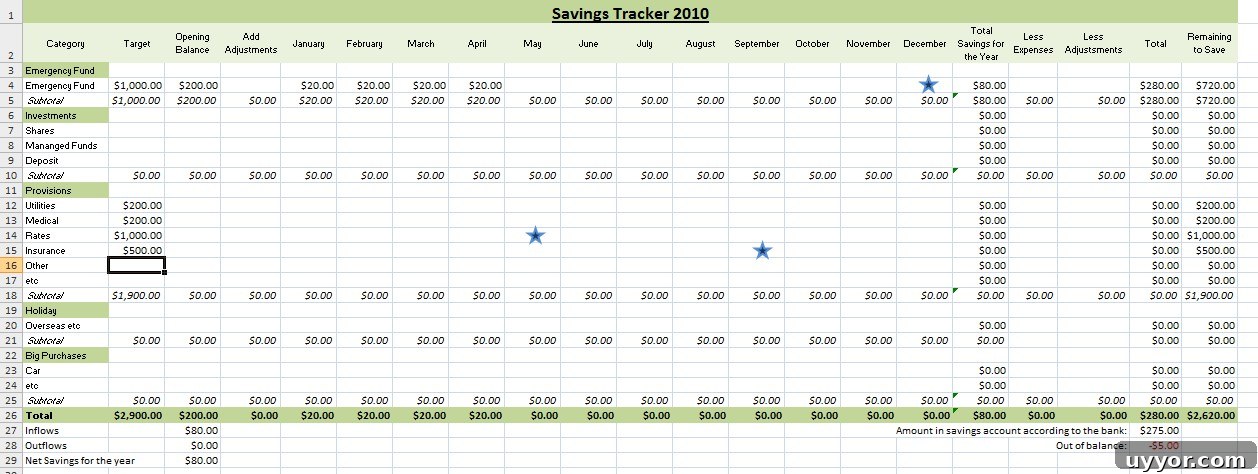
3. Calculate monthly contributions for each goal.
Break each target down into how much you need to save each month to meet the deadline. For example, if a bill of $1,200 is due in six months, you need to save $200 per month. Knowing concrete monthly amounts makes planning realistic.
4. Add extra to your top priority when possible.
Even small, irregular sums—spare change, cashback, or a few dollars from cutting a small recurring expense—can speed progress. This “snowflaking” approach lets you funnel extra bits of cash toward your current priority without large sacrifices.
5. Start the savings snowball.
When you finish your first goal, redirect the monthly amount you were saving on that goal toward the next priority. Continue this rolling process: each completed goal frees up funds to accelerate the next one, creating momentum.
A hypothetical example
| Priority | Goal | Time to save | Amount | Monthly Amount Needed | Actual Monthly Contribution |
| 1 | Emergency Fund | 6 months | $2,000 | $330 | $400 |
| 2 | Washing Machine | 6 months | $1,500 | $250 | $180 |
| 3 | Holiday | 16 months | $6,000 | $375 | $100 |
- With the assumed contributions, the emergency fund reaches its target in five months.
- By that point there will already be $900 saved toward the washing machine.
- In month six, the $400 freed from the emergency fund plus the usual $180 brings $580 to the washing machine, leaving a $20 shortfall. That small gap can be filled by a one-off adjustment, a tiny budget tweak, or by negotiating the purchase.
- At the end of month six there will be $600 toward the holiday. From month seven onward, $680 per month can go to the holiday, allowing the $6,000 target to be reached in about 14 months.
- If additional goals crop up, you can recalculate priorities. For example, putting $540 per month toward the holiday would meet the 16-month deadline while leaving $140 each month for other goals.
Being systematic makes saving predictable and reduces stress. Automating transfers to each goal where possible turns saving into a “set and forget” habit, so you steadily build progress without constant decision-making. With the snowball approach you get momentum: each goal you complete speeds up the next one, helping you meet multiple targets more efficiently.