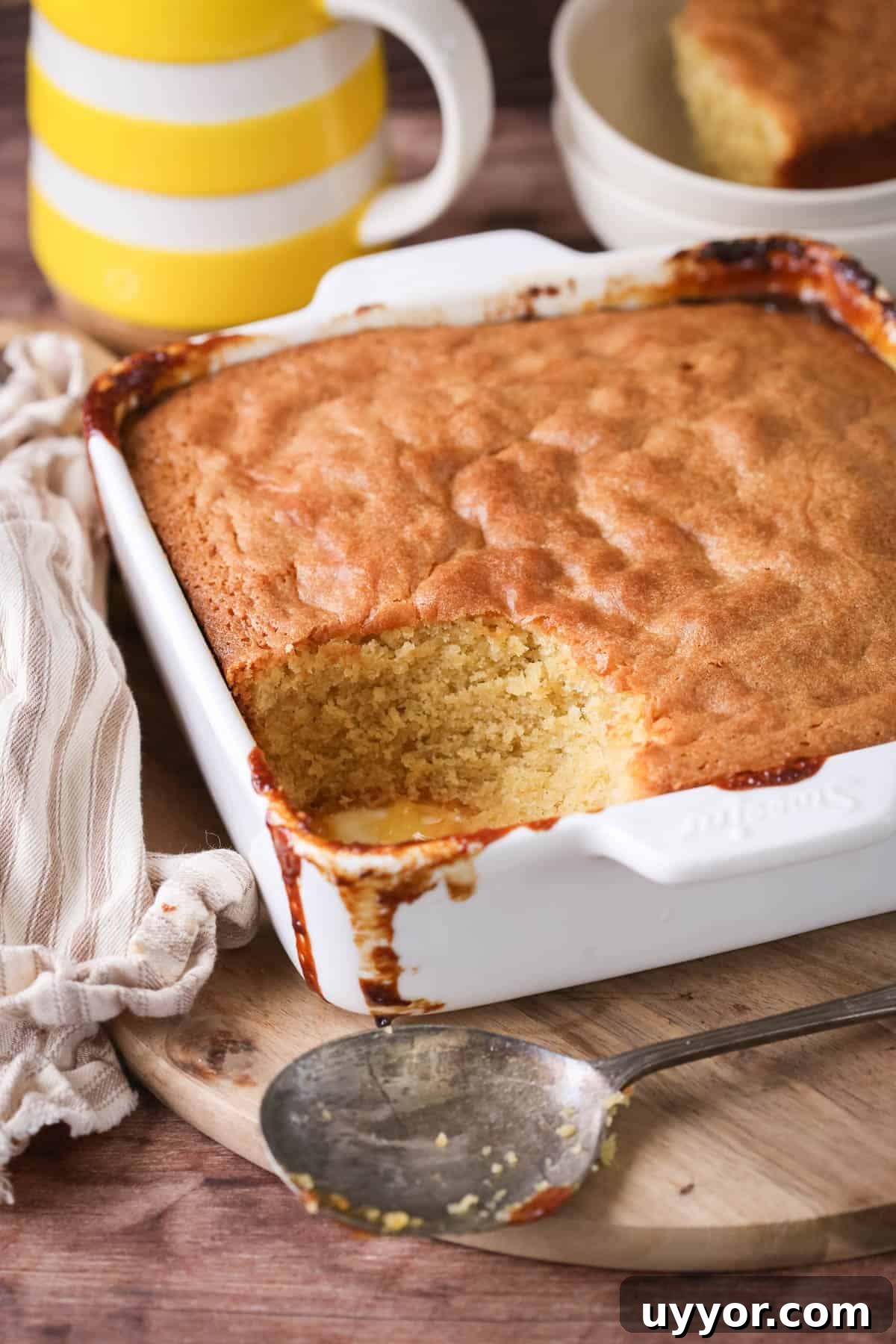
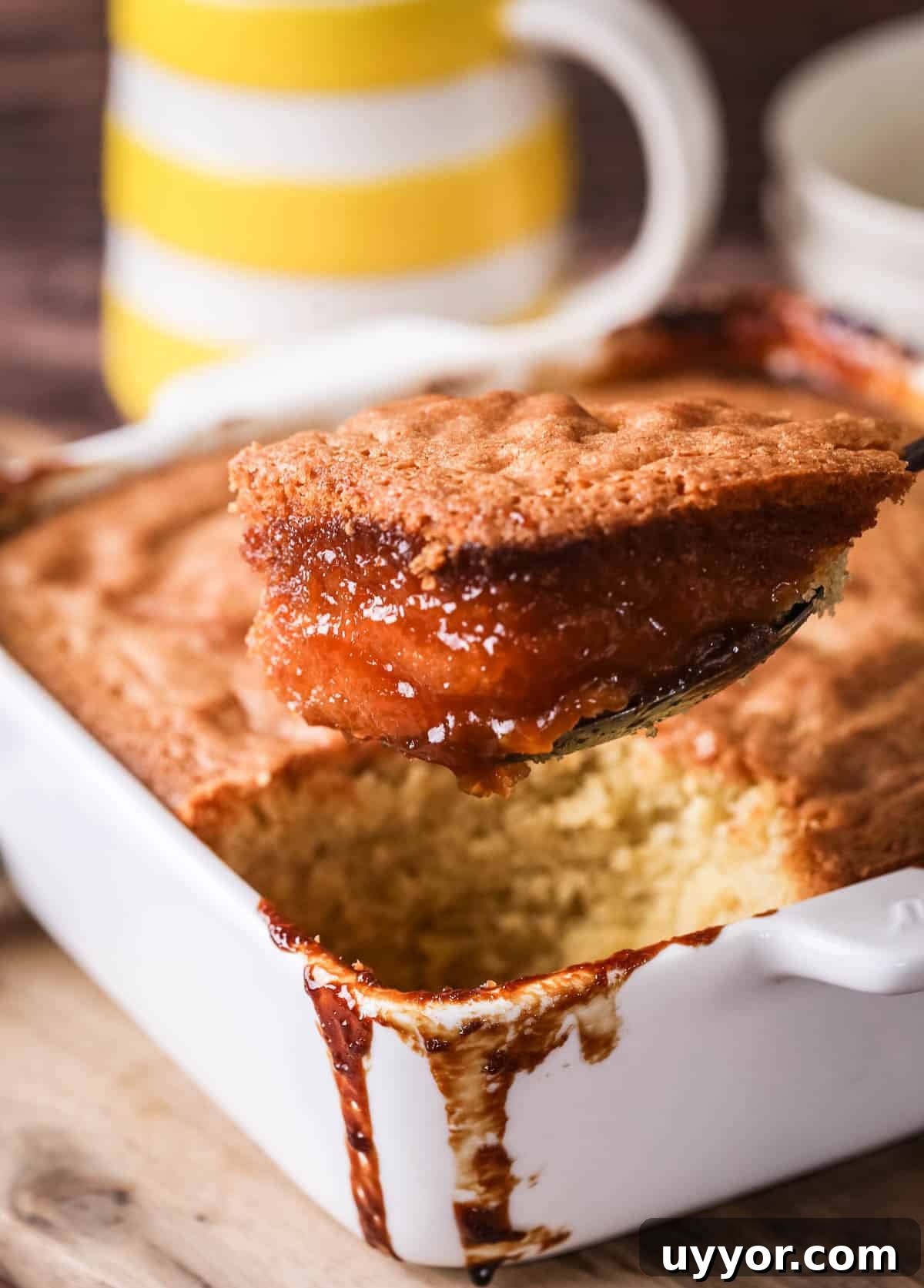
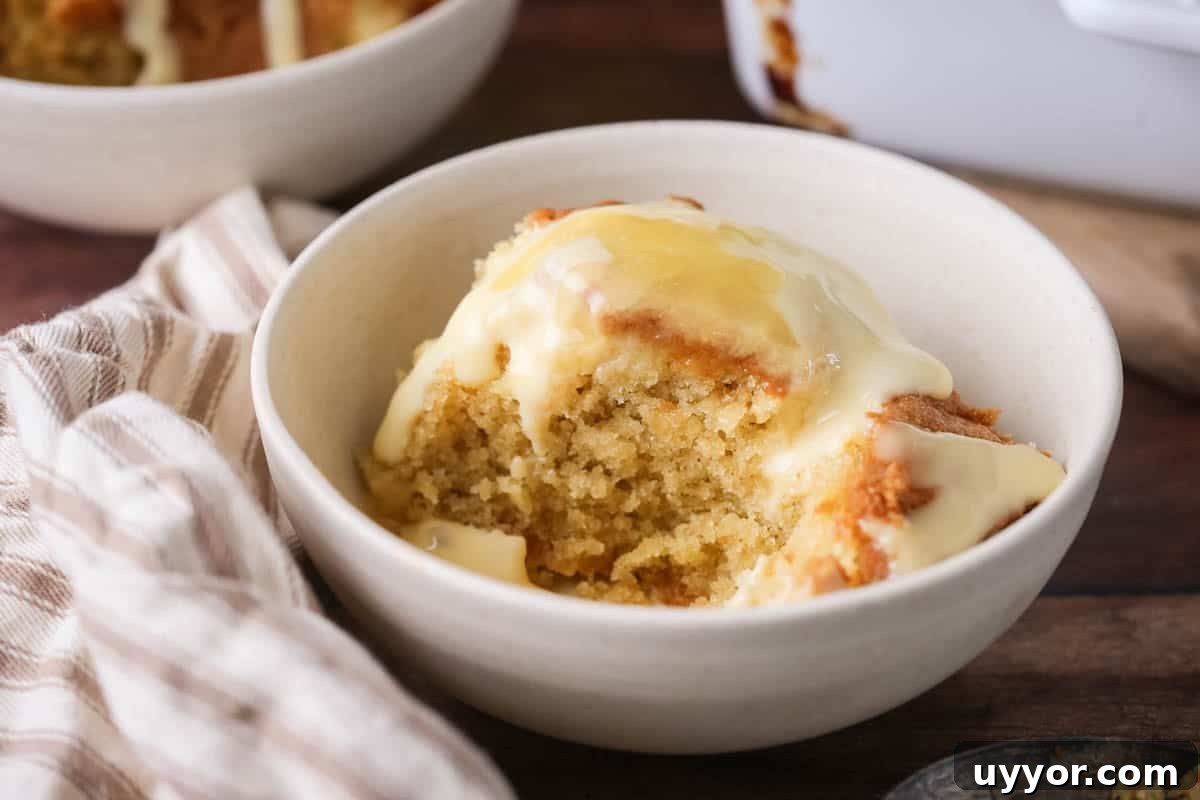
Soft, buttery sponge tops a tangy lemon curd layer that soaks into the deep cake beneath. This easy Gluten-Free Lemon Curd Sponge Pudding is a comforting British classic—delicious served warm with custard, cream or ice cream.
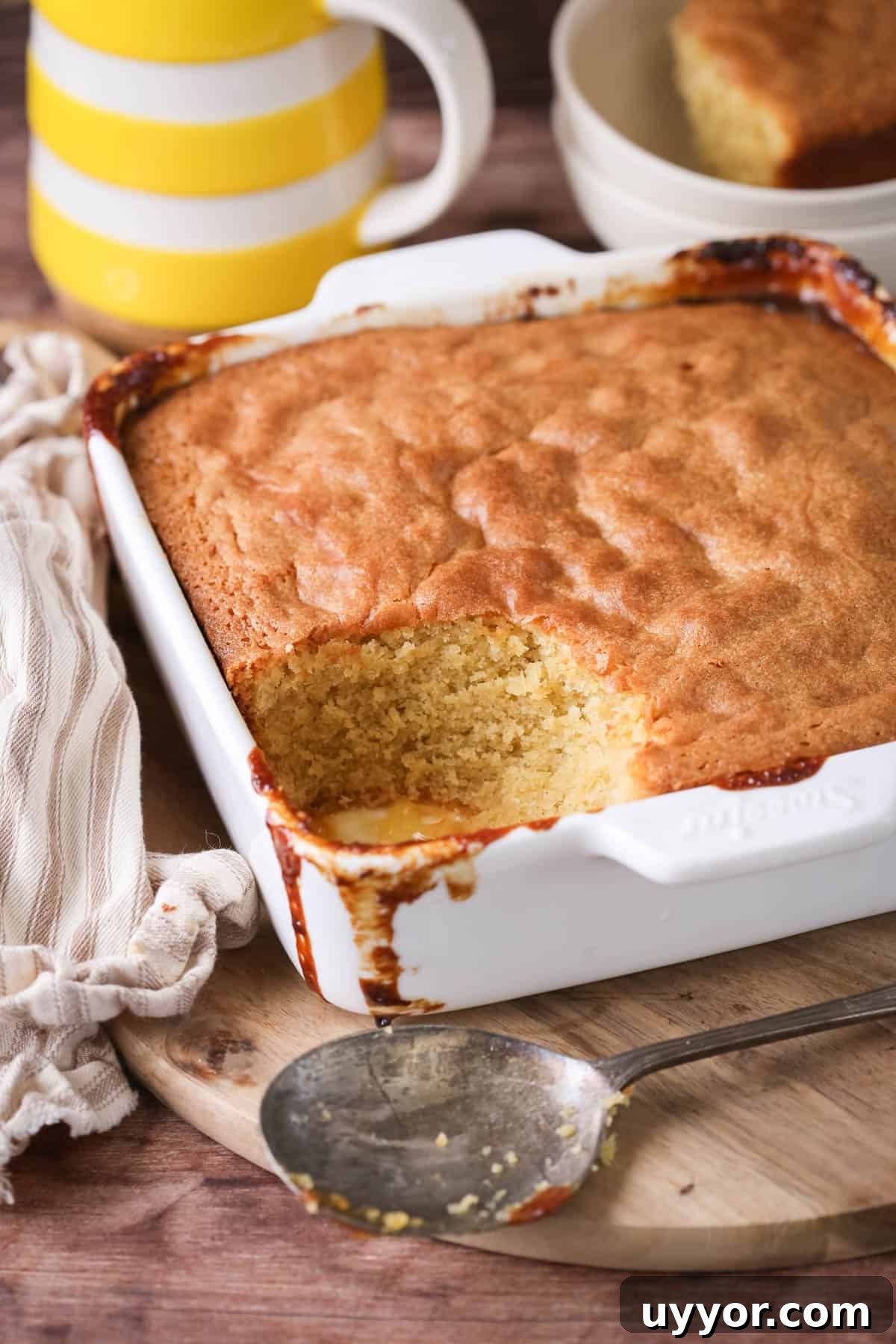
This is an old-school sponge pudding—what many in the UK affectionately call a “nursery pudding.” It’s the kind of dessert baked in a deep tray and served with a generous jug of warm custard.
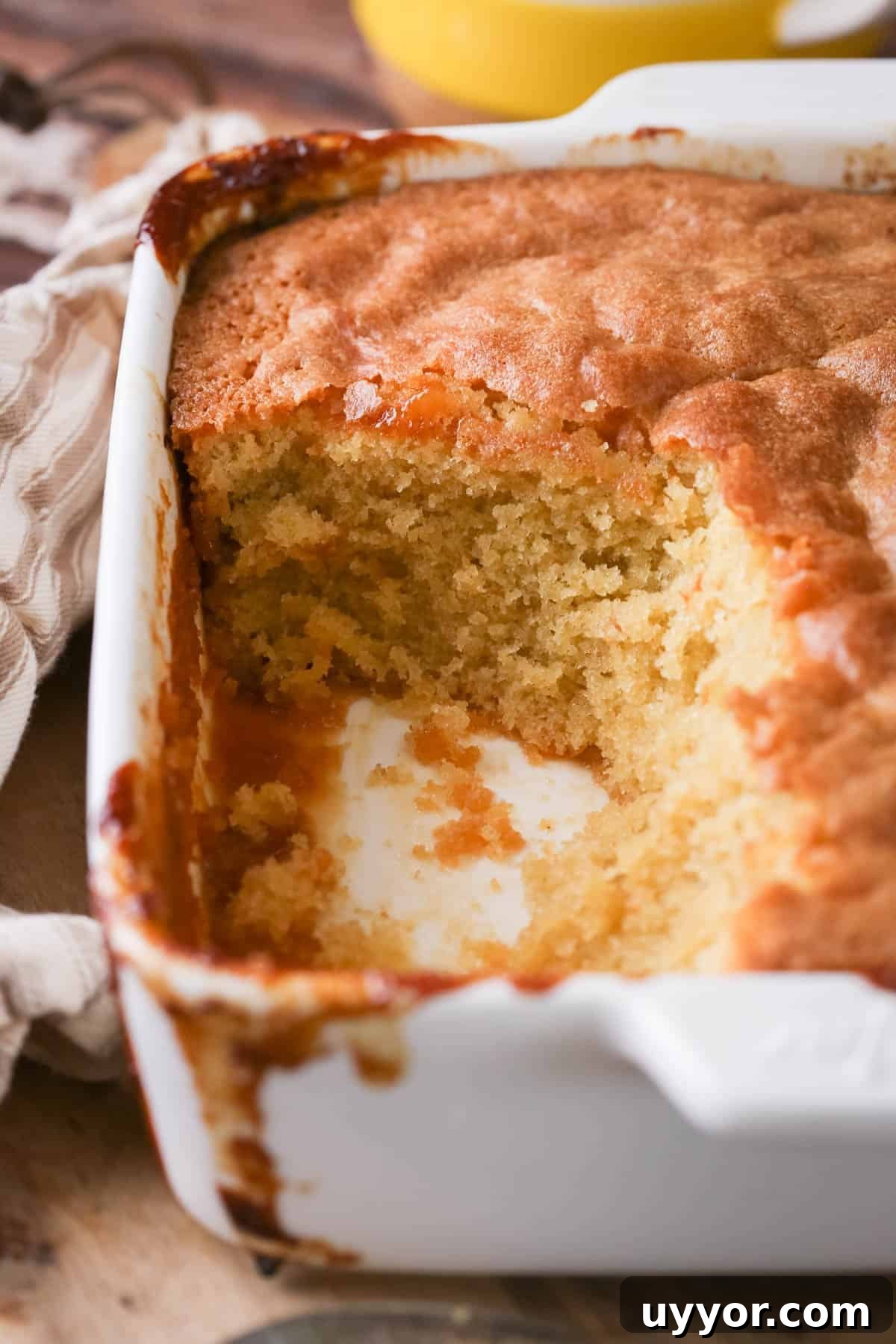
I recently had this pudding for Sunday lunch with my mum and was struck by how simply brilliant it is: a thick, tangy lemon curd spread across the base of the dish, topped with a high, fluffy sponge that soaks up the curd as it bakes. The caramelised edges are especially prized and make for the best slices.
There’s no lemon in the sponge itself; all the citrus comes from the curd on the bottom. As it bakes the curd infuses the sponge, keeping it exceptionally moist and lending sharp, bright flavour to each bite.
If you’ve found some gluten-free bakes underwhelming, this recipe is a reassuringly flavourful exception. The sponge uses a homemade gluten-free flour blend that combines richer wholegrain flours like sorghum and oat with lighter starches, producing a pleasing texture without xanthan gum.
You can use a good-quality store-bought lemon curd or make your own. Homemade curd is wonderfully fresh but a thick shop-bought curd will work perfectly and saves time.
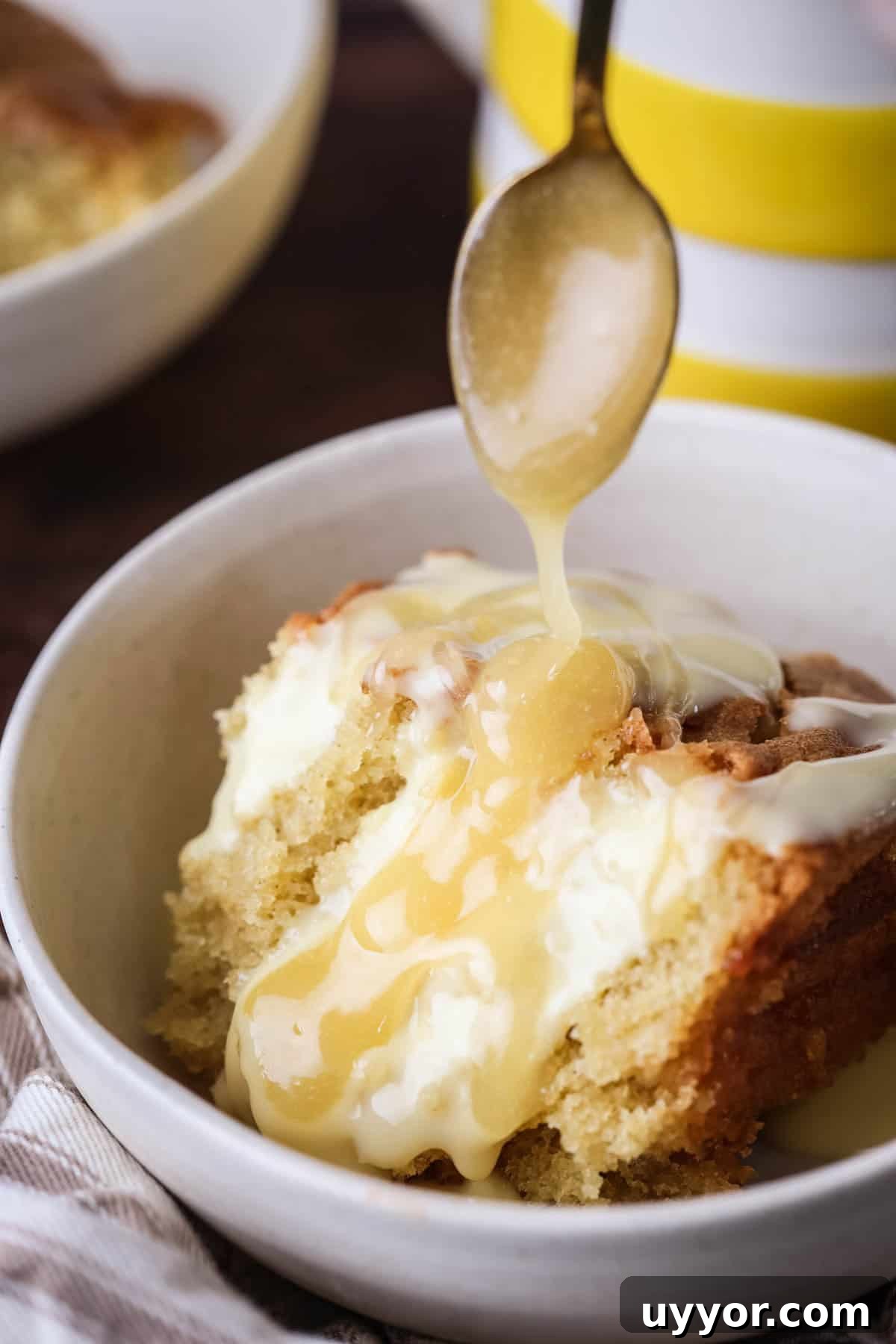
Why You’ll Love This Gluten-Free Lemon Sponge Pudding
- The lemon curd’s tangy lift balances a sweet, tender sponge.
- The curd keeps the sponge moist and adds depth of flavour.
- Uses a tested homemade gluten-free flour blend that needs no xanthan gum.
- Simple sponge method—easy to assemble and bake.
- Wonderful served warm with custard, cream or ice cream; easy to reheat.
- Ideal for serving family and friends after Sunday lunch or relaxed gatherings.
Watch the Video
If you prefer to see the process, watch the video for a clear visual guide to making this Lemon Curd Sponge Pudding.
Ingredients Needed
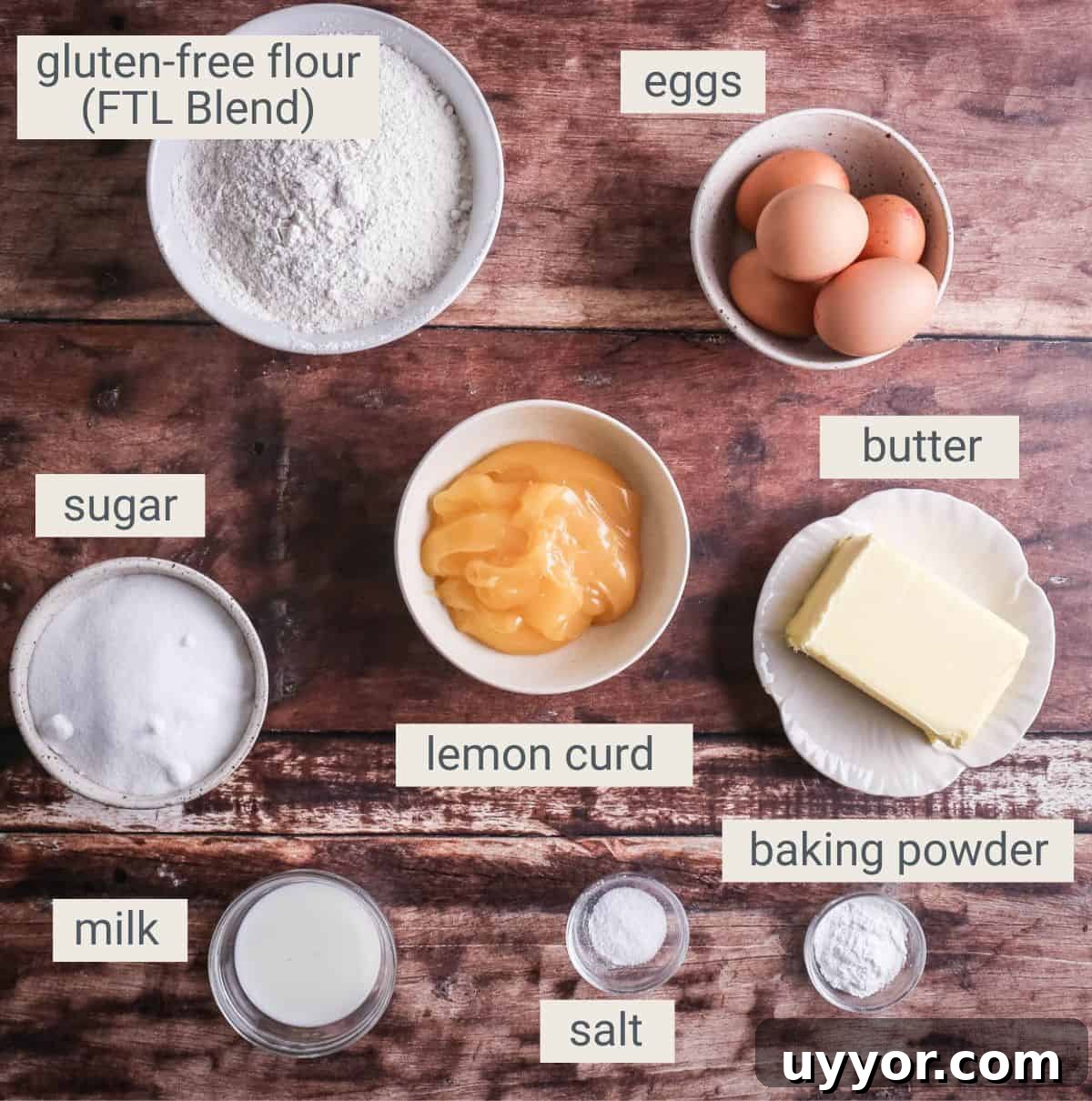
Lemon curd. Use a thick, well-set curd. Good-quality shop-bought curds are convenient and work well; homemade curd is fresher but make sure it isn’t runny.
Gluten-free flour blend (FTL blend). This sponge performs best with a balanced homemade gluten-free all-purpose mix that combines sweet rice (glutinous rice) flour, sorghum flour, oat flour and tapioca starch. The blend provides structure and texture so you don’t need xanthan gum.
Caster sugar. Fine baking sugar is traditional, though regular granulated sugar can be used as a substitute.
Unsalted butter. Use unsalted butter at room temperature so you can control seasoning.
Eggs. The recipe uses medium eggs; weighing eggs is recommended for accuracy if sizes differ where you are.
Baking powder and salt. Baking powder gives lift; use a gluten-free baking powder if needed. Salt brightens the flavours.
Whole milk. A little milk lightens and loosens the batter—gluten-free flours often need the extra moisture.
How To Make Gluten-Free Lemon Curd Sponge Pudding
Full recipe amounts and timings are in the recipe card at the end of this post.
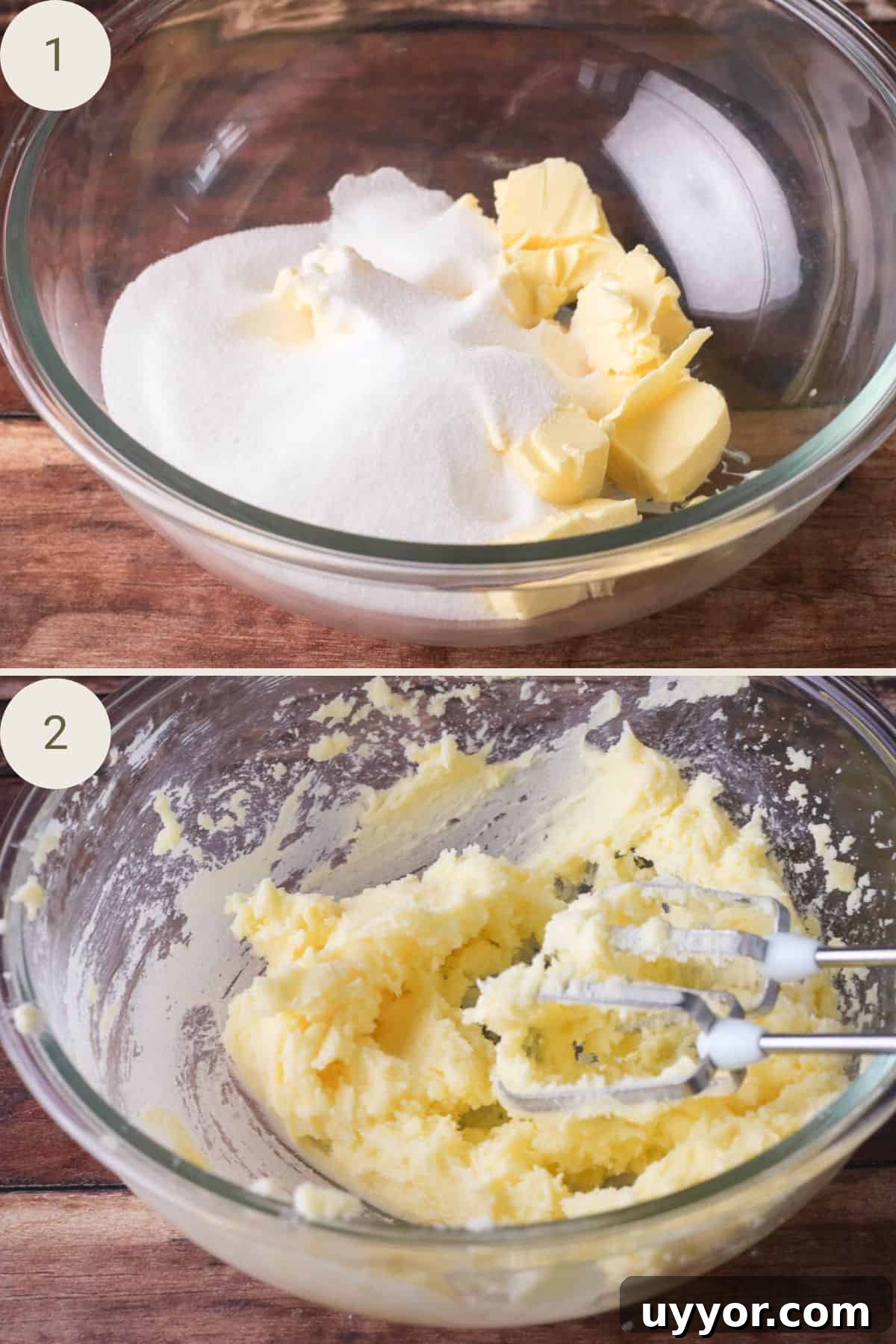
Preheat the oven and cream the room-temperature butter and sugar until pale and fluffy—this takes a few minutes in a stand mixer or with electric beaters.
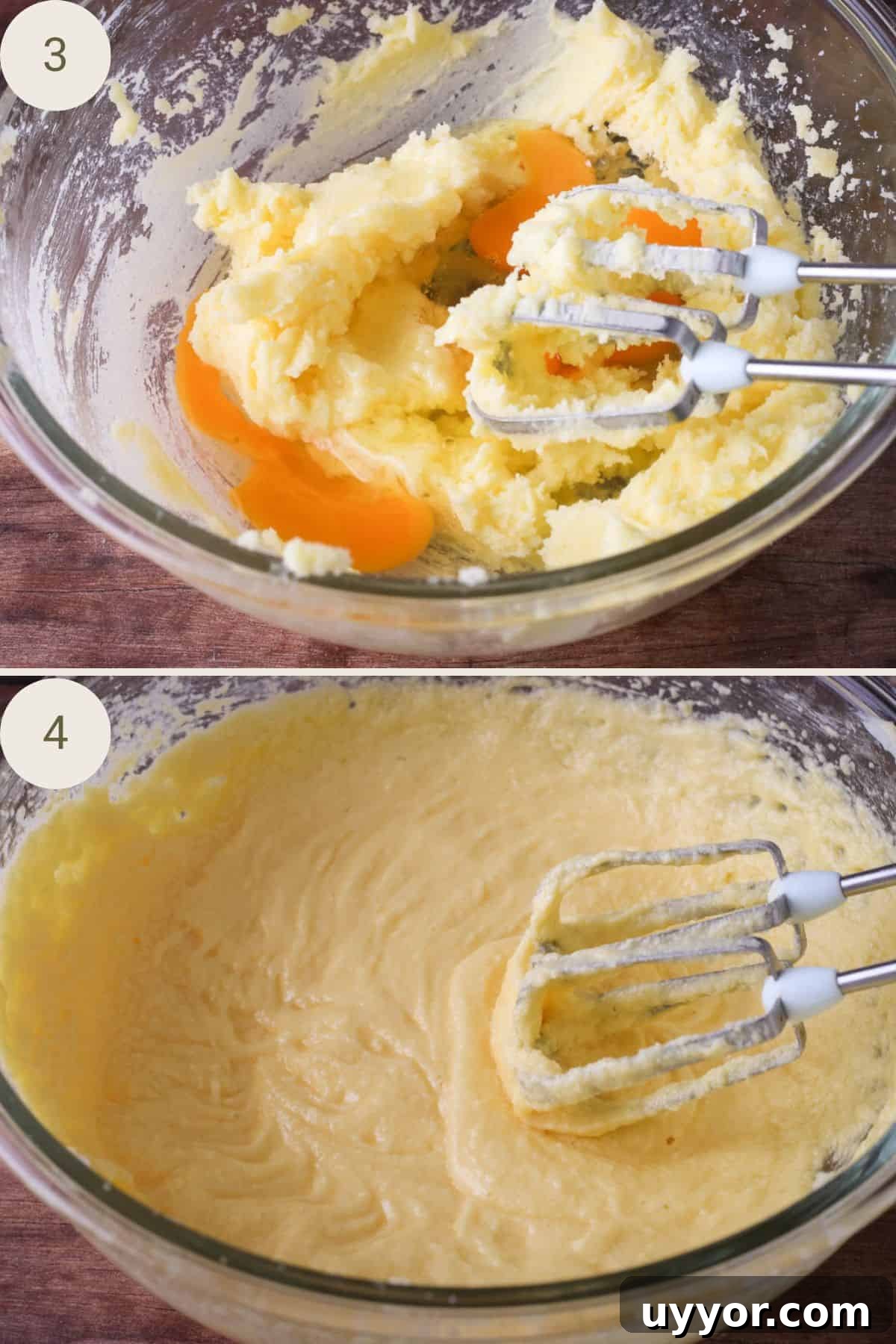
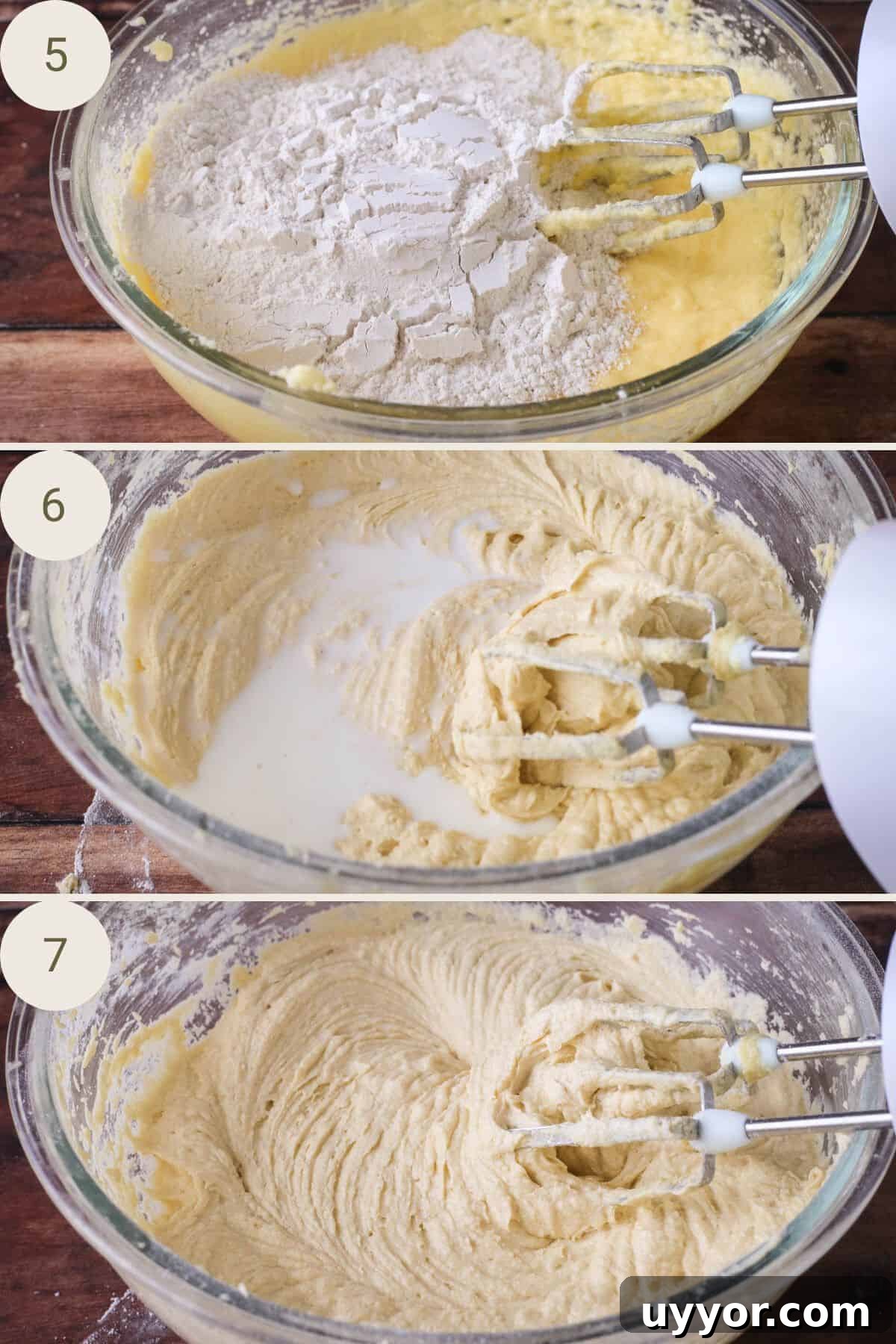
Add the eggs one at a time, mixing well after each addition. Sift together the gluten-free flour blend, baking powder and salt, then fold into the batter. Beat in the milk to loosen and lighten the mixture.
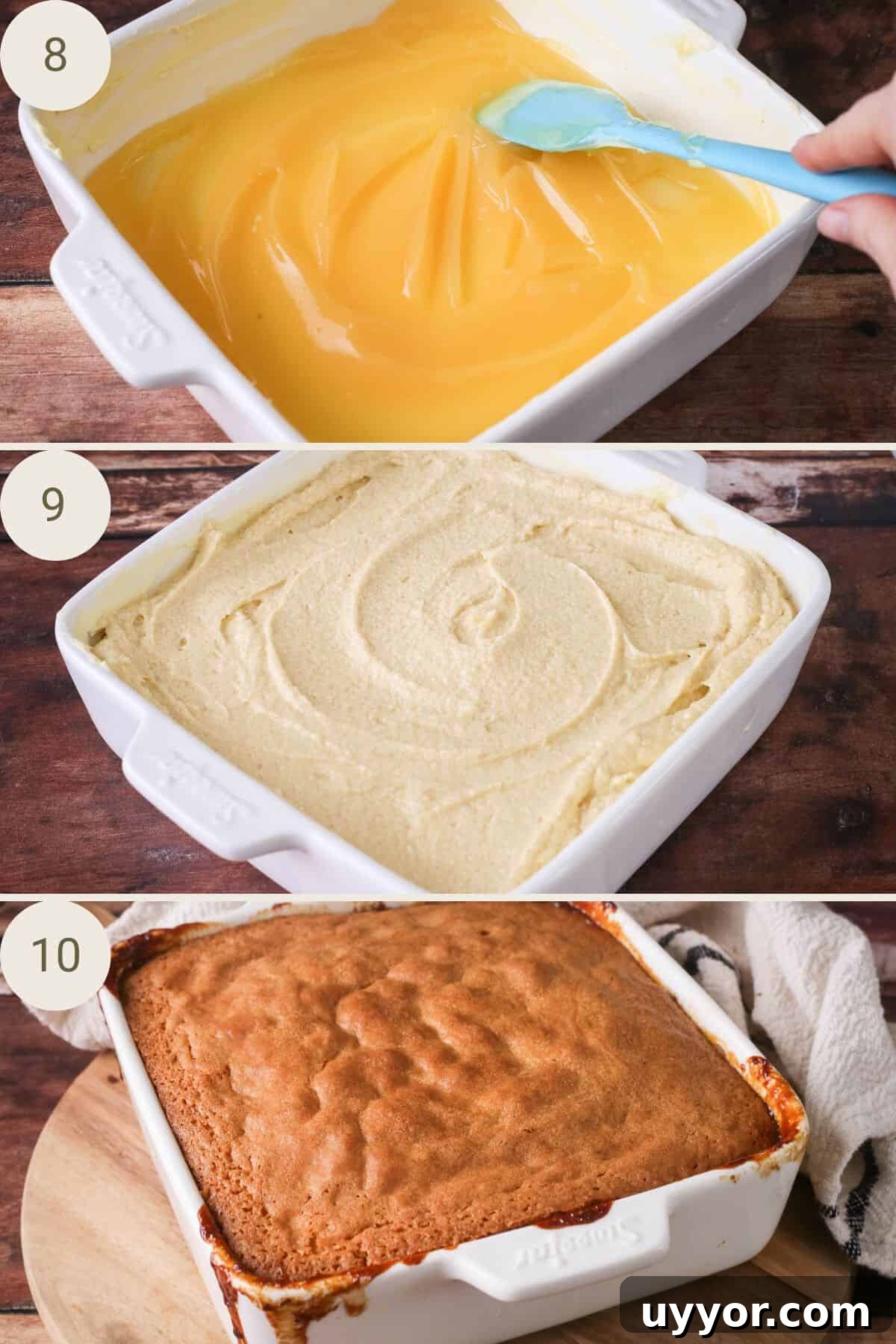
Butter a deep 20cm (8 inch) square baking dish. Spoon the lemon curd evenly over the bottom, then pour the sponge batter on top and smooth the surface.
Bake in the centre of the oven for about 50–55 minutes, or until the top is golden and a skewer inserted into the sponge comes out clean. Allow the pudding to rest 10–15 minutes before serving so the curd settles slightly.
Tips & Troubleshooting
Bring all ingredients to room temperature before you start so the batter emulsifies properly—this is especially important for the high fat-to-liquid ratio in this sponge.
Use a glass or ceramic baking dish for an even bake. If you use a wider dish, the pudding will be shallower and will likely bake faster—check from 30–40 minutes.
If the top browns too quickly, tent with foil after about 40 minutes to prevent over-browning.
Let the pudding rest about 10–15 minutes before serving; this makes it easier to portion and keeps the sponge moist.
If you have extra lemon curd, drizzle a little over each serving to brighten the flavour.
Making Ahead
This pudding is best eaten within a couple of hours for the best texture, but you can bake it up to three days ahead. Store covered at room temperature in an airtight container or wrapped in plastic wrap.
For reheating, divide into microwave-safe portions and warm for 1–2 minutes—this retains moisture better than reheating the whole dish in the oven, which can dry the sponge.
Freezing
The pudding freezes well. For best results, freeze individual portions and reheat gently from frozen in the microwave when needed.
FAQs
Yes. Replace the butter with light olive oil (about 200g) and swap whole milk for a plant-based milk such as almond or soya. Use a dairy-free lemon curd to keep the dessert fully dairy-free.
Dryness often comes from using an unsuitable shop-bought flour blend. This recipe was developed for a balanced homemade mix of wholegrain and starchy flours and includes a small amount of milk to retain moisture. Weighing ingredients and following the specified flour blend will help ensure a moist result.
Serving Suggestions
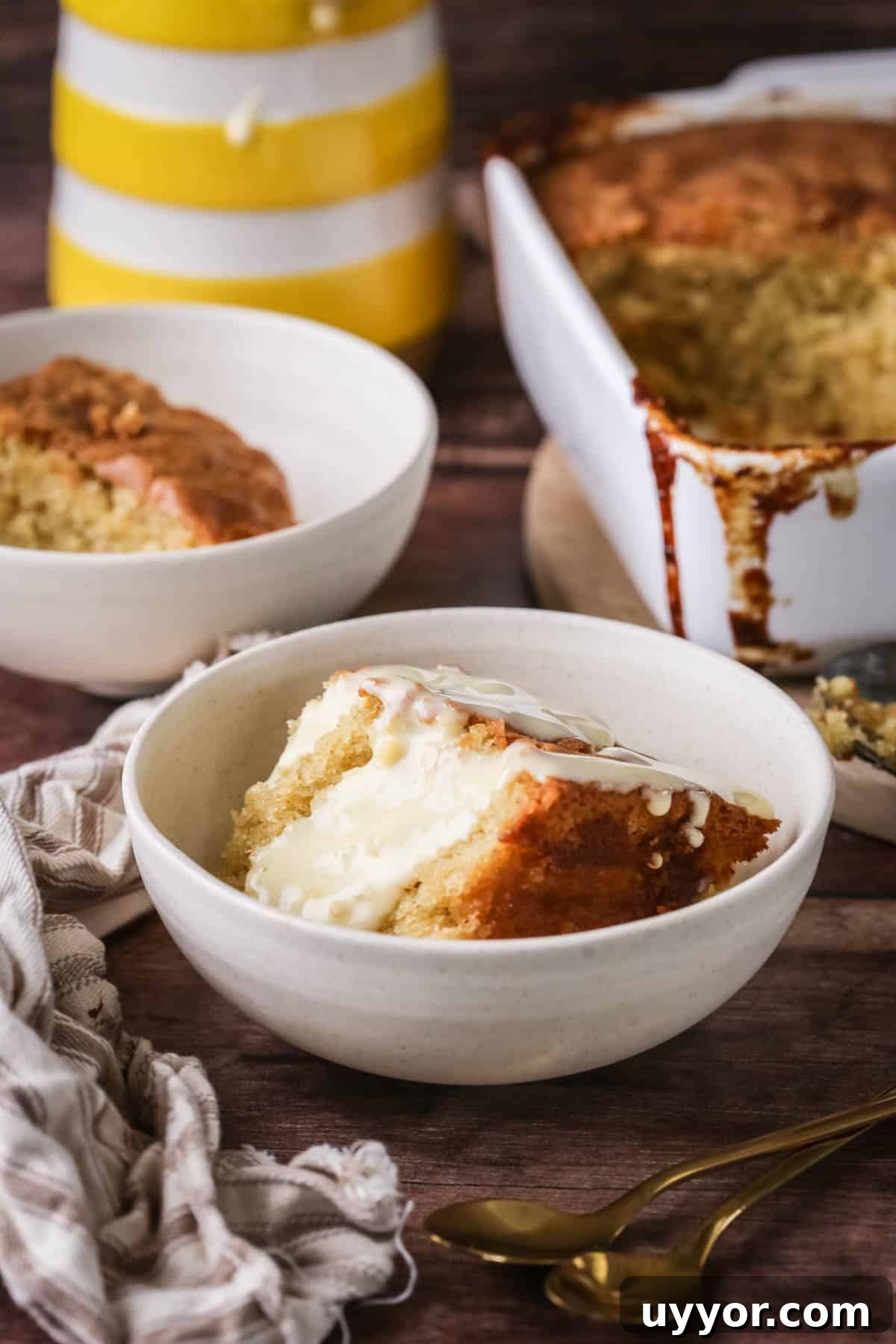
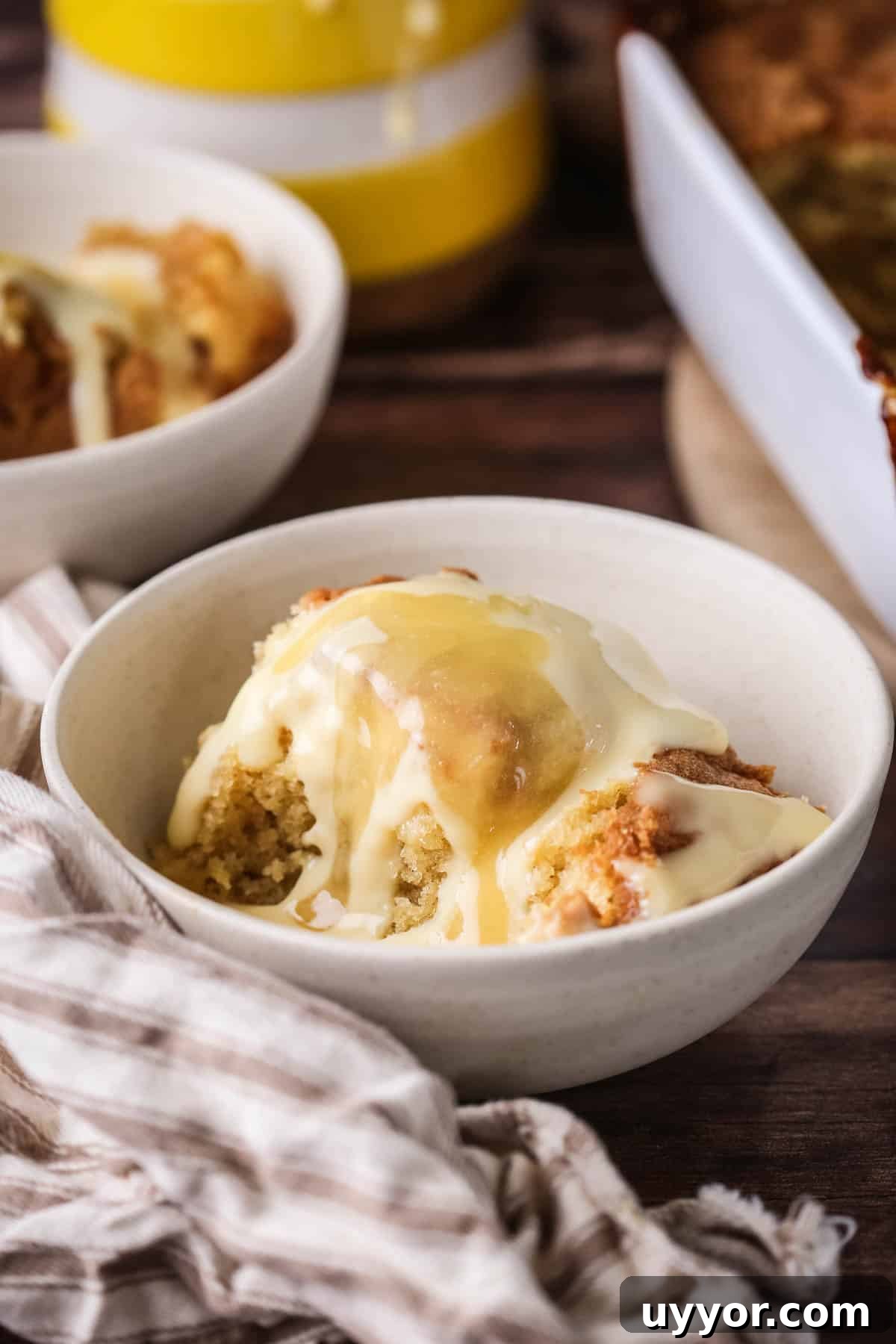
- Custard: Serve with lemon custard to intensify the citrus notes, or classic vanilla custard for a traditional finish.
- Cream: Single or double pouring cream adds richness.
- Ice cream: Vanilla ice cream pairs beautifully with the warm pudding.
- Fruit: Fresh raspberries or berries lighten and complement the lemon flavour.
More Lemon Curd Recipes You’ll Love
Lemon curd is quick and easy to make and perfect for spreading on crumpets, stirring into yoghurt or using in cakes. If you enjoy lemon curd puddings, you may also like lemon curd cakes, no-bake lemon curd cheesecakes or bundt cakes finished with a lemon curd glaze.
Gluten-Free Lemon Curd Sponge Pudding
Pin Recipe
Ingredients
- 250 g lemon curd
- 250 g caster sugar
- 250 g butter
- 5 eggs
- 240 g homemade gluten-free flour blend (FTL Blend)
- 2 teaspoons baking powder
- ¾ teaspoon salt
- 2 tablespoons whole milk
Instructions
- Preheat the oven to 180°C / 160°C fan / gas mark 4 / 350°F.
- Cream the butter and sugar until pale and fluffy.
- Add the eggs one at a time, mixing well after each addition.
- Sift the flour, baking powder and salt, then fold into the batter. Beat in the milk to loosen the mix.
- Butter a 20cm (8 inch) deep square baking dish and spread the lemon curd evenly over the bottom.
- Pour the sponge batter over the curd and smooth the top.
- Bake for 50–55 minutes, until the top is golden and a skewer comes out clean.
- Allow to rest 10–15 minutes before serving warm.
Video
Notes
Gluten-free flour (FTL Blend): This recipe was tested with a specific blend of sweet rice flour, sorghum flour, oat flour and tapioca starch. The blend gives the right balance of structure and tenderness without xanthan gum.
Eggs: Use medium eggs and weigh if necessary for accuracy.
Baking dish: A deep 20cm (8 inch) dish was used for the demonstration. If your dish is wider, the pudding will be shallower and may cook faster—check early.
Dairy-free option: Swap butter for light olive oil (about 200g) and use plant milk plus a dairy-free lemon curd.
- Shop-bought or homemade lemon curd both work—ensure it’s thick enough.
- Tent with foil if the top browns too much after 40 minutes.
- Rest 10–15 minutes before serving for best texture.
If you have extra lemon curd, drizzle some over the plated pudding for an extra lemon hit.
Ingredient measurements: The recipe uses weight measurements for accuracy—this helps especially with gluten-free baking.
Nutrition
Carbohydrates: 47g
Protein: 5g
Fat: 21g
Have you tried this recipe?
Please leave a review and star rating to support the recipe and help others discover it.