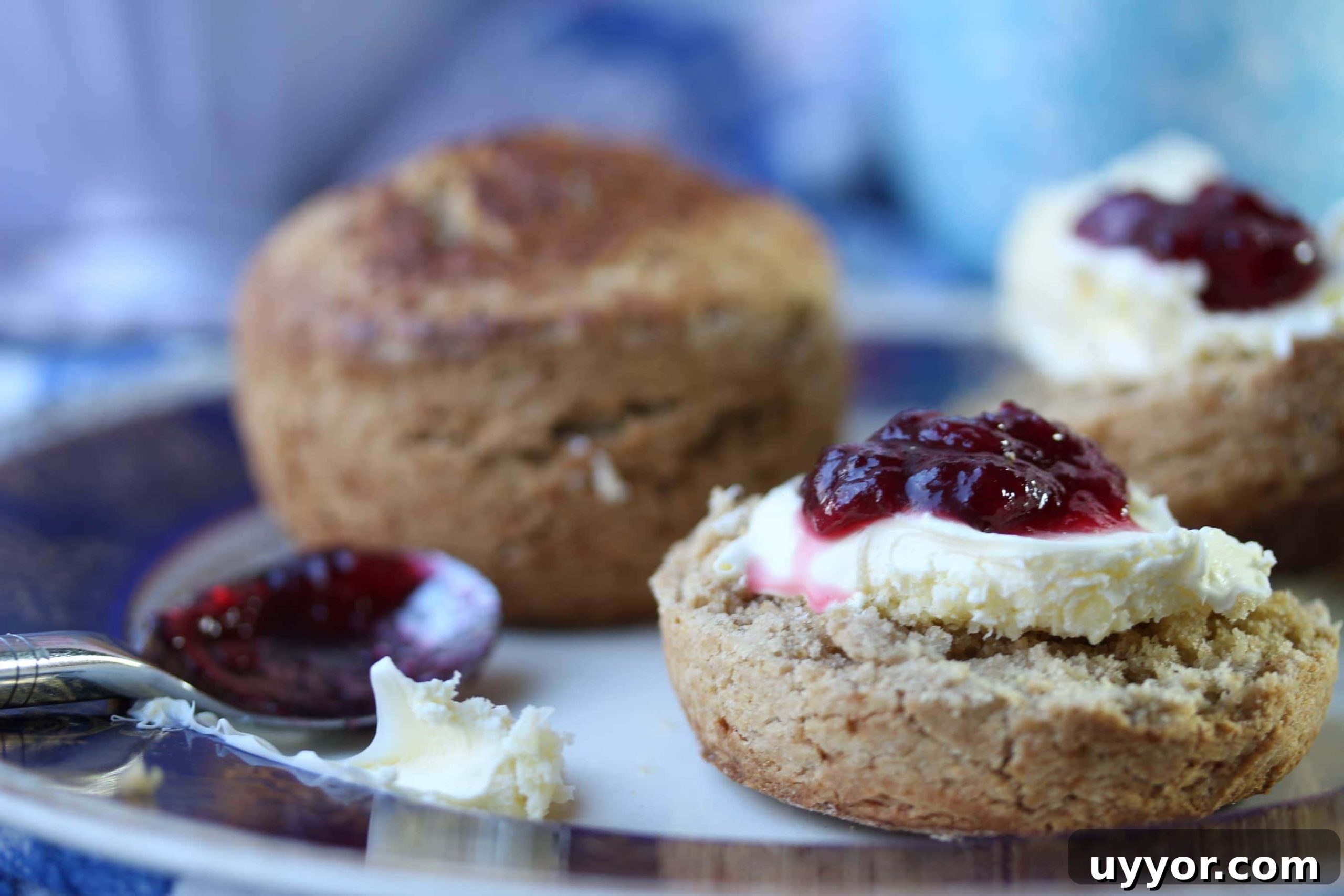
This gluten-free scone recipe never fails — just look at their size!
They look and taste like traditional scones. Delicious served with a dollop of clotted cream and jam.
This post contains affiliate links. As an Amazon Associate I earn from qualifying purchases.
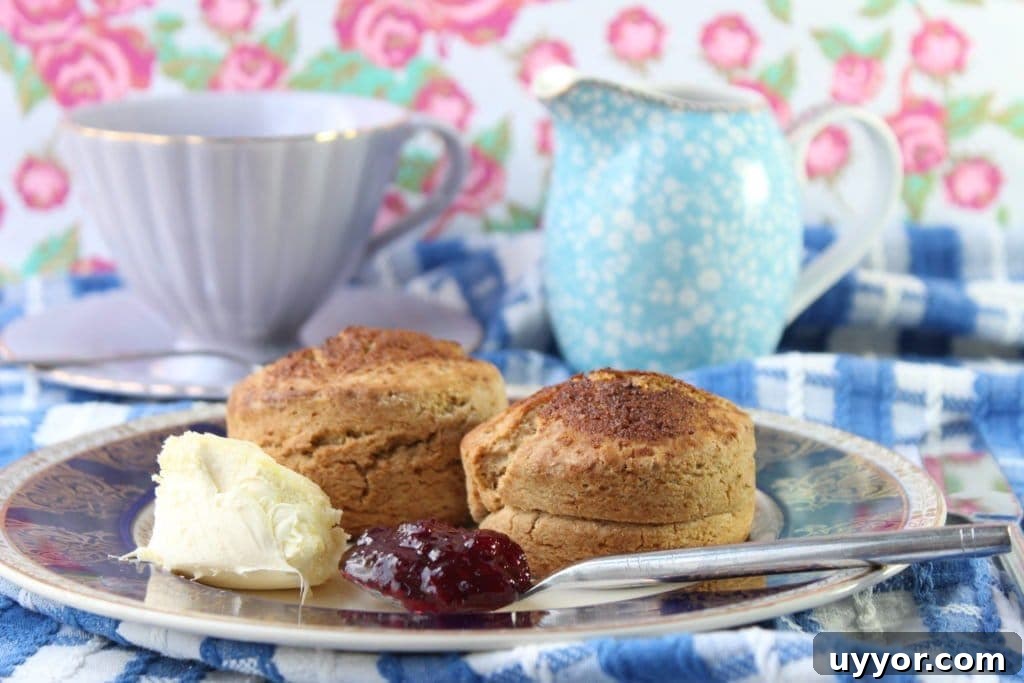
Today I’m sharing a gluten-free scone recipe that’s much in demand. Making scones without gluten can be difficult — they often turn out dry, crumbly and lacking in flavour. This recipe, made with a wholegrain gluten-free flour blend, solves those problems and produces scones that look and taste like the real thing.
I originally developed a dairy-free version using a readily available flour blend, but I’ve since refined the recipe using a wholegrain gluten-free flour that gives better texture, flavour and nutrition.
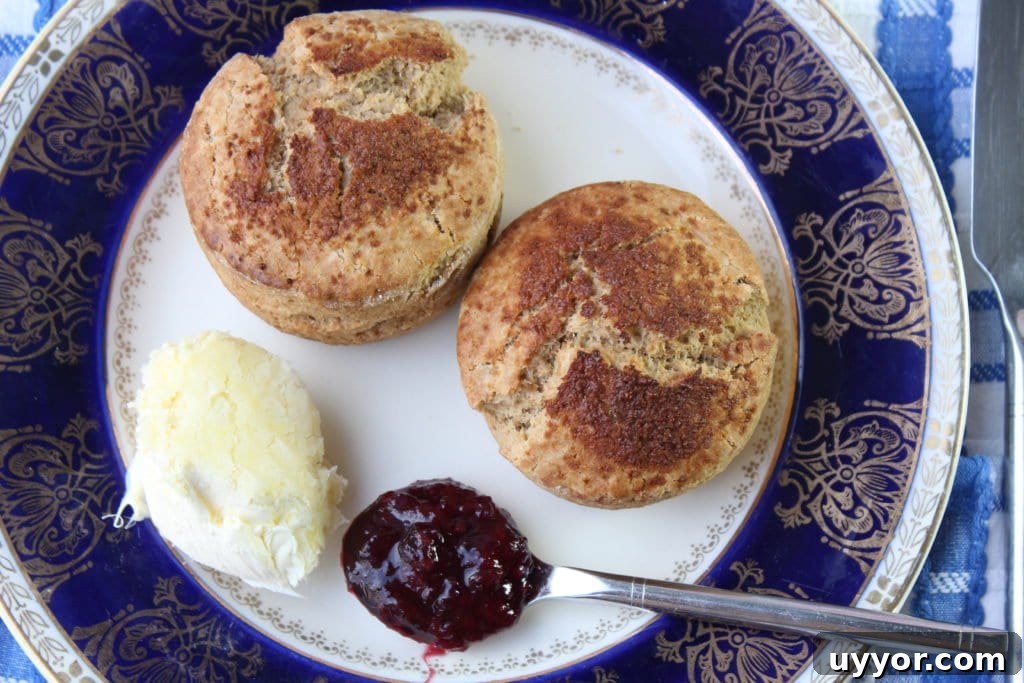
The secret to great gluten-free scones
The most important factor is the flour. Unlike wheat flour, there isn’t a single gluten-free flour that replaces it perfectly — many different flours and starches are used in blends, and each affects the final bake.
A good gluten-free flour blend mimics the behaviour of wheat flour. Cheaper blends rely heavily on starches such as rice, potato or tapioca, which are functional but often lack flavour and nutrition. Higher quality blends include wholegrain flours like teff, sorghum and buckwheat, which improve both taste and nutrient content.
Think of it like comparing cheap white sliced bread to a rich wholegrain sourdough: both provide energy, but the wholegrain option offers superior flavour and nutrients. The wholegrain blend used here contains about 70% wholegrain flours with some starch for binding, and no gums or preservatives. It works well across a range of bakes without needing unusual additives.
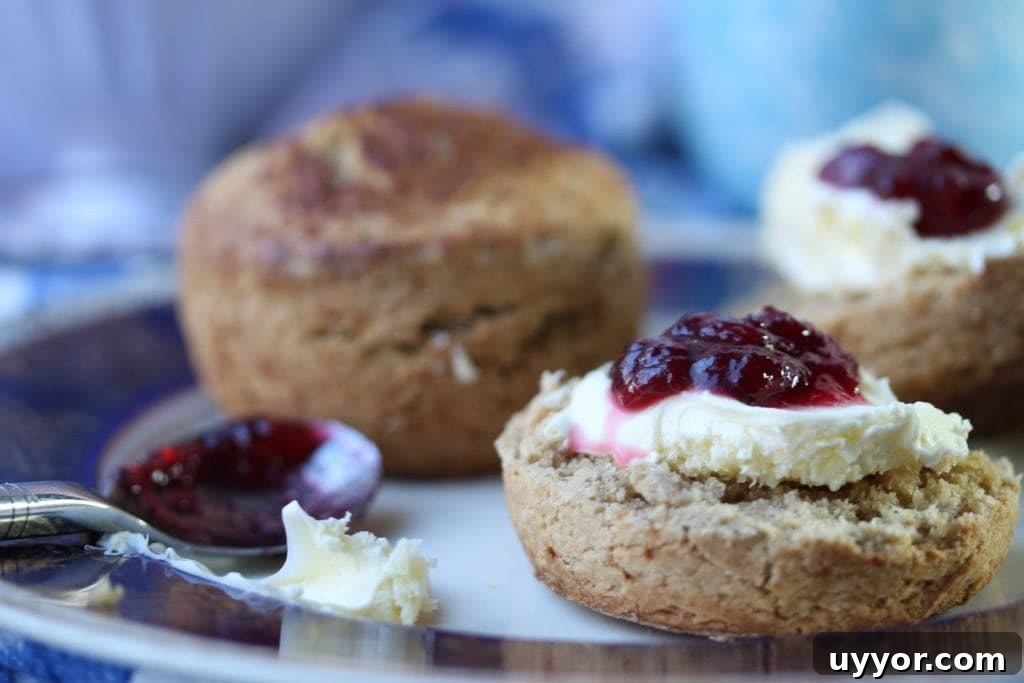
How to make gluten-free scones
Making gluten-free scones is simpler than you might think. If you’ve made scones before, the process will feel familiar. Combine the dry ingredients, including the flour and psyllium husk (or xanthan gum), then rub in the butter until the mixture resembles fine breadcrumbs. A food processor speeds this up, but you can do it by hand in a bowl.
Next, add the yoghurt and milk and bring the mixture together into a dough that just holds. Unlike gluten-containing scones, gluten-free scones tend not to rise as much, so roll the dough out to the thickness you want the finished scones to be. If the dough is rolled too thin, the scones will remain flat.
Cut out the scones, transfer them to a hot baking tray and bake until golden. They’re best eaten the same day while still warm, but you can freeze leftovers and reheat them later.
Frequently asked questions
Yes. The recipe uses a wholegrain gluten-free flour blend developed for people with coeliac disease. The blend includes naturally gluten-free wholegrains to help provide fibre and minerals often lacking in a gluten-free diet.
Results will vary with other blends. This recipe was developed specifically for the wholegrain blend referenced. If using a different blend, textures and rise may differ. For a version using a commonly available UK flour, see the author’s alternate scone recipe.
Yes. The author shares the flour blend formula and related techniques in online cookery courses, which can help you recreate similar results with locally available flours.
Yes. Xanthan gum can be used in place of psyllium. The author prefers psyllium for its fibre and gut-friendly properties, but either works to replace gluten’s binding properties.
Yes. Fold in a handful of chopped dried fruit for fruit scones, or add chocolate chips, chopped nuts or seeds to the dough for extra texture. For cheese scones, use a dedicated cheese scone recipe because the butter ratio needs adjusting.
No. A large mixing bowl, baking tray and cutter are all you need. A food processor will make the job quicker but isn’t essential.
Self-raising flour is easiest, but if you only have plain flour add 2 teaspoons of baking powder to the plain flour to substitute.
They’re best eaten the day they’re made, ideally while still warm. If needed, store in an airtight container and consume within a day or two. Refresh briefly in the microwave before serving.
Yes. Freeze once fully cooled and defrost in the microwave or at room temperature, then refresh in the oven for best texture.
No. This recipe uses dairy ingredients. A vegan gluten-free scone recipe is available separately.
The listed quantities make six small scones. Use a larger cutter for fewer, bigger scones or scale the recipe up as needed.
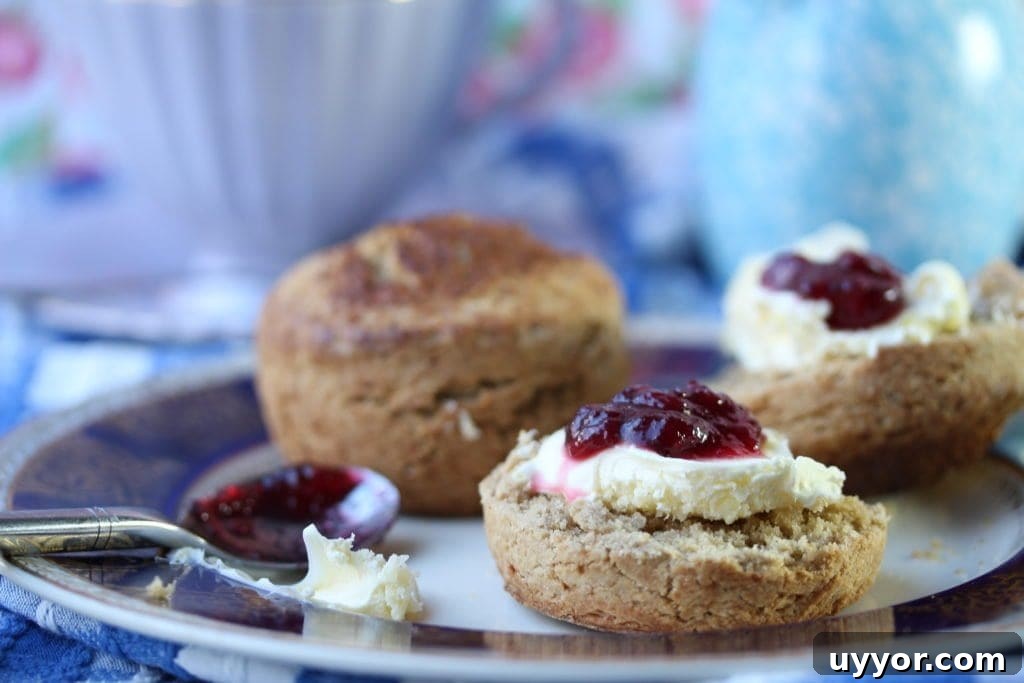
Other gluten-free scone variations
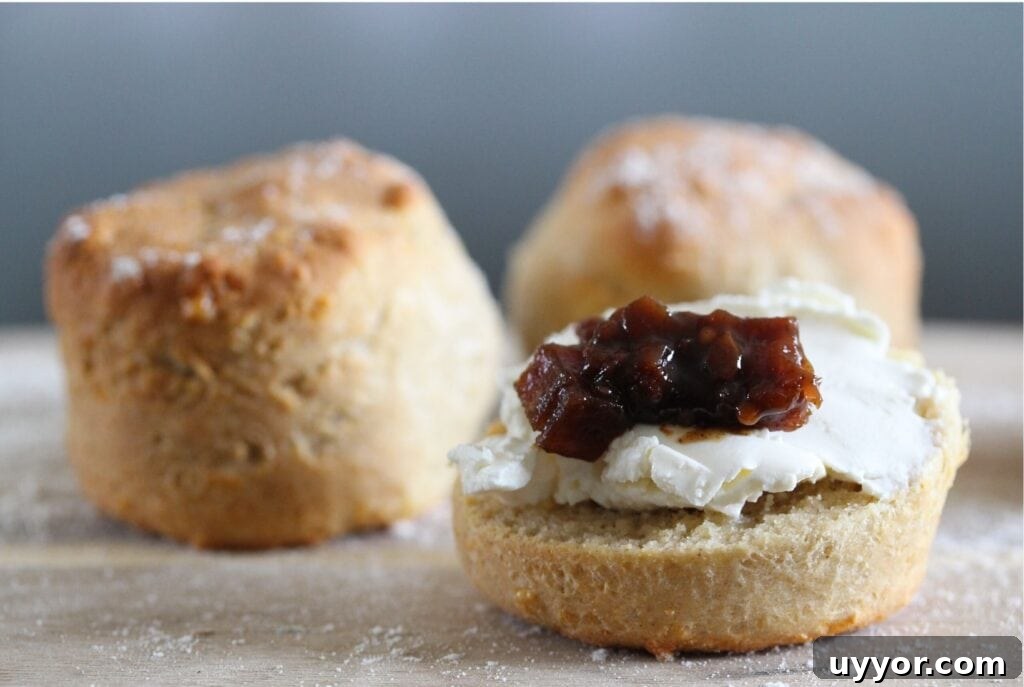
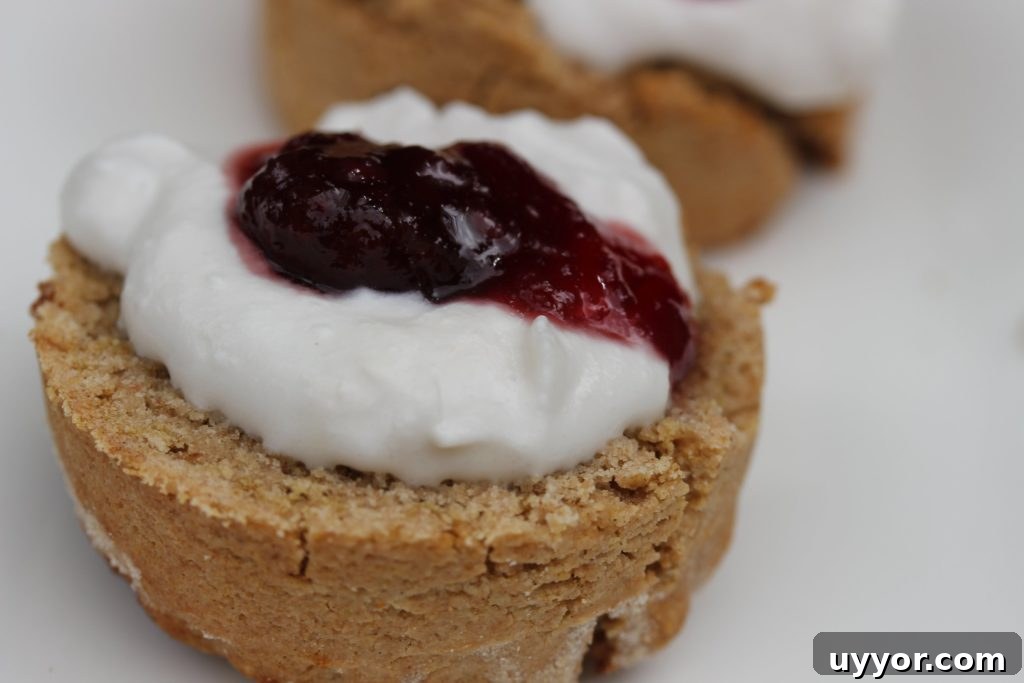
If you want alternatives, try cheese scones, healthy vegan scones, dairy-free scones or savoury tomato and herb scones. These variations adapt the base method and ingredient ratios to suit different flavours and dietary needs.
-

Cheese Scones -
Vegan Scones
Free recipe book
If you enjoy this recipe and would like a free gluten-free recipe e-book, enter your details in the sign-up box on the original site. Subscribers will also receive a weekly newsletter with recipe inspiration, and can unsubscribe at any time.
The BEST Gluten Free Scone Recipe

This recipe produces large, tender gluten-free scones that hold together and bake up golden. Perfect with clotted cream and jam.
Ingredients
- 230 g Free From Fairy self-raising flour (or 230 g plain flour + 2 tsp baking powder)
- 1 tsp psyllium powder (or xanthan gum)
- 20 g coconut sugar (plus extra for sprinkling), or regular caster sugar
- 75 g butter, cubed (goat’s butter can be used)
- 70 g plain full-fat yoghurt
- 70 g full-fat milk (plus extra for brushing)
Instructions
- Preheat the oven to 220°C (200°C fan) / gas mark 6 and place a large baking tray inside to heat.
- Combine the dry ingredients in a food processor or a large bowl and mix well.
- Add the butter and blend until the mixture resembles fine breadcrumbs, or rub in by hand.
- Stir in the yoghurt and milk to form a dough that just holds together.
- Flour a clean surface, turn out the dough and form a rough ball. Press the dough out to about 2 cm thick.
- Use a floured straight-edged round cutter (7 cm diameter) to cut out scones. Re-shape and re-roll remaining dough to cut more.
- Brush the tops with milk and sprinkle with a little sugar if desired.
- Carefully remove the hot baking tray from the oven and place the scones onto it. Bake for about 15 minutes until golden on top.
- Allow to cool for around 5 minutes (or fully) before splitting and serving.
- Eat on the day of baking or freeze once cooled; reheat from frozen in the microwave or warm through in the oven.
Notes
Nutrition information is approximate. Scones are best enjoyed fresh, but they freeze well for convenience.