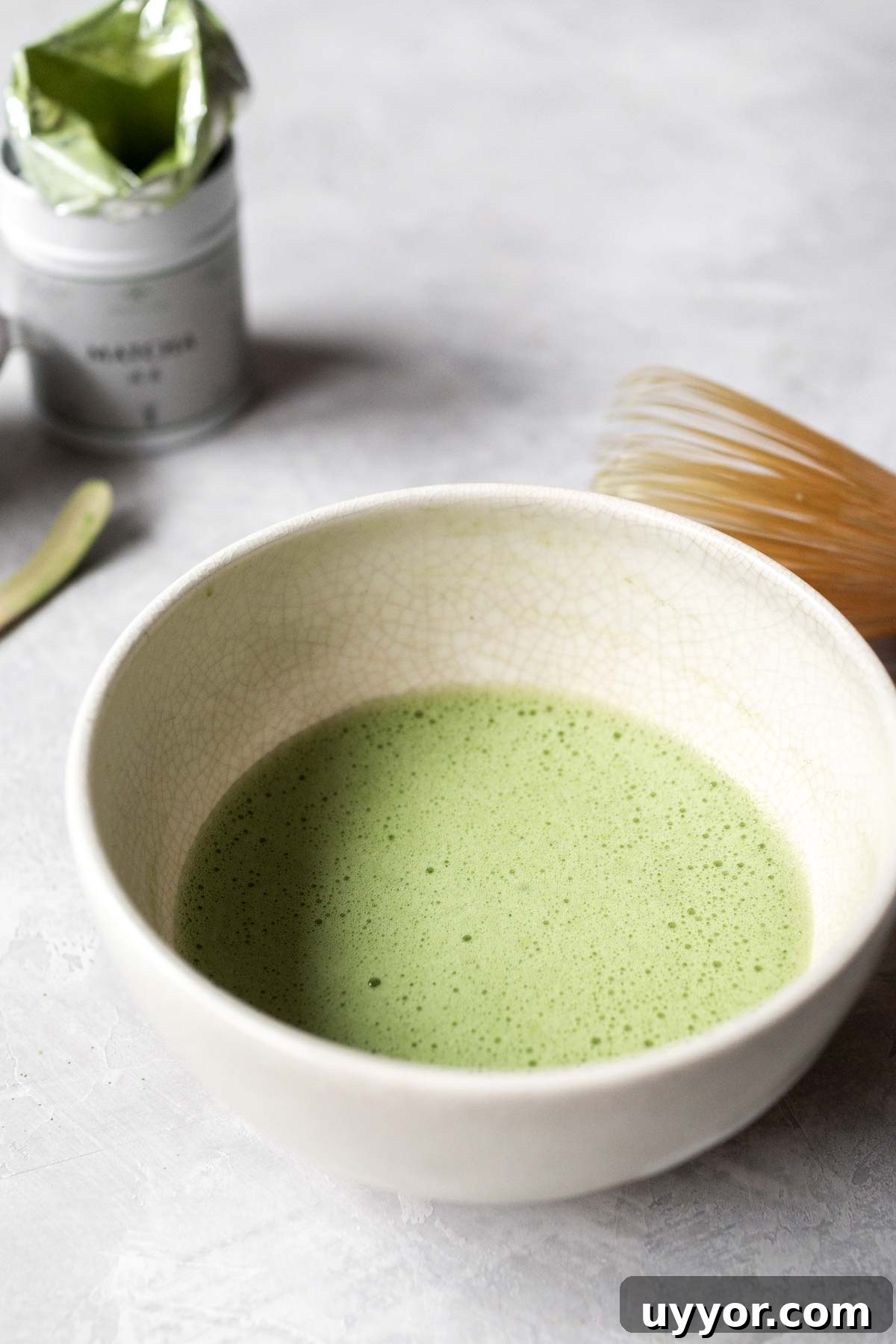
Matcha is a finely ground Japanese green tea. Below is a concise, practical guide from a certified Tea Sommelier on what matcha is, the tools and ingredients you need, step-by-step preparation, and helpful tips for the best results.
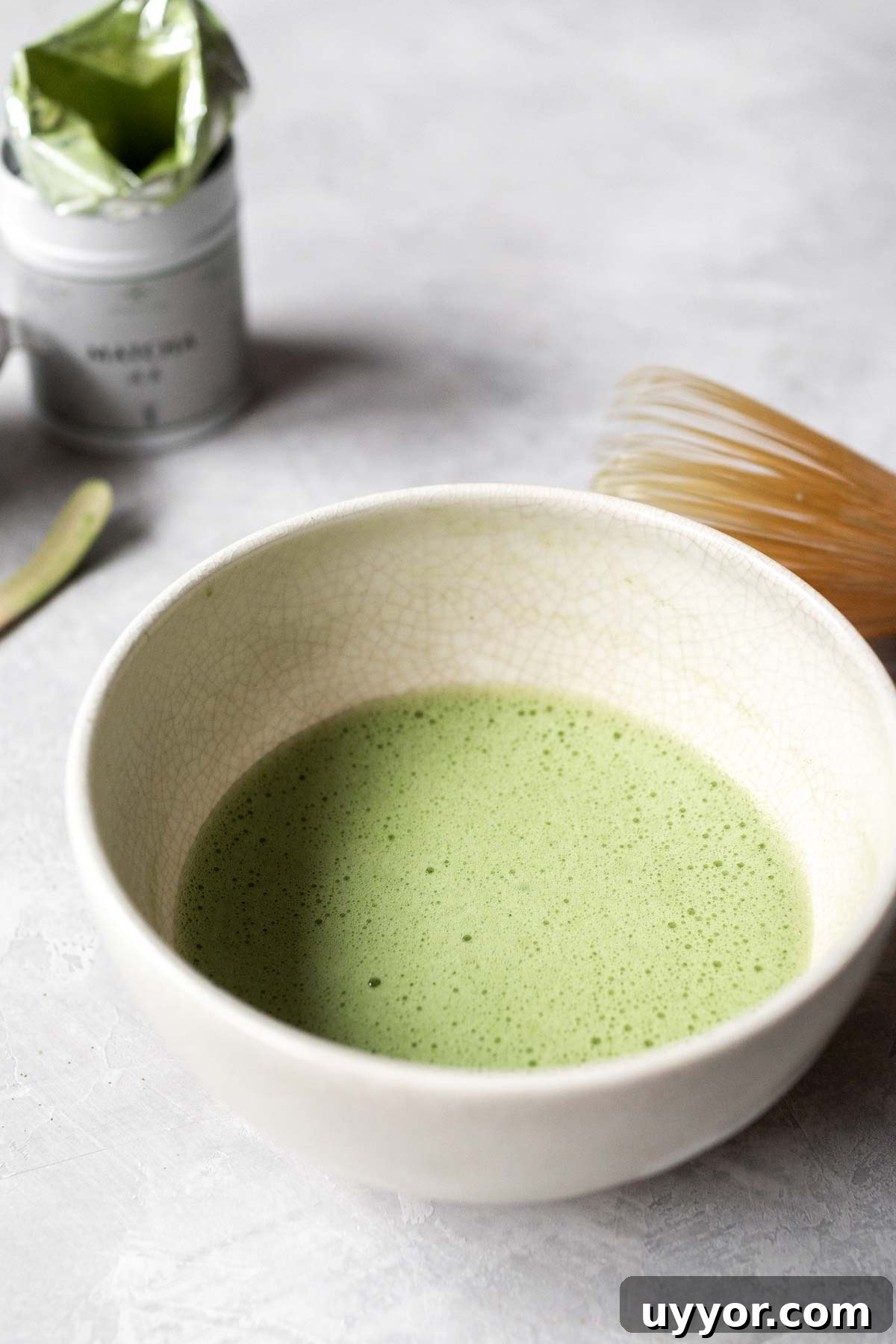
Matcha
Matcha is a Japanese green tea ground into a fine powder.
The word comes from Japanese: “matsu” (rubbed) and “cha” (tea), meaning ground tea. Because matcha is made from green tea leaves, it contains caffeine.
The flavor is vegetal, slightly bitter, and full-bodied. It can be complex and, in higher-quality varieties, may finish with subtle sweetness. Many people find it an acquired taste.
Traditional preparation uses a bamboo whisk in a tea bowl.
Matcha powder is whisked into hot water and sipped directly from the bowl, often paired with something sweet to balance bitterness. Two classic preparations exist: usucha (thin), an everyday frothy matcha, and koicha (thick), used in formal tea ceremonies and prepared with a denser, non-frothy texture.
Matcha is more expensive than loose-leaf green tea.
Producing matcha requires extra steps—de-stemming, de-veining, shading the plants before harvest to enhance nutrients and color, and stone-grinding the leaves into powder—so quality matcha costs more.
When you drink matcha, you consume the whole leaf.
Because the powder is suspended in water rather than steeped and discarded, matcha delivers more caffeine and concentrated flavor. The powder never fully dissolves, so it must be whisked vigorously to suspend it.
Pronunciation: MAHT-CHA or MA-CHA.
Ingredient and Tool Notes
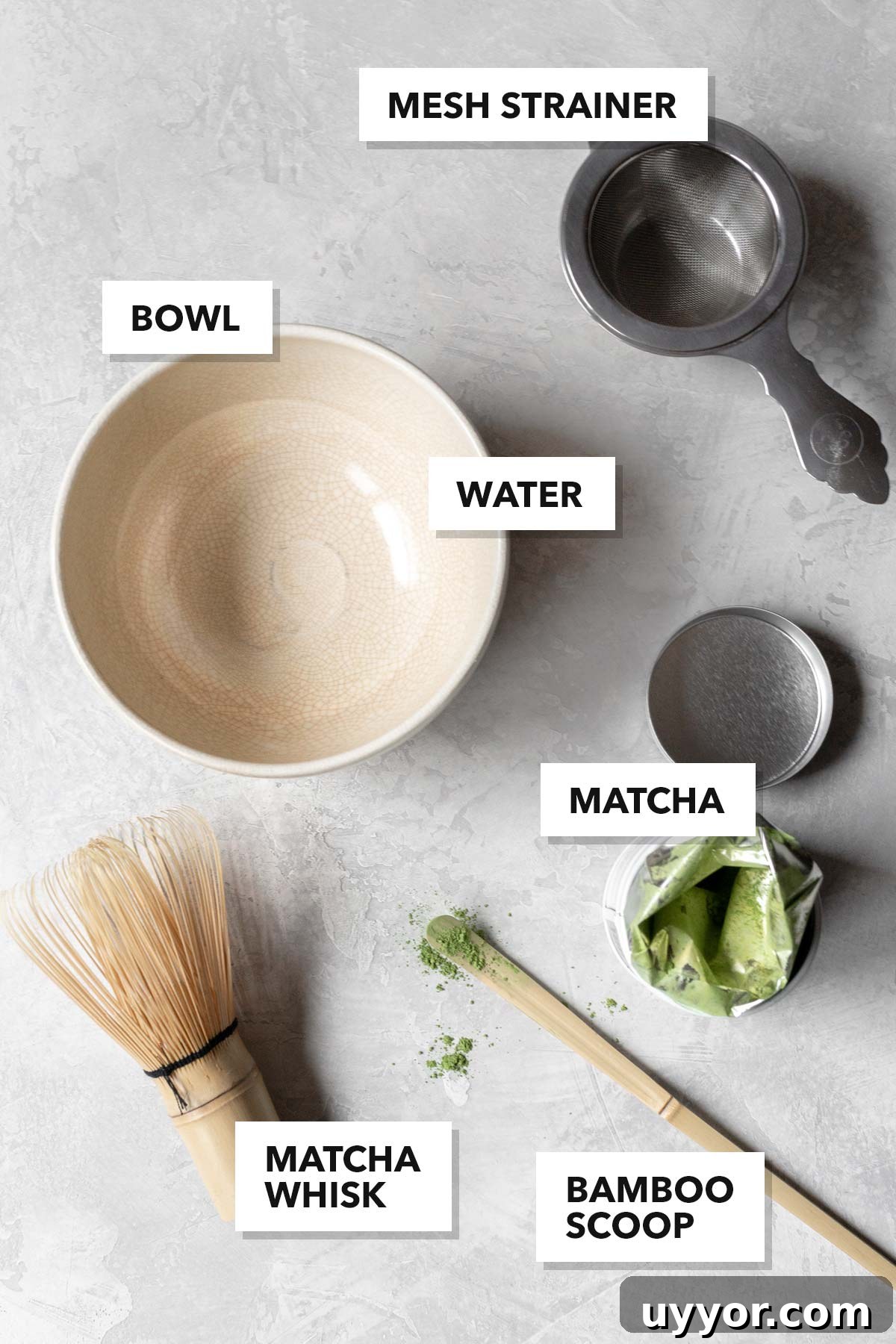
- Matcha: For drinking straight with water, choose a bright green matcha in the mid to higher price range. Lower-cost matcha works well for lattes and blended drinks.
- Water: Use filtered water for a cleaner taste—tap water can mask delicate flavors.
- Bowl: A flat-bottomed bowl with a wide opening gives room to whisk and create froth.
- Bamboo whisk (chasen): Made from a single piece of bamboo. Whisks are commonly available with different tip counts (80, 100, 120); more tips make frothing easier but cost more.
- Bamboo scoop (chashaku): A traditional scoop measures matcha. Aim for about 2 grams (roughly one teaspoon or one and a half heaping scoops). A regular teaspoon will do if you don’t have a chashaku.
- Mesh strainer: Sifting matcha removes clumps and produces a smooth bowl.
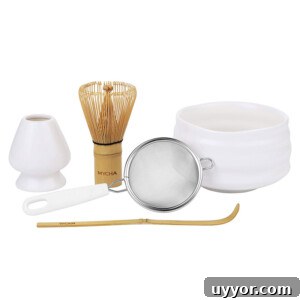
Basic matcha set with essential tools—an affordable starter option.
Steps-by-Step Instructions
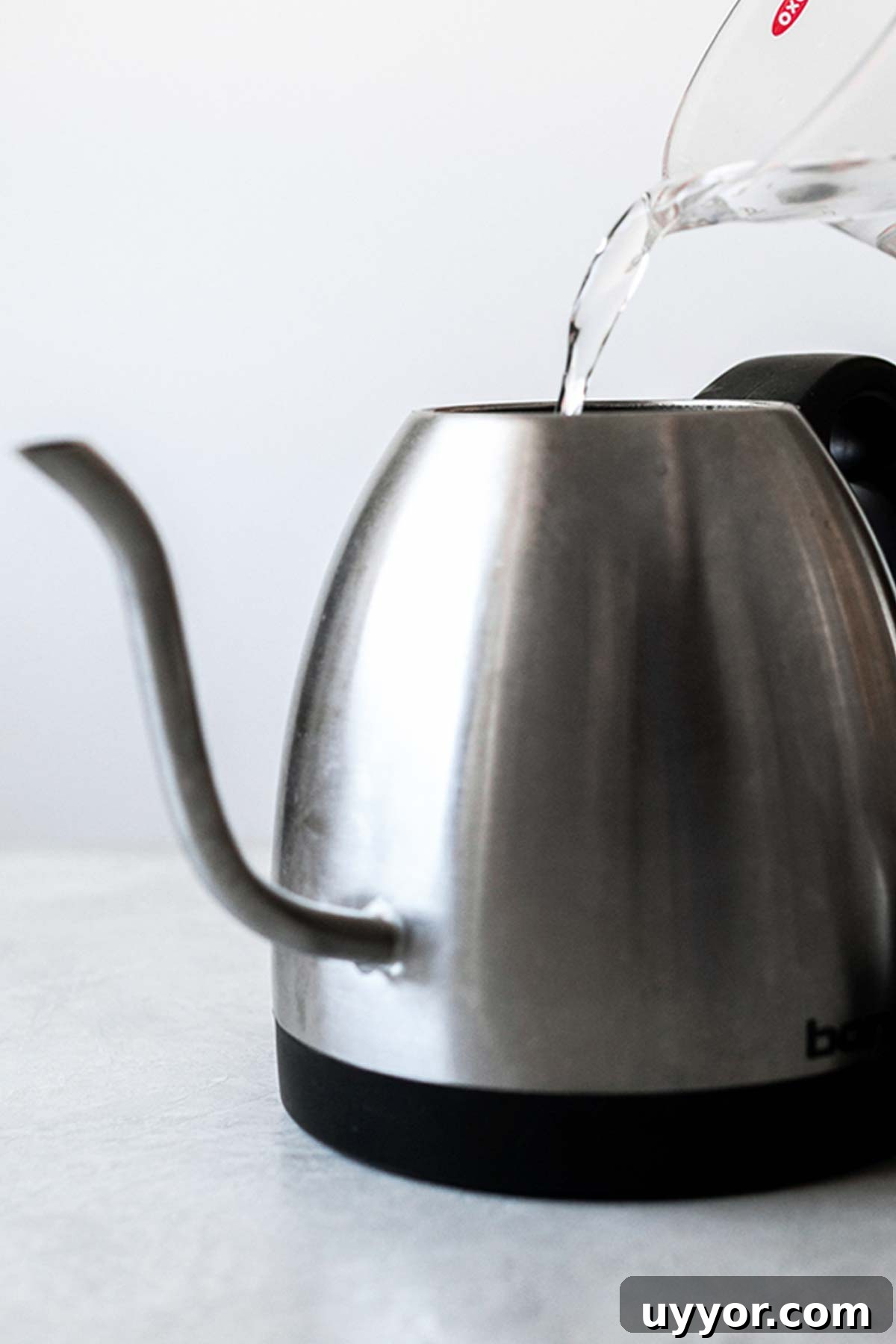
Step 1: Heat water to a simmer, not a rolling boil. If possible use a kettle with temperature control. Boil extra water to warm the bowl and whisk.
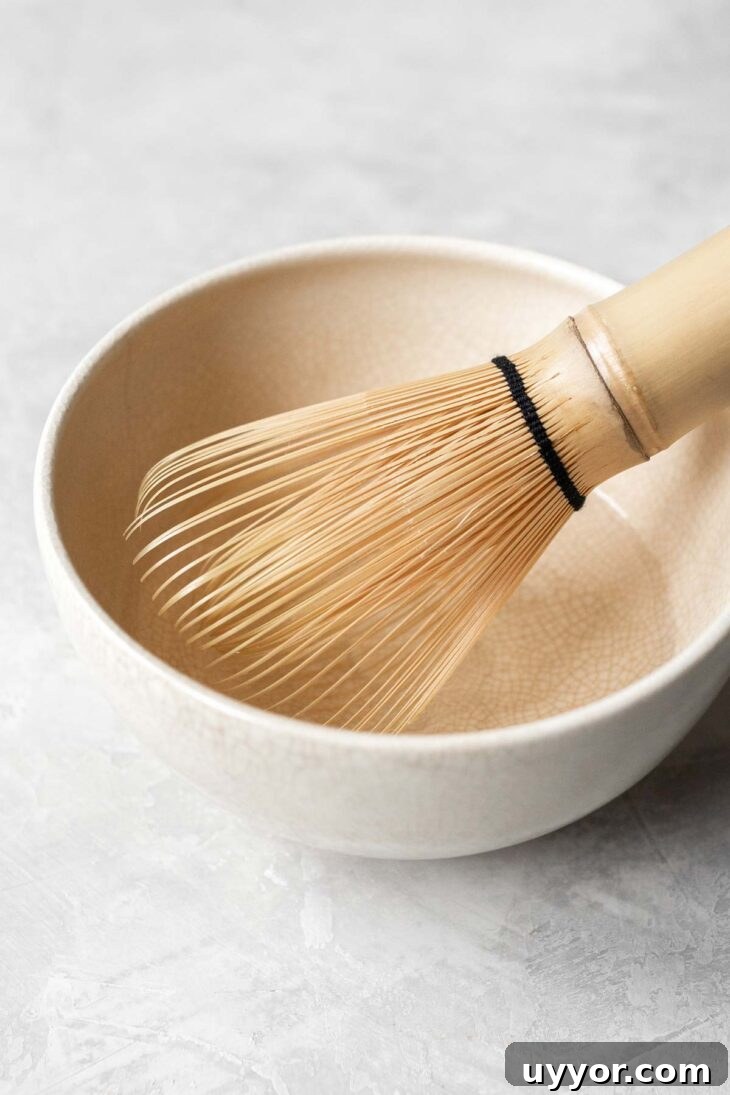
Step 2: Warm the bowl and soften the whisk. Pour hot water into the bowl and dip the whisk briefly to soften the tips. Discard the water and dry the bowl.
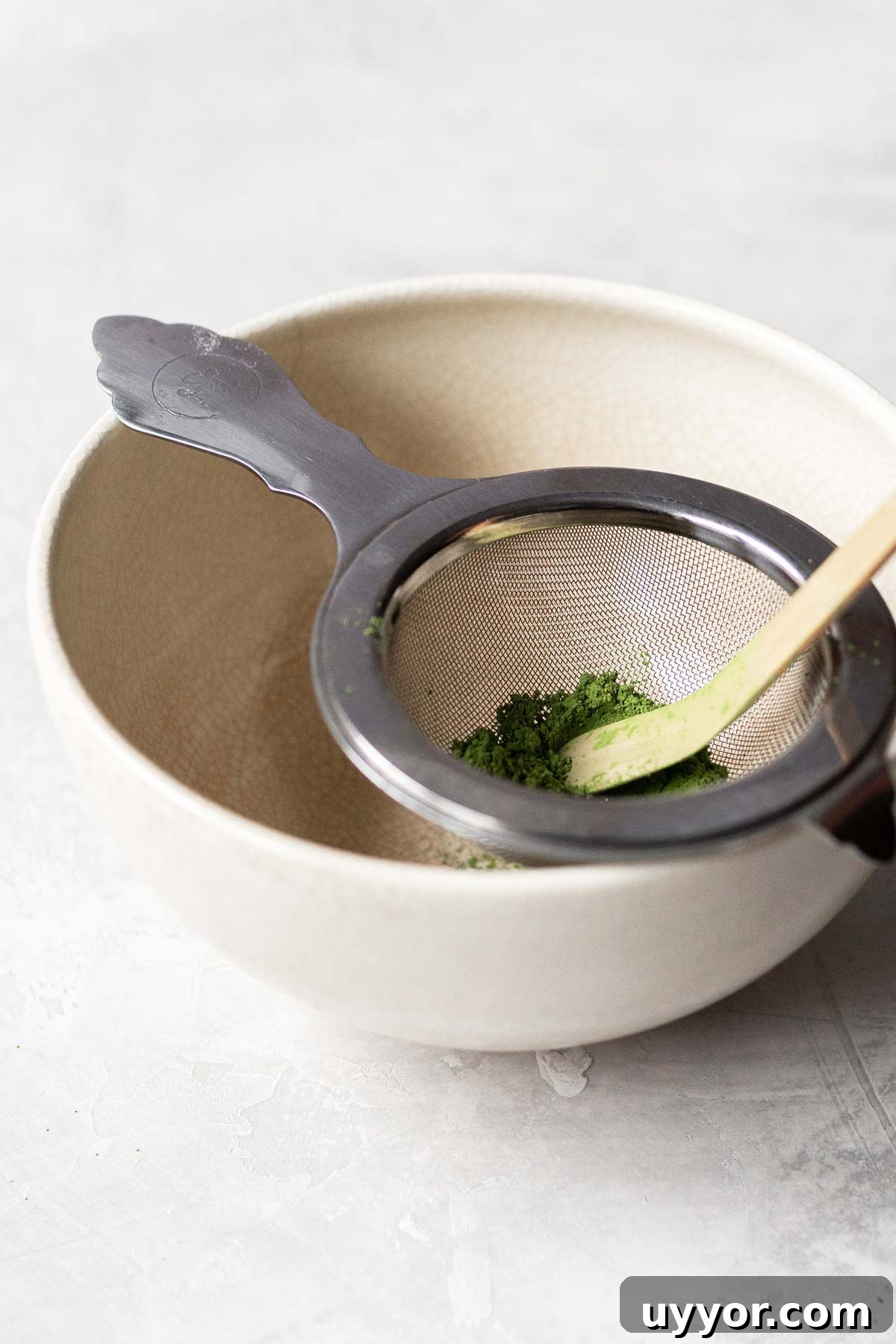
Step 3: Scoop and sift matcha into the warmed, dry bowl to remove clumps.
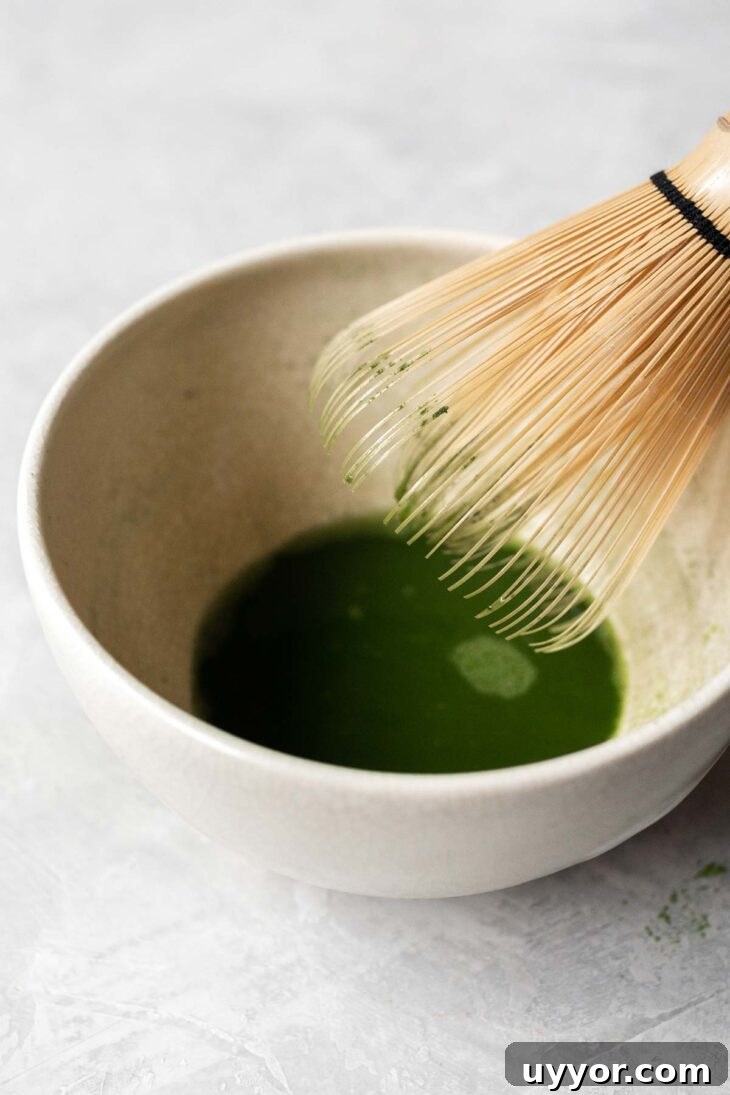
Step 4: Add a small amount of hot water (about 2 tablespoons) and whisk slowly to form a paste and dissolve any remaining clumps.
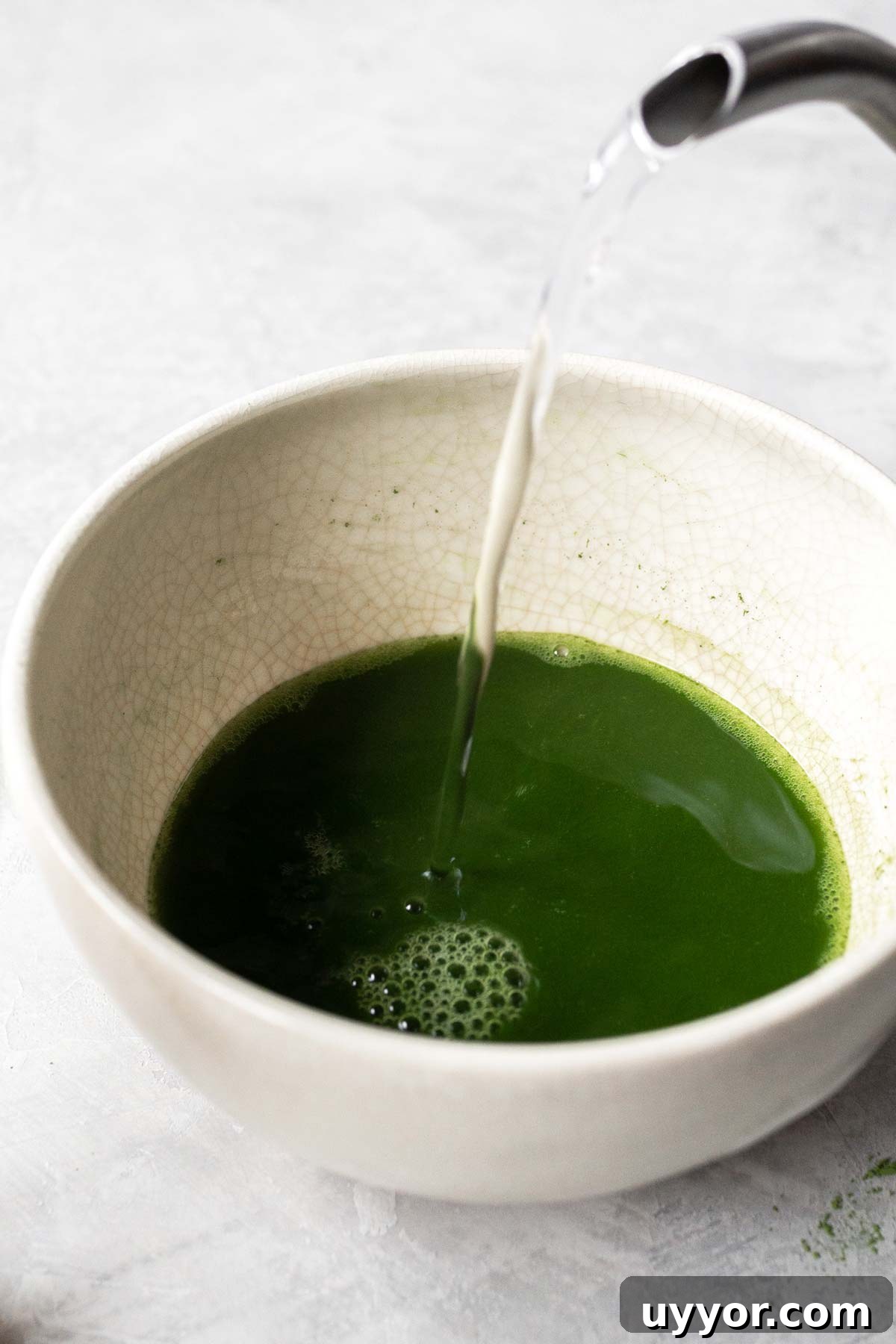
Step 5: Add about 2 more tablespoons of hot water (or adjust to taste).
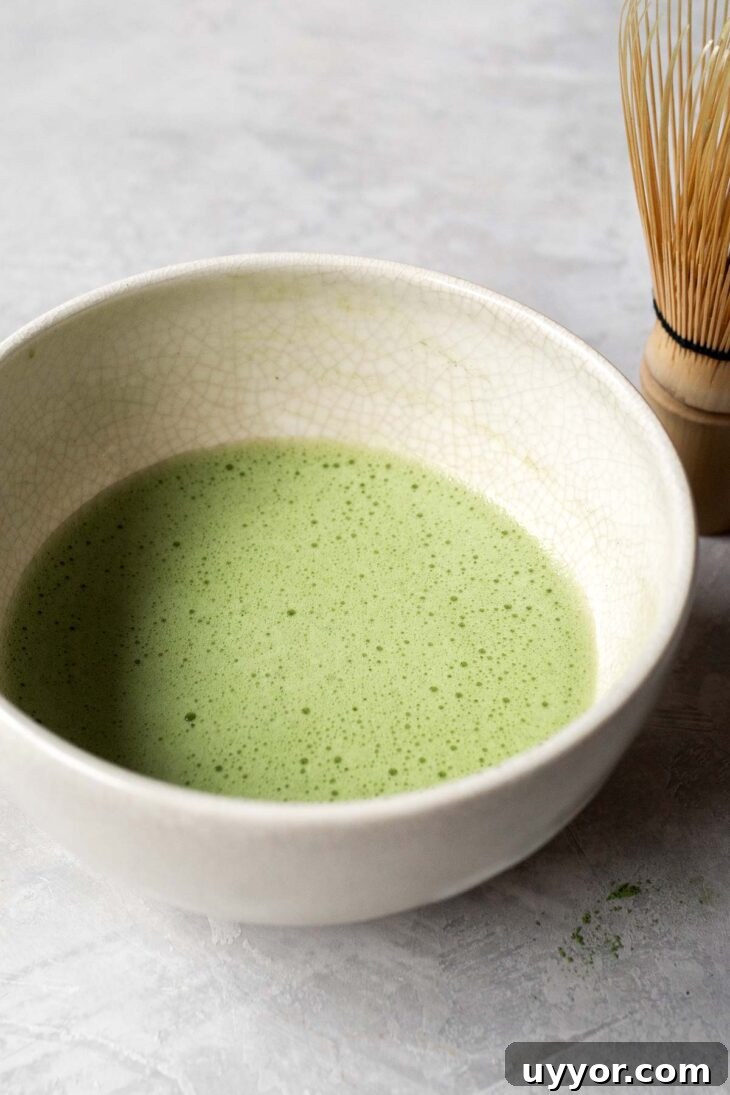
Step 6: Whisk vigorously from the wrist in a quick zig-zag or “W” motion until a fine froth forms. Aim for 10–15 W motions. Avoid large bubbles for the smoothest texture.
Tea Sommelier’s Tips
Color indicates quality.
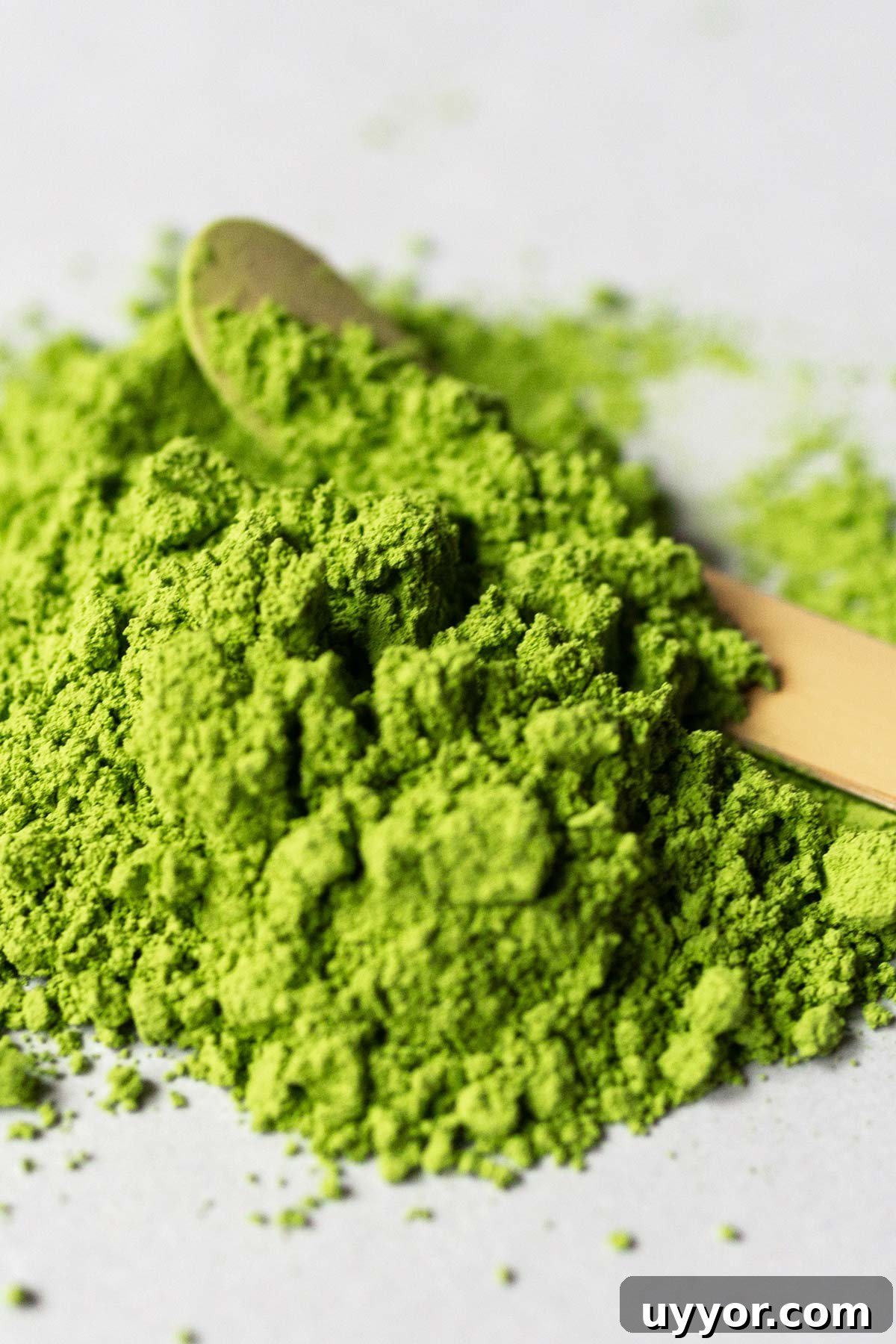
A vivid, bright green powder usually signals higher quality and a fresher, more delicate flavor. Use mid-range matcha for lattes and higher-grade matcha when drinking with only water.
Marketing labels vary.
Terms like “ceremonial” or “culinary” are used for marketing; they can be helpful but are not standardized. Choose based on color and intended use.
Whisking improves with practice.
Initial froths may show larger bubbles; with experience you’ll create finer foam. Bubble size often reflects skill.
Use good water.
Filtered water gives a cleaner, more accurate taste of the tea.
Sip traditionally from the bowl with both hands.
Hold the bowl with your left hand underneath and your right hand around the side. Traditional servings are often finished in three sips.
Start with an affordable whisk.
High-quality Japanese bamboo whisks are delicate. Beginners may prefer less expensive options until they learn proper whisking technique to avoid damaging the tines.
Soak a new whisk before first use.
Soak the tips in warm water for about three minutes to soften them. Avoid wetting the handle above the binding.
Air-dry the whisk.
Do not store it in the plastic container long-term. Allow it to dry upright or on a whisk holder. Rinse gently after use and let the tines separate slightly to dry fully.
Don’t wet the bamboo scoop.
Moisture can warp the scoop. Wipe it clean with a dry cloth or paper towel rather than washing with water.
Store matcha properly.
Keep matcha in an opaque, airtight container away from moisture, heat, and light. Store at room temperature or refrigerated and bring it to room temperature before use. Consume opened matcha within about six months for best freshness.
Related
- 23 Delicious Matcha Drink Recipes
- Iced Matcha Latte
- Iced Pineapple Matcha
- Matcha Bubble Tea
- Matcha Ice Cubes
Save this guide for later: pin it to your Pinterest board if you’d like to reference the steps and tips.
How to Make Matcha
Ingredients
- 1 teaspoon matcha (or 2 matcha scoops)
- 1/4 cup water, plus more to warm the bowl
Instructions
- Boil water. Use simmered water—not boiling. Boil extra for warming the bowl.
- Warm the bowl and rinse the whisk. Pour hot water into the bowl, soak the whisk tips briefly, then discard the water and dry the bowl.
- Scoop and sift matcha into the dry bowl. Sifting removes clumps and yields a smoother cup.
- Add about 2 tablespoons hot water and whisk into a paste. Break up any clumps with slow semicircular motions until smooth.
- Add 2 more tablespoons hot water and whisk vigorously. Hold the whisk upright and use quick wrist motions in a “W” shape for 10–15 strokes until fine froth forms.
- Drink from the bowl. Hold the bowl with both hands and sip; traditionally the bowl is finished in three sips.
Notes
- Color is a quick indicator of quality—vibrant green usually means higher grade.
- Use filtered water for the best, clean flavor.
- Soak a new whisk in warm water for about three minutes to soften the tips. Avoid wetting the handle.
Nutrition
Nutrition information is approximate.
Tag the creator on social media or share your experience.