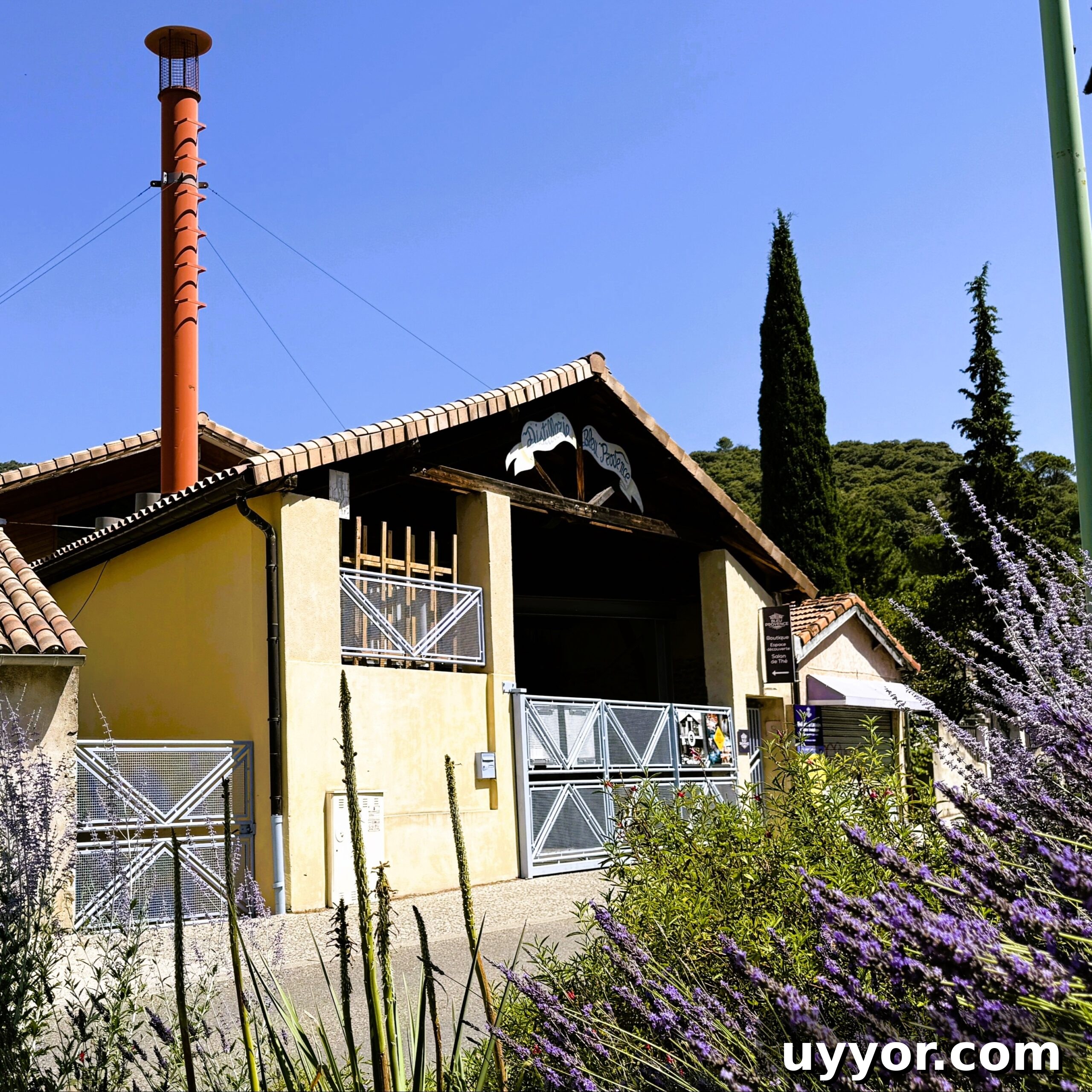
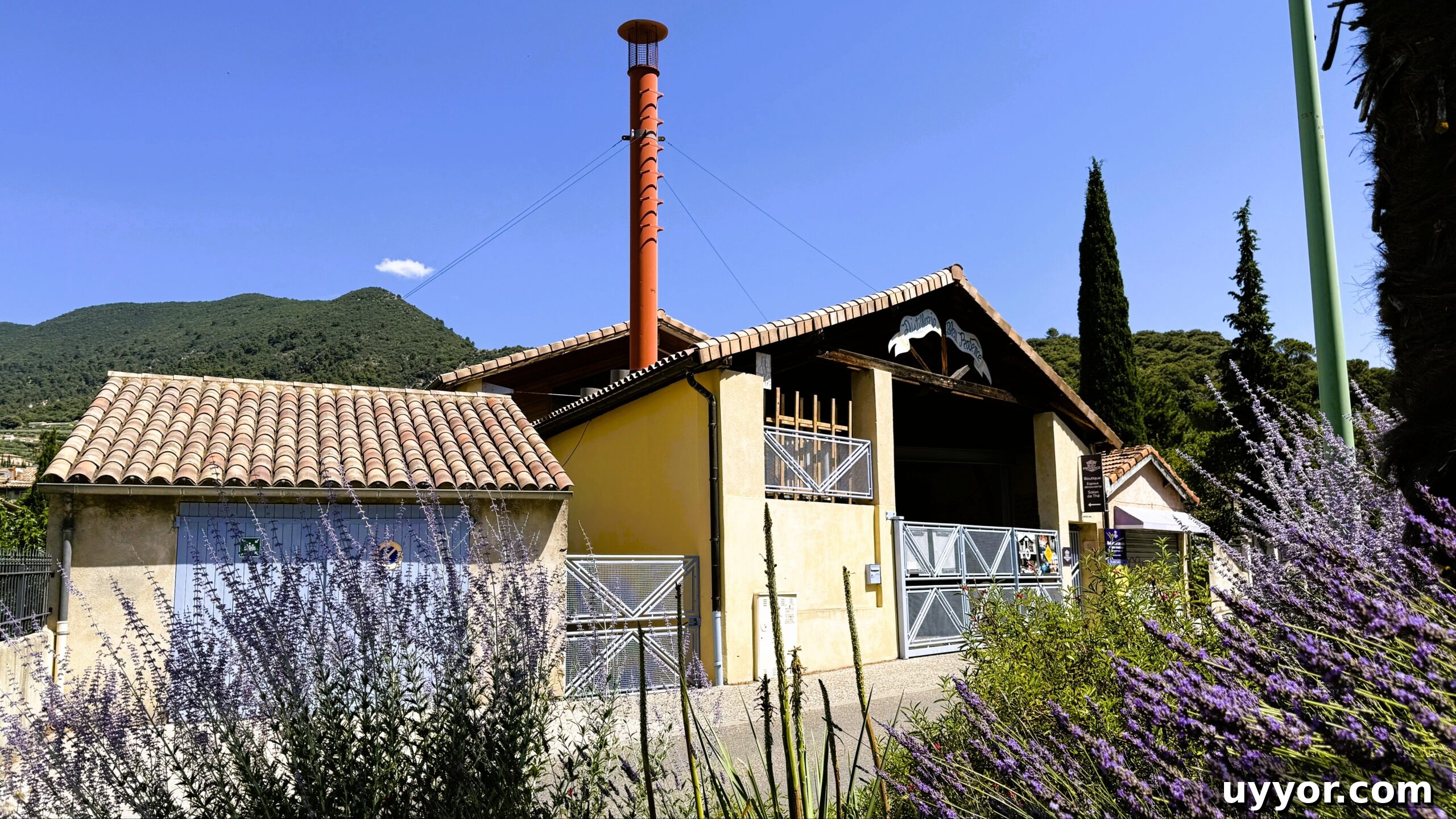
The sun presses down, the sky is a clear, searing blue, and the limestone soil crunches beneath my feet. Across the hills, ribbons of purple rise and fall with the contours of the land. From that sensory richness comes one of nature’s most elegant fragrances: lavender essential oil.
Table of contents:
- How lavender grows
- Propagating and harvesting lavender
- Distilling lavender essential oil
Day 1, morning: How lavender grows
In the hills of southern Provence I joined a two-day immersion led by Philippe Soguel and the team at Distillerie Bleu Provence. This family-run distillery produces organic, fair-trade essential oils and supplies lavender oil to Dr. Bronner’s. I explored fields and techniques with my husband Michael Milam, Dr. Bronner’s COO, our Special Ops team, and our 16-year-old daughter.
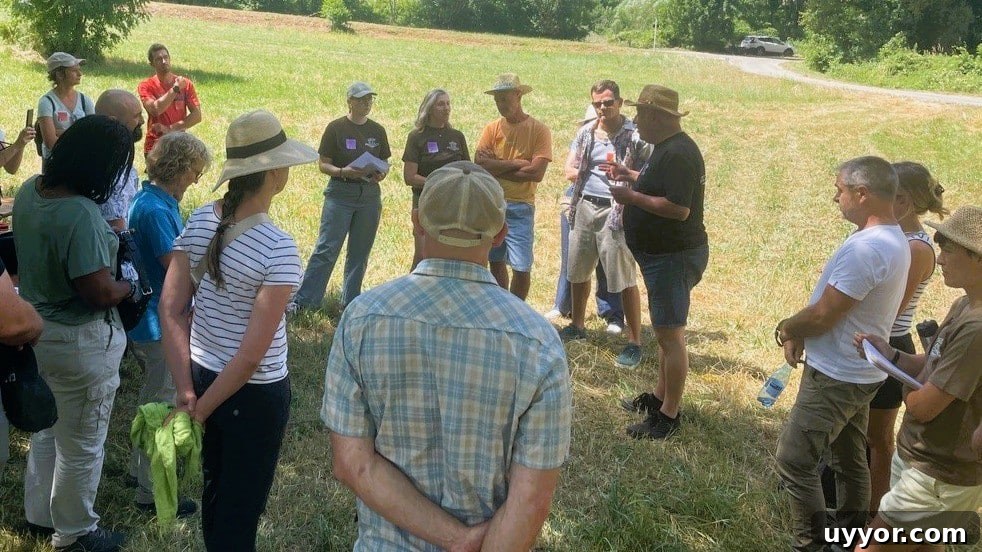
Standing in a circle of farmers on Jacques Laget’s farm, I picked up many insights about lavender:
- Fine lavender and the hybrid lavandin together occupy most of Provence’s essential-oil acreage.
- Family farms are often scattered across the landscape; growers expand where small plots become available, preserving a patchwork of long-inhabited land.
- Lavender stems are square, a trait shared with other aromatic plants in the Lamiaceae family such as mint, oregano, sage, and thyme.
- The plant name came before the color—lavender the plant lent its name to the pale purple hue (the same history applies to “orange”).
- The link between lavender and cleanliness goes back to the Latin lavare, “to wash.”
The long history of cultivating lavender
Lavender has woven through human history for millennia. Native to the Mediterranean, it thrives in hot, dry climates. Different species occupy different elevations and yield oils with distinct profiles.
Lavandula angustifolia—known as true or fine lavender—grows at higher altitudes and produces a sweet, highly prized scent used widely in perfumery. Lavandula latifolia grows lower and contains substantial camphor, making it useful for medicinal and therapeutic applications. Between them, the hybrid Lavandula × intermedia (lavandin) combines traits of both parents and produces two to three times more oil per hectare than fine lavender.
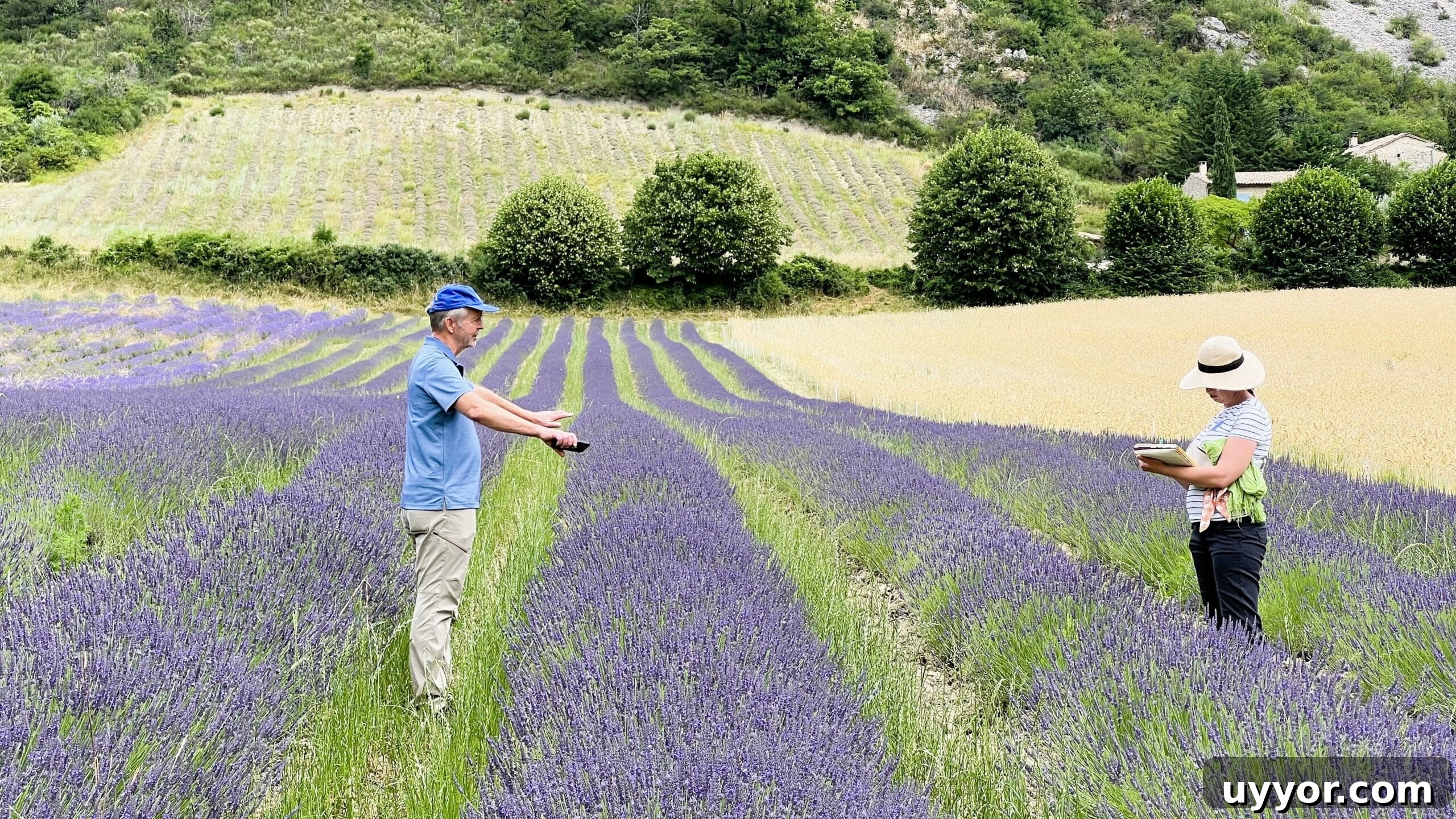
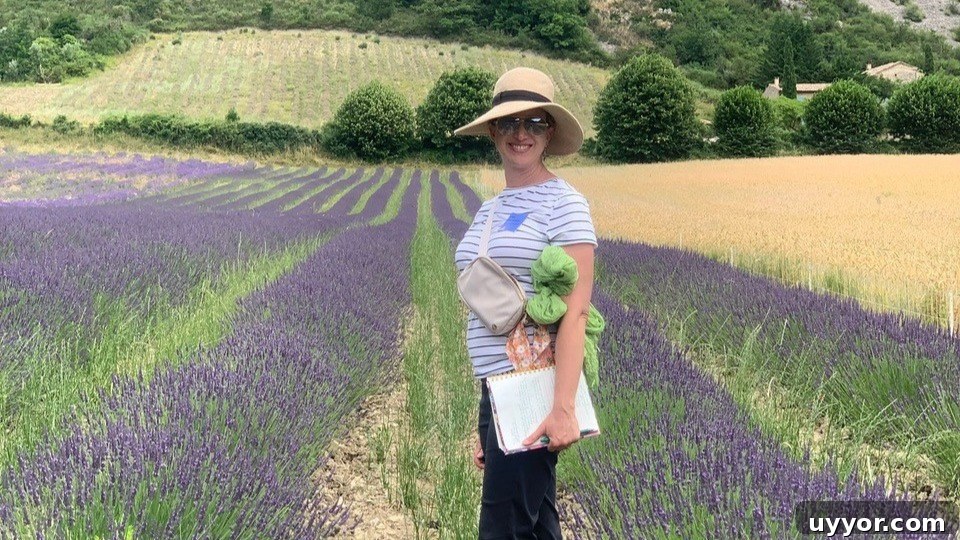
In France, nearly all non-hybrid lavender acreage is angustifolia, while lavandin dominates overall lavender production due to its high oil yield and hardiness. The field before me was lavandin, recognizable by its two side branches off the central flower spike; fine lavender shows a single straight spike.
The compounds in lavender essential oil
It was early in the season—late June—about a month before harvest. Farmers don’t watch the flower itself but the calyx, the small sac below the corolla that actually holds the essential oil. Lavender produces oil as a defense against evaporative water loss, so hotter conditions spur higher oil production; that’s why harvests often occur in the hottest part of the day during mid-summer.
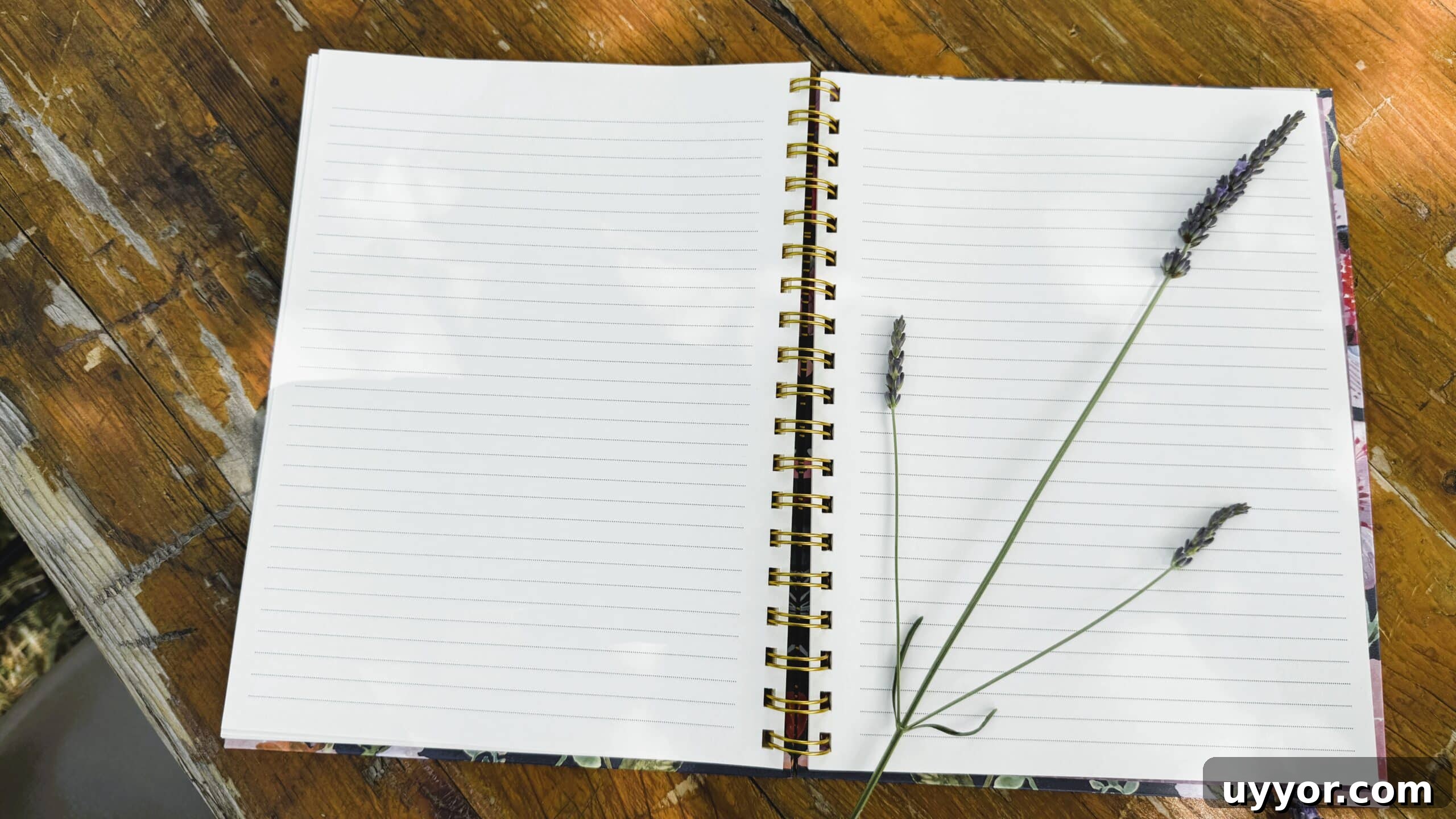
Lavender oil is a complex mix of compounds. In L. angustifolia, linalool and linalyl acetate dominate and create the familiar sweet, calming aroma. Lavandin carries more camphor, giving it a sharper, spicier edge. That mix—sweetness tempered by a punchy camphor note—explains the layered scent in products like Dr. Bronner’s Lavender Castile Soap, which blends true lavender with lavandin for a fuller profile.
Pursuing Regenerative Organic Certification in the lavender fields
Farmers in the region are pursuing Regenerative Organic Certification (ROC™), which emphasizes rebuilding soil health alongside fair trade and animal welfare. Provence’s rocky limestone soils have little organic matter. To rebuild fertility, farmers plant cover crops during fallow years and use mulches and between-row plantings to prevent erosion and retain moisture.
Measured organic matter in these soils can be as low as 0.8%. Restoring a healthy baseline requires large inputs: roughly 80 metric tons of plant material plowed into each hectare. One farmer who sowed three rounds of alfalfa between lavender rows per year raised organic matter by 1% over four years—an excellent but slow progression toward healthier soil.
Day 1, afternoon: Propagating & harvesting lavender
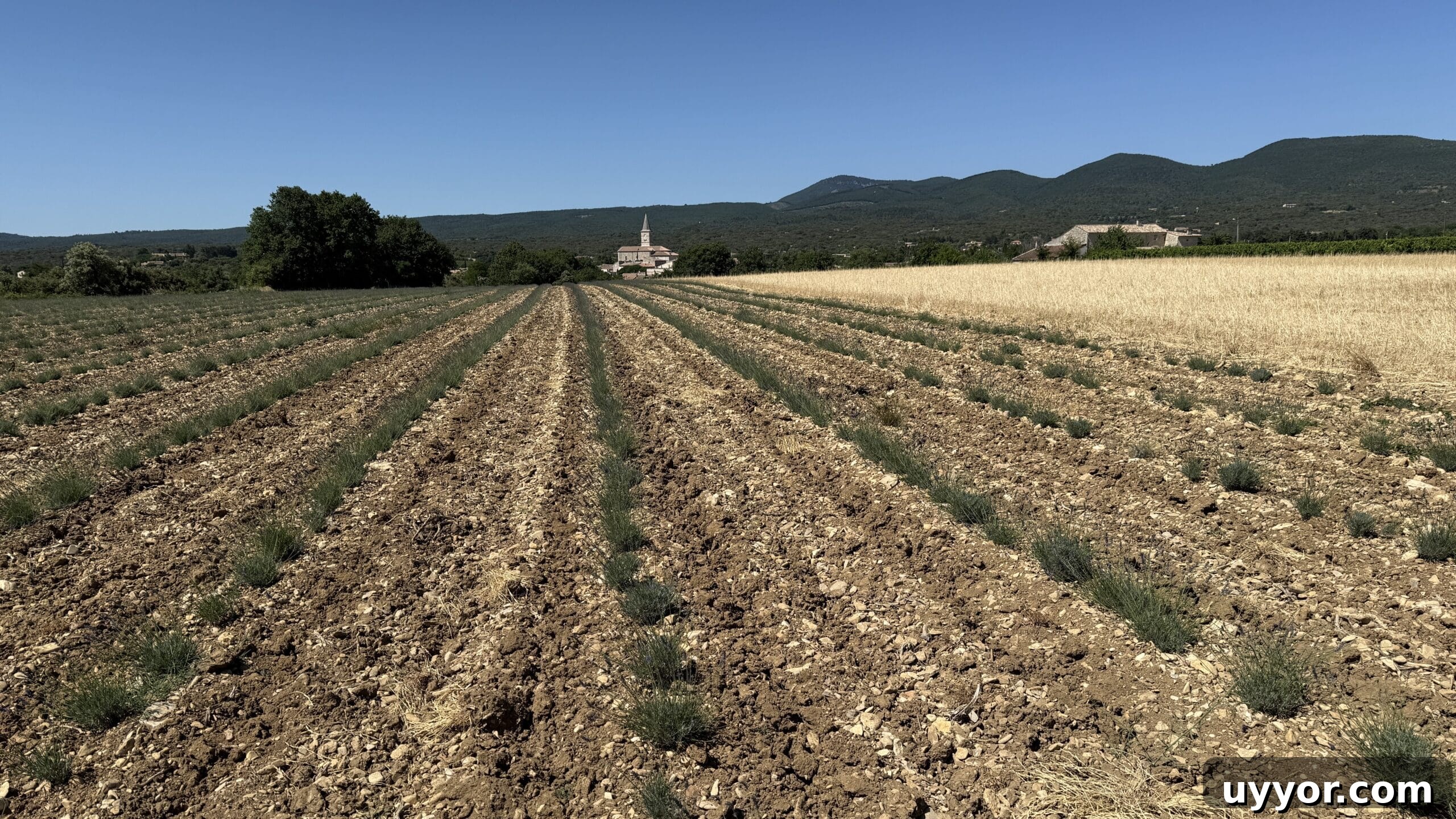
After an alfresco lunch, we followed Distillerie Bleu’s agronomists as they led us to fields and a lavandin nursery. We stopped at seemingly inhospitable rocky ground and learned that lavandin thrives in such terrain—resilient and well adapted to the hot, dry conditions.
Propagating lavender plants
Fine lavender can be propagated by seed (population lavender) or by cuttings (clonal lavender). Seed-grown population lavender yields a range of colors and fragrances and is eligible for the AOP designation, which certifies origin and production methods. Clonal propagation produces genetically identical plants with predictable traits and faster maturity—first harvest in around 18 months versus 3–4 years for seed-grown plants.
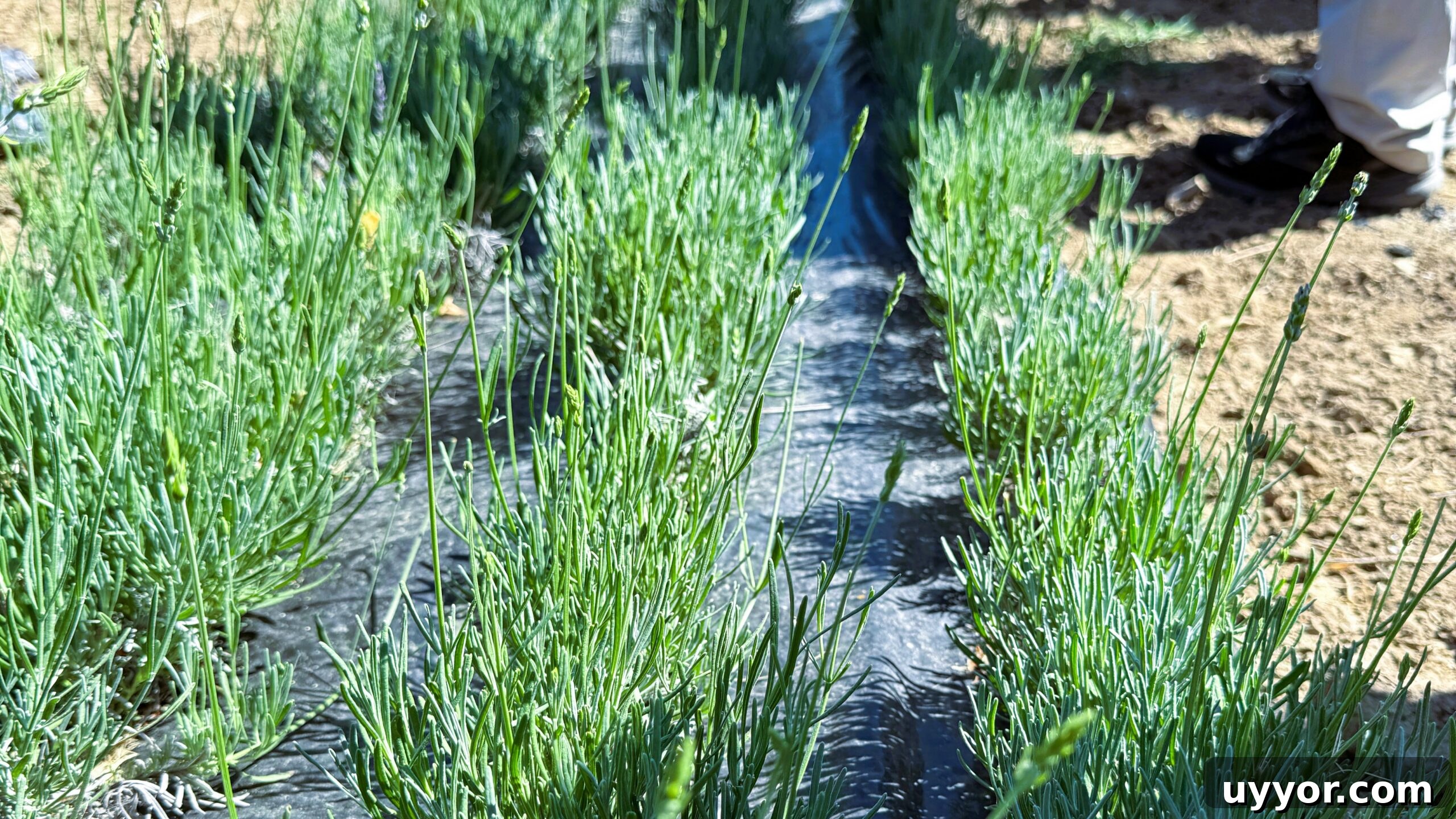
Lavandin is sterile and cannot reproduce by seed; it must be reproduced by cuttings. Farmers like Bastien Long take 8-inch cuttings from adult lavandin plants, root thousands of them in nurseries, and later transplant them into fields. It takes roughly 30,000 cuttings to plant one hectare. Though nursery work is intensive, lavandin’s higher oil yield—two to three times that of fine lavender—makes the effort worthwhile.
Harvesting lavender flowers
Plants are perennial and fields typically remain productive for 7–10 years before plants become too large for mechanical harvesters. Allowing fields to rest for a year or two—planting cover crops such as legumes or clover and then plowing them in—helps rebuild nutrient density and moisture in the soil.
Harvesting must be precise: only the soft, recent growth should be removed. Cutting into the woody base risks damaging the plant and reducing future blooms.
Innovations in harvesting with L’Espieur harvester
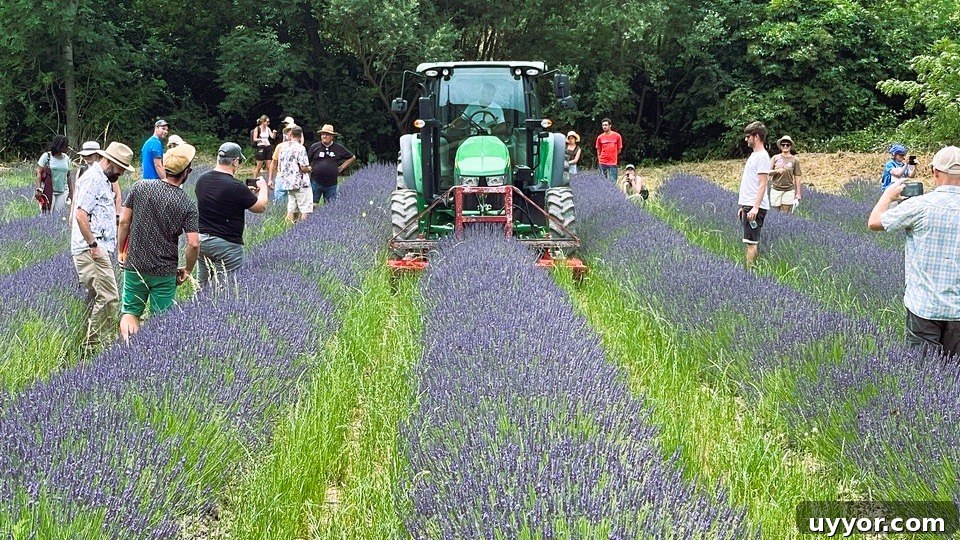
Because lavender cultivation is a relatively niche agricultural sector, farmers collaborate with local machinists to create specialized equipment. The Espieur harvester is one such innovation: it lacks center blades so plants pass beneath intact, and its modified blades comb and cut the young flower heads, leaving stems crushed between rows as mulch. By collecting mostly flowers, farmers maximize truck capacity, reduce fuel use, and increase oil yield per batch. Fewer stems in steam pots also speeds processing and lowers energy and water needs during distillation.
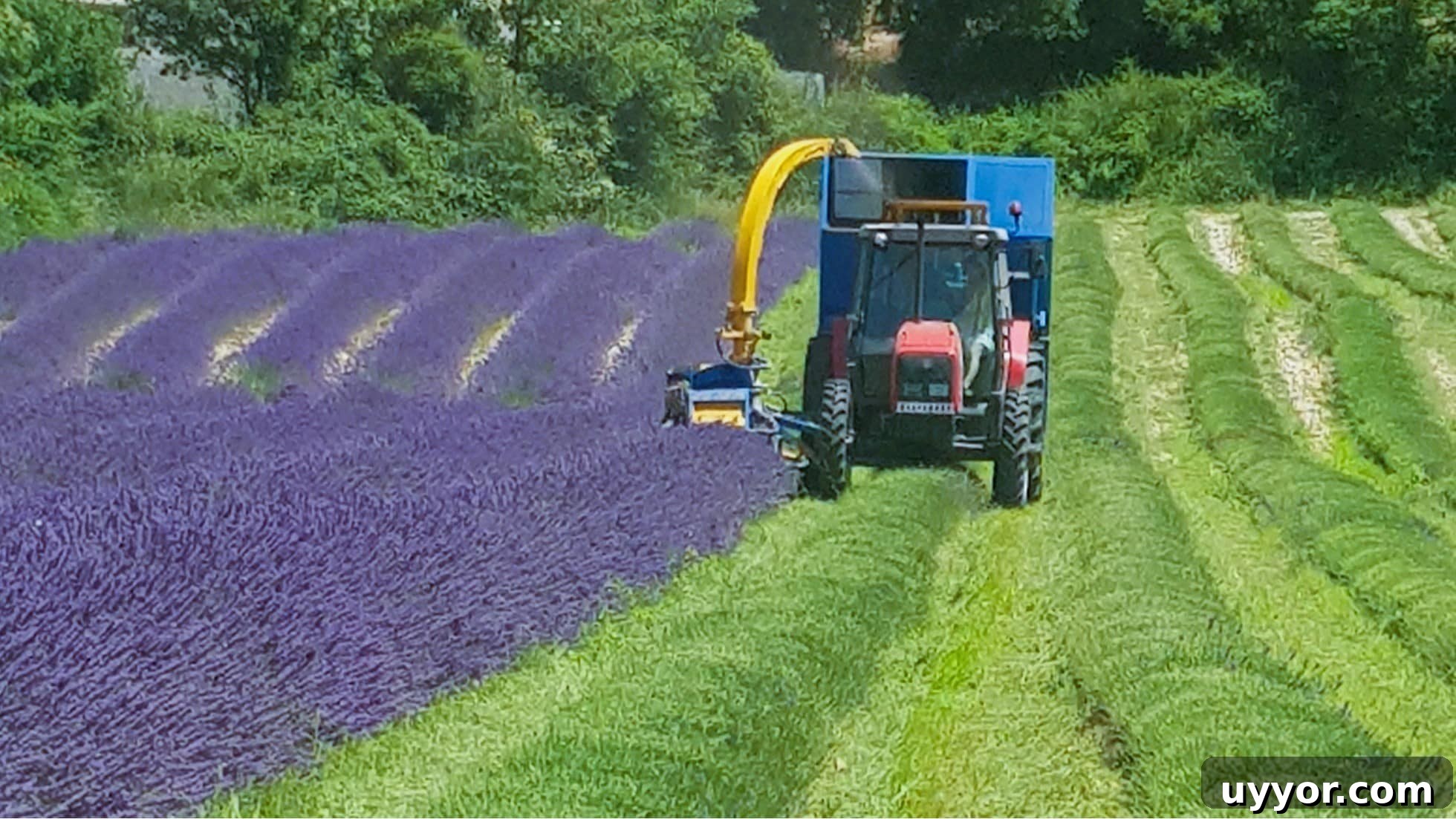
Harvest machines operate slowly to give bees time to move away; some harvesters also feature a brush rod to dislodge bees gently before cutting.
Day 2: Distilling lavender essential oil
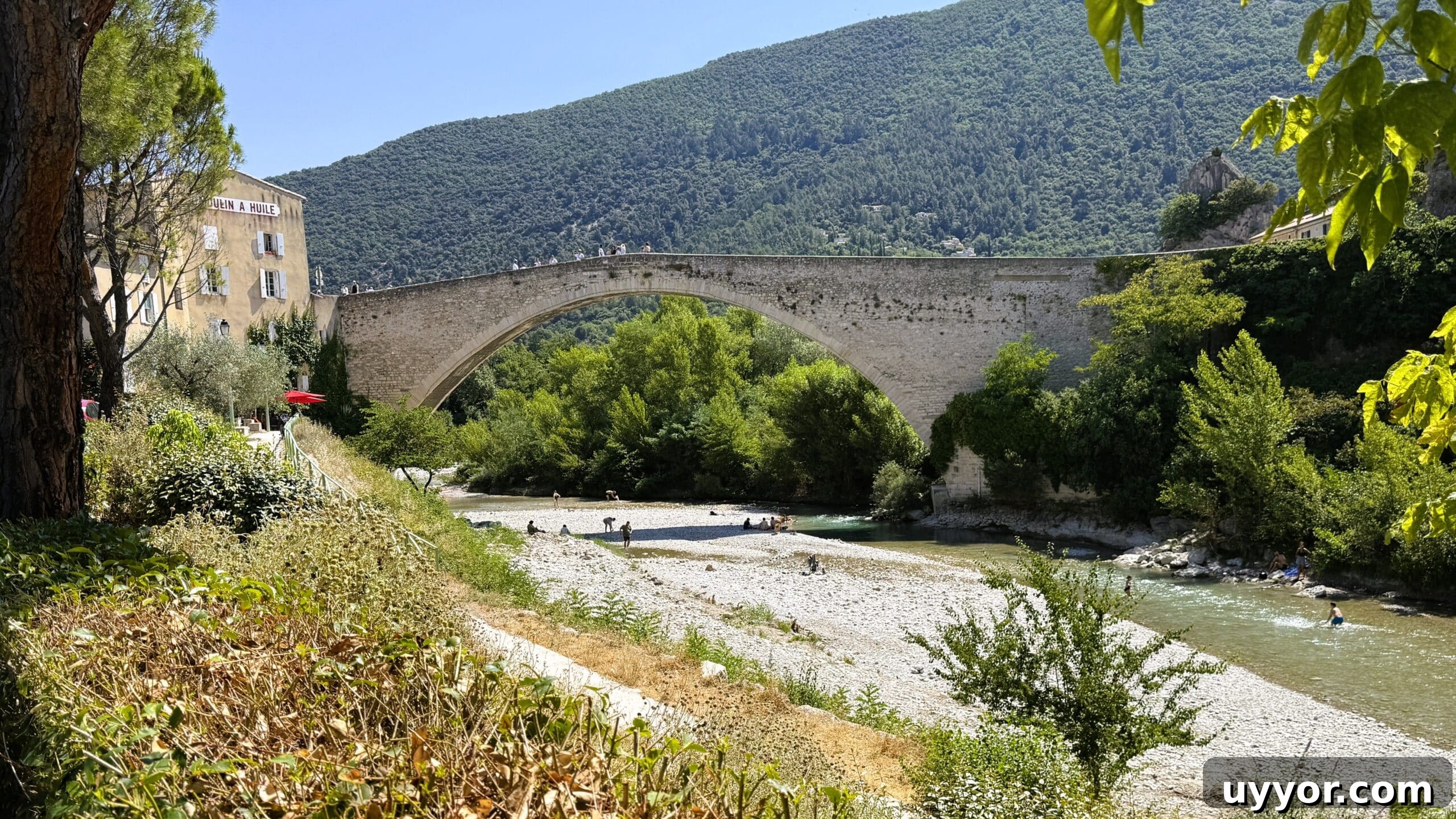
The following day we visited Distillerie Bleu Provence in Nyons. The distillery sits near the Eygues River, in a town with a lively market and an enduring medieval bridge that speaks to centuries of local craftsmanship.
Distillerie Bleu distills many types of essential oils
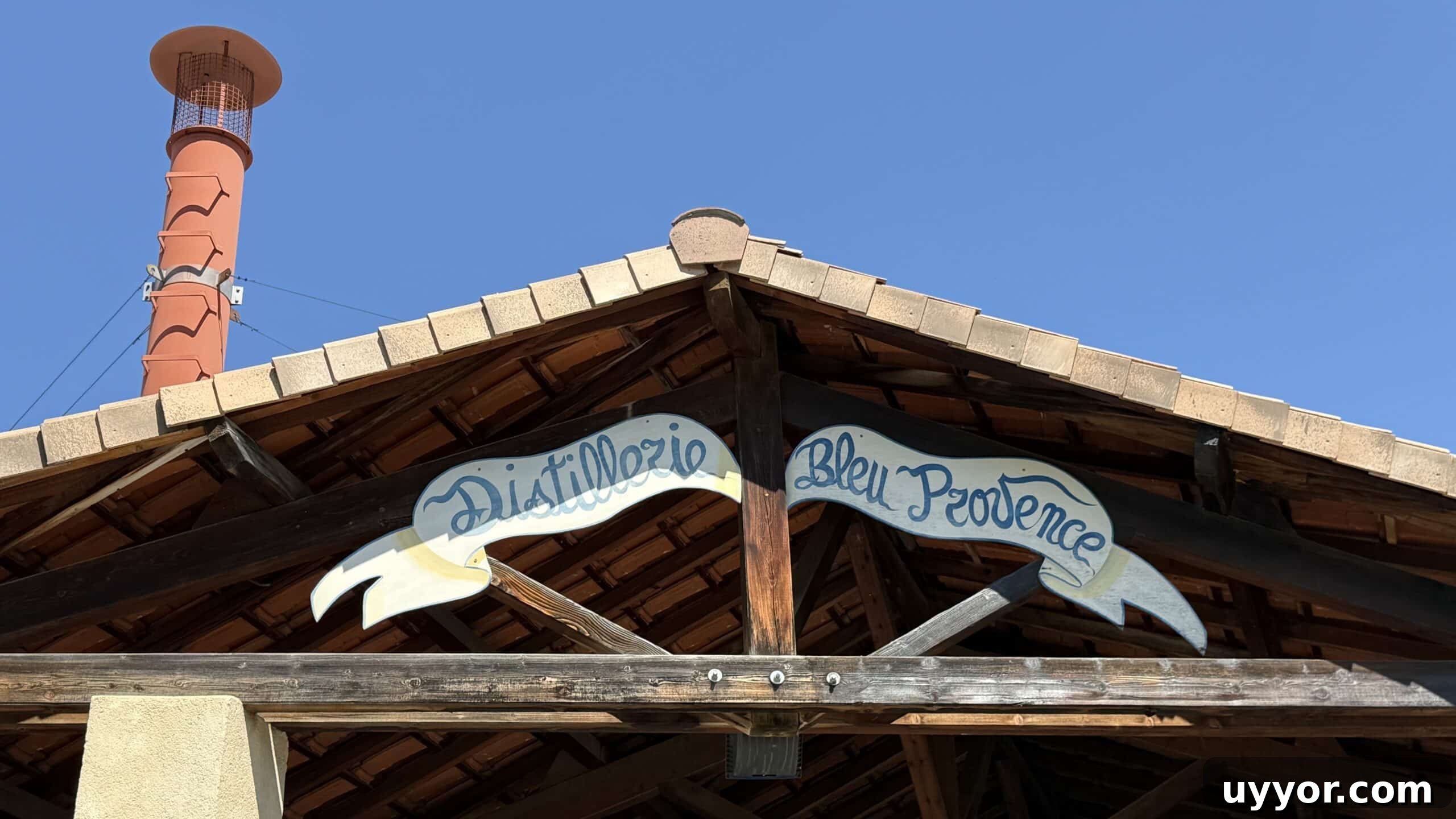
As we approached the distillery, the scent of oregano being distilled filled the air—a reminder that the facility processes a variety of aromatic plants. Distillerie Bleu runs workshops, produces oils for sale, and works closely with local growers to distill herbs, lavenders, and other botanicals.
The process of steam distilling lavender essential oil
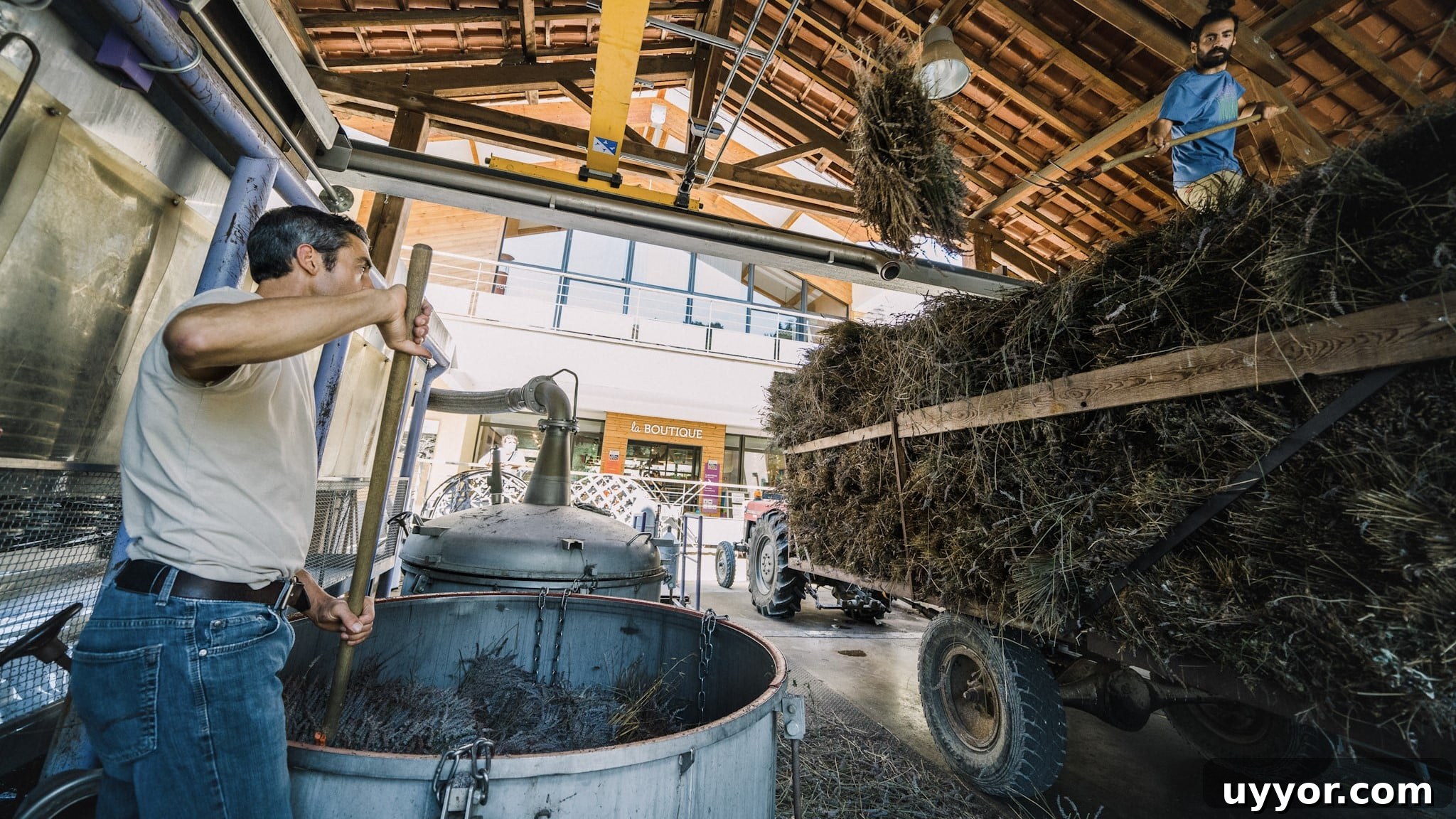
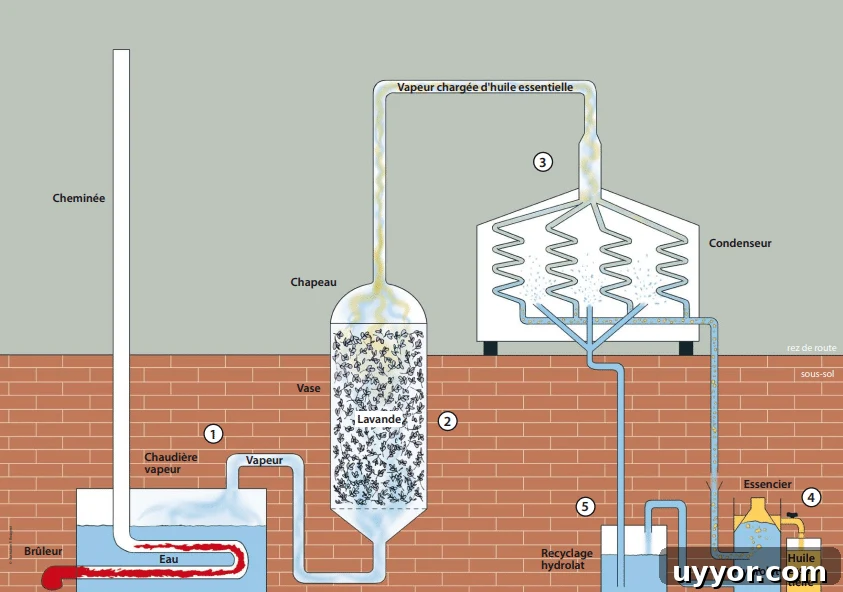
Steam distillation is an ancient technique refined over millennia. At the distillery, farmers tip truckloads of plant matter into large stainless-steel steam pots built into the floor. Technicians pack the plant material and seal the pots. Steam at roughly one metric ton per hour is injected from below, heating the plants and vaporizing their oils.
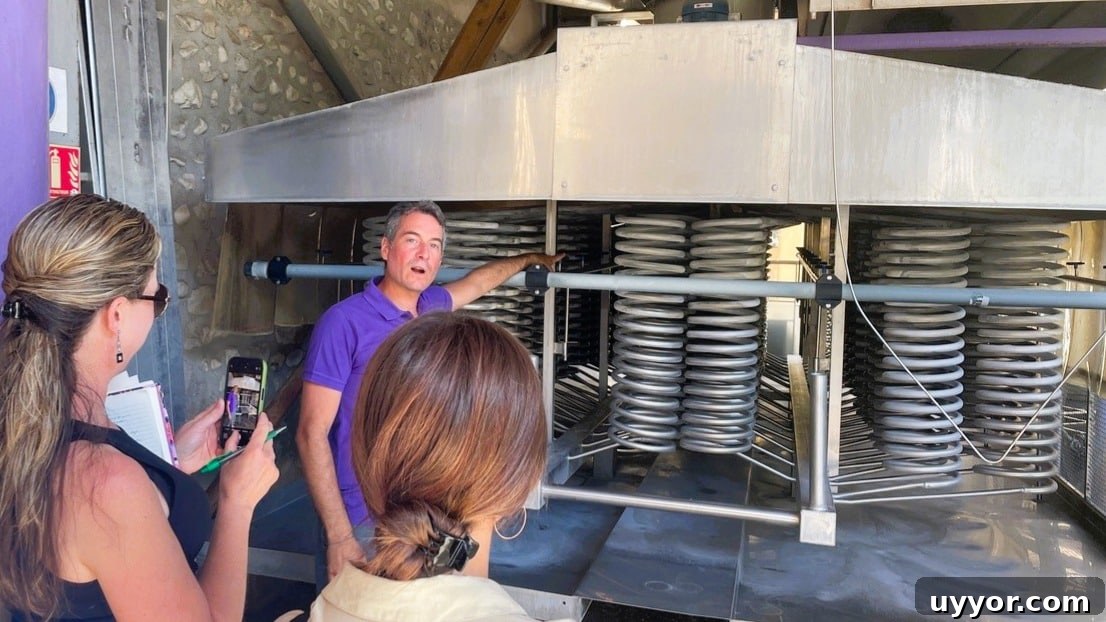
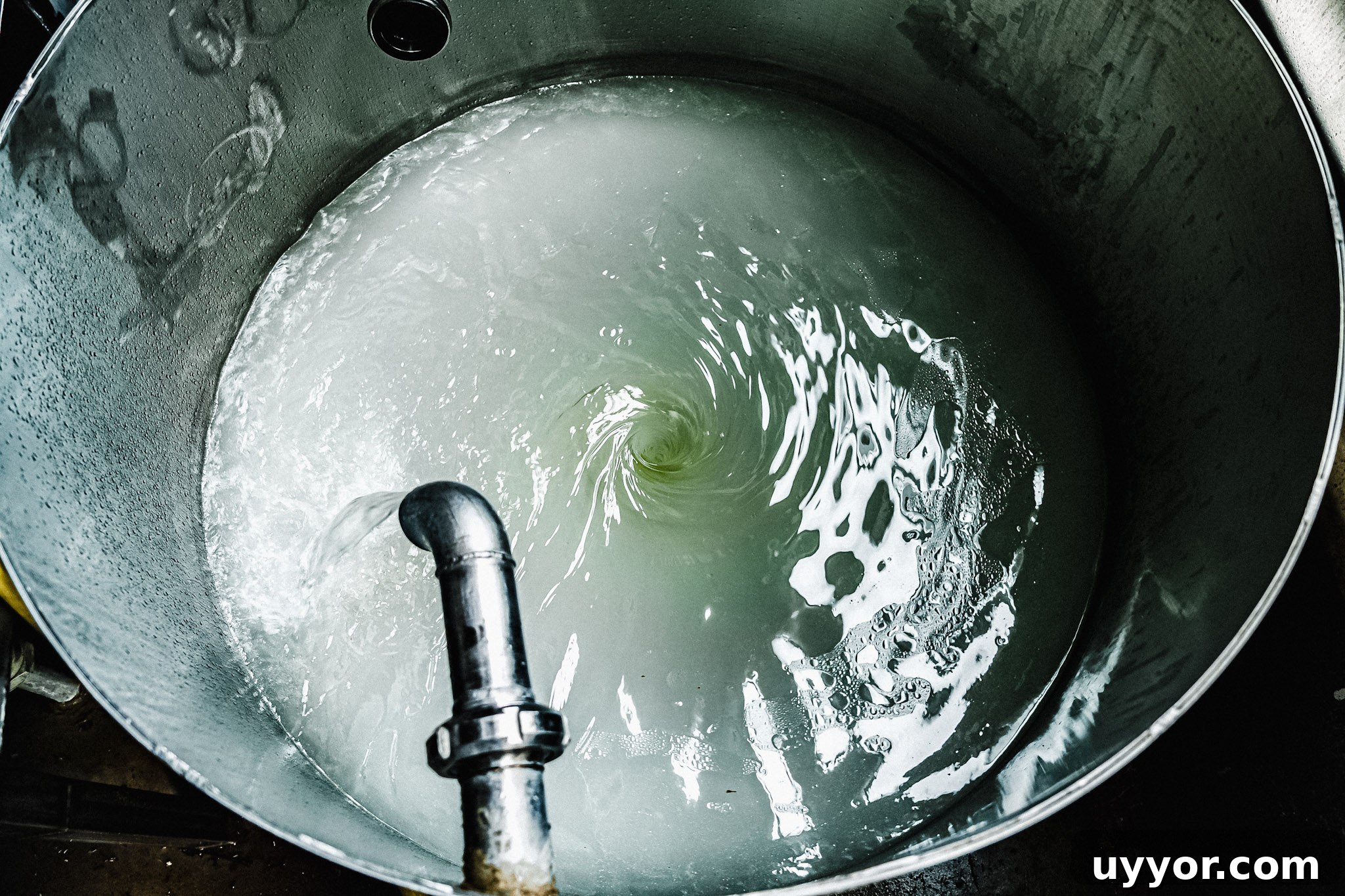
Vapor carrying oil rises into condenser coils. Water is sprayed over the coils to induce evaporative cooling, bringing the vapor down to an ideal temperature so it condenses into liquid. The oil-and-water mixture drains into a cellar vessel where gravity separates the lighter oil from the denser water. The oil flows out through a spout, is filtered, and is ready for bottling—either in small vials or in large totes for shipment.
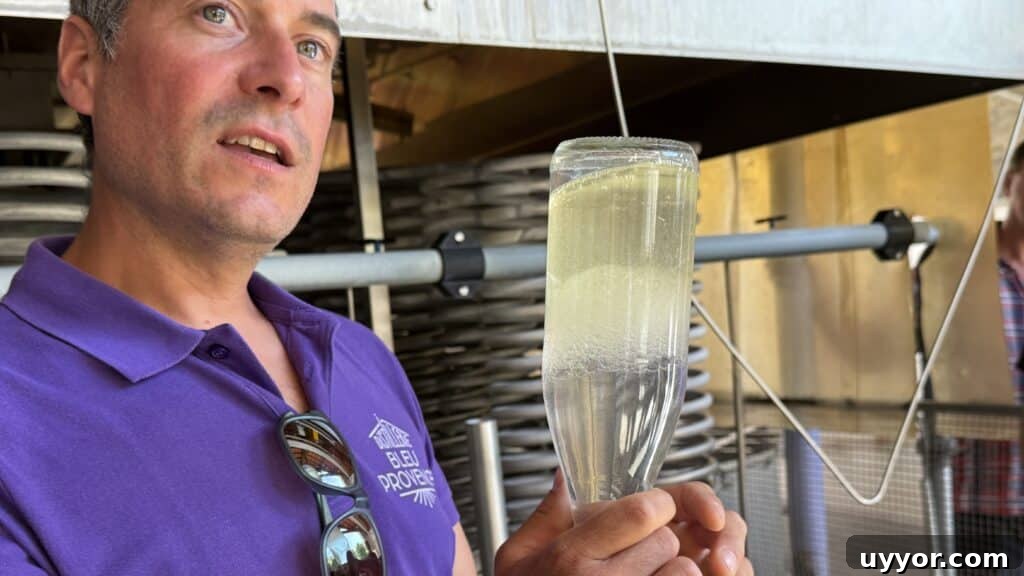
Yields vary by species and harvesting method. True lavender typically yields around 10 kg of oil per batch, while lavandin yields 20–30 kg. Using the Espieur harvester to collect mostly flowers can increase yields two- to threefold because less stem material reduces volume and processing time in the steam pots.
There is no waste in steam distillation of essential oils
The process is circular: spent plant matter returns to farms as compost to build soil organic matter, and the separated water—the hydrosol—retains plant compounds and is used either as a cosmetic ingredient (if organic) or recycled for evaporative cooling in subsequent distillation runs. This efficient reuse supports regenerative practices and reduces resource waste.
Steam distillation harnesses natural forces
Steam distillation works with natural physics—heat to vaporize, evaporative cooling to condense, and gravity to separate—guided by technicians who balance temperatures and flows. The process is elegant in its simplicity, echoing ancient practices like saponification that remain at the heart of traditional craft while benefiting from modern improvements in efficiency and sustainability.
Back home with my lavender soap
Back at Dr. Bronner’s in Vista, CA, I watched lavender totes arrive as ingredients for soaps, lotions, and other products. Lavender remains one of the brand’s most popular scents, appearing across bar and liquid soap, body care, and sanitizers. Carrying a few vials of L. angustifolia home from Distillerie Bleu’s shop, I now picture the full journey of each drop—the plant that grew it, the farmers who tended it, the technicians who distilled it, and the hands that bottled it. That connection deepens the scent’s meaning and makes it feel even richer.
Enjoy this video from Distillerie Bleu showing lavender’s journey from field to distillery.
Further reading
- My Favorites – Get to know the 8 Castile Soap Scents
- Why Does Peppermint Oil Make Us Feel Cold? And Other Minty Fun Facts
- The History of Castile Soap