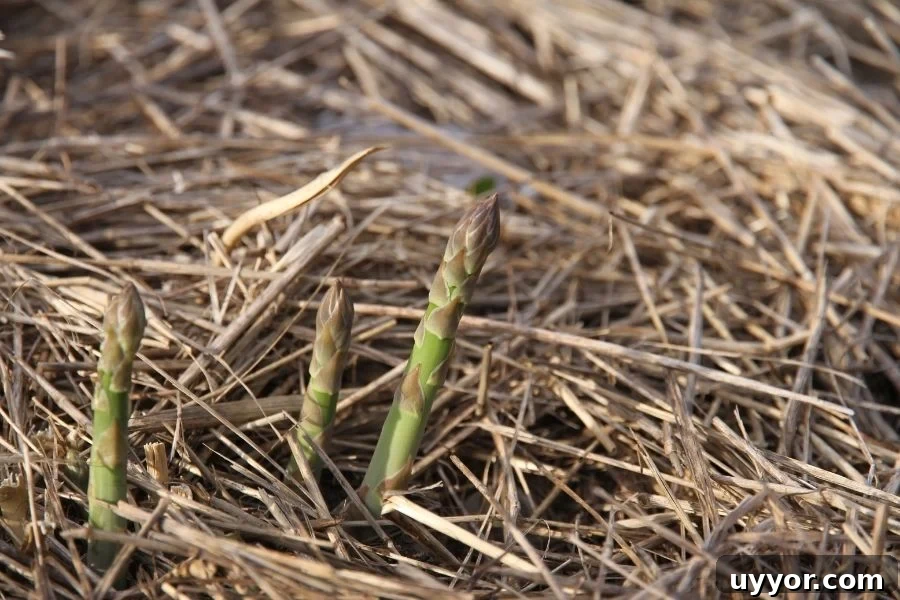
Here’s a straightforward guide to planting asparagus crowns in spring so you can establish this long-lived perennial in your garden and enjoy a reliable harvest for years to come.
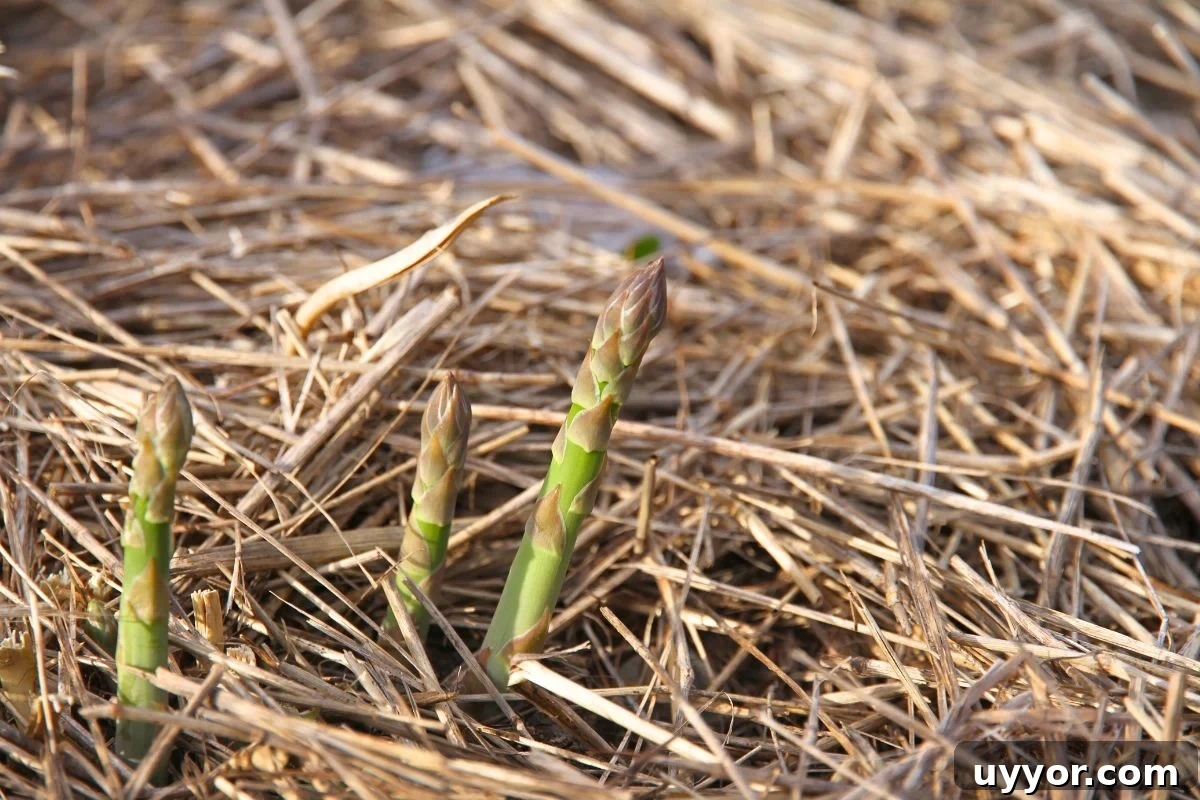
Asparagus is an easy-to-grow perennial that rewards patient gardeners. Mulching in early spring suppresses weeds and retains moisture, which reduces the work required throughout the season. Once established, asparagus beds are low-maintenance and produce year after year.
We enjoy sautéing fresh spears in butter or adding them to omelettes. The tender stalks are also simple to preserve: you can refrigerate fresh asparagus for short-term use, freeze spears for later roasting, or can pickled asparagus for a tangy winter treat.
Keep in mind that asparagus requires space. It takes up more garden real estate than many annual vegetables and develops an extensive root system, but it delivers an early spring harvest and continues producing for decades when properly cared for.
Asparagus Facts
Useful points to know before planting:
- Varieties include green, purple and white asparagus (white requires blanching techniques).
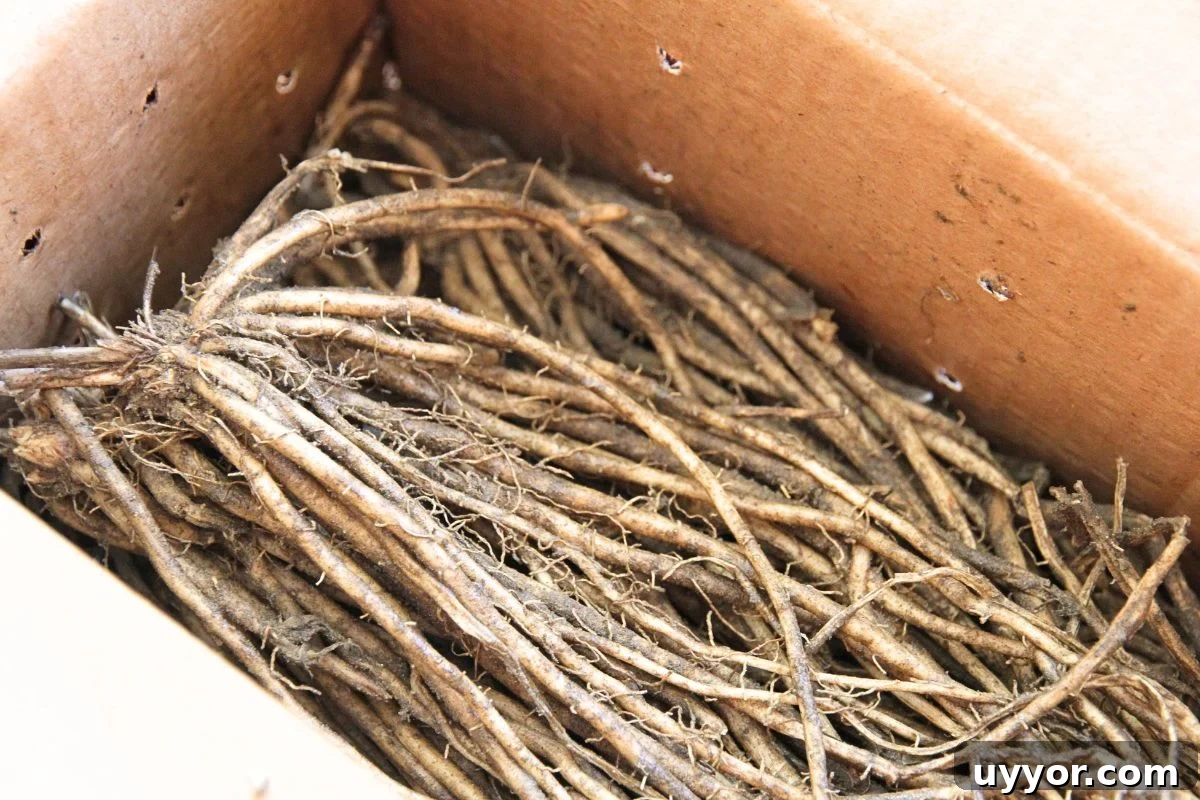
- Asparagus is commonly sold as 2-year-old bare-root crowns rather than seed.
- Each crown grows into either a male or a female plant, not both.
- Female plants tend to be wispy; male plants are more robust and productive.
- Commercial growers typically sell male crowns because of their higher yields.
- New crowns follow a conservative harvest schedule until their third spring to allow plants to establish.
- After the harvest season, asparagus forms tall, fern-like foliage that can reach 5–6 feet.
How to Tell If You Have Garden Space for Asparagus
Asparagus needs room for its extensive root system. Space crowns 18 inches apart in a single row, and allow at least 2 feet of clear area on either side of the row. For example, 20 crowns require roughly a 30 ft long by 4 ft wide bed. Evaluate your garden realistically before committing the space.
Number of Asparagus Plants per Person
For fresh spring eating, plan on 10–12 crowns per person. If you also want to preserve asparagus, aim for about 20 crowns per person to ensure a surplus for canning or freezing.
Where to Buy Bare Root Crowns
Bare-root asparagus is sometimes available at local garden centers in early spring, but many gardeners order crowns from seed and plant suppliers. Reputable seed companies typically sell crowns along with other root crops and seed potatoes.
Best Way to Store Asparagus Crowns Before Planting
If crowns arrive before your soil is ready, store them carefully to keep them alive:
- Inspect crowns on arrival for firmness and moisture.
- If roots look dry, lightly mist them to maintain humidity.
- Close the shipping box without sealing it completely to allow airflow.
- Store in a cool, dark place such as a refrigerator, root cellar or cool room.
- Check every few days to ensure roots remain plump and slightly moist.
When to Plant Asparagus
Plant crowns in early spring when the ground is workable and not waterlogged. Ideally, plant within a few weeks of delivery, but store crowns as described if planting must be delayed.
Where to Plant Asparagus
Choose a sunny, well-drained location. Asparagus does well in raised beds or mounded soil, especially where native soil is heavy clay or rocky. Loose, loamy soil improves drainage and root development. In my garden I mounded soil into 4 ft wide beds about 12 inches high, covered with mulch to prevent erosion, and the asparagus has thrived.
Guide to Planting Asparagus
Step 1 – Prepare Your Garden Beds
Asparagus are heavy feeders. Incorporate organic matter or a balanced organic fertilizer into the bed before planting. Loosen soil to about 12 inches with a broad fork or pitchfork. If digging deeply is difficult, create raised mounds of good soil to reach the recommended depth. Loose soil encourages proper drainage and root growth.
Step 2 – Dig a Trench or Holes
Space crowns to give them room to spread. You may plant in a trench or in individual holes.
Depth: dig trenches or holes about 10 inches deep so the top of each crown ends up 6–8 inches below the soil surface.
Single row spacing: 18 inches between crowns.
Multiple rows: allow at least 36 inches between rows.
Providing adequate space will let crowns expand and produce well for many seasons.
Step 3 – Plant Your Asparagus Crowns
Plant crowns carefully rather than dropping them in like potatoes. Follow these steps:
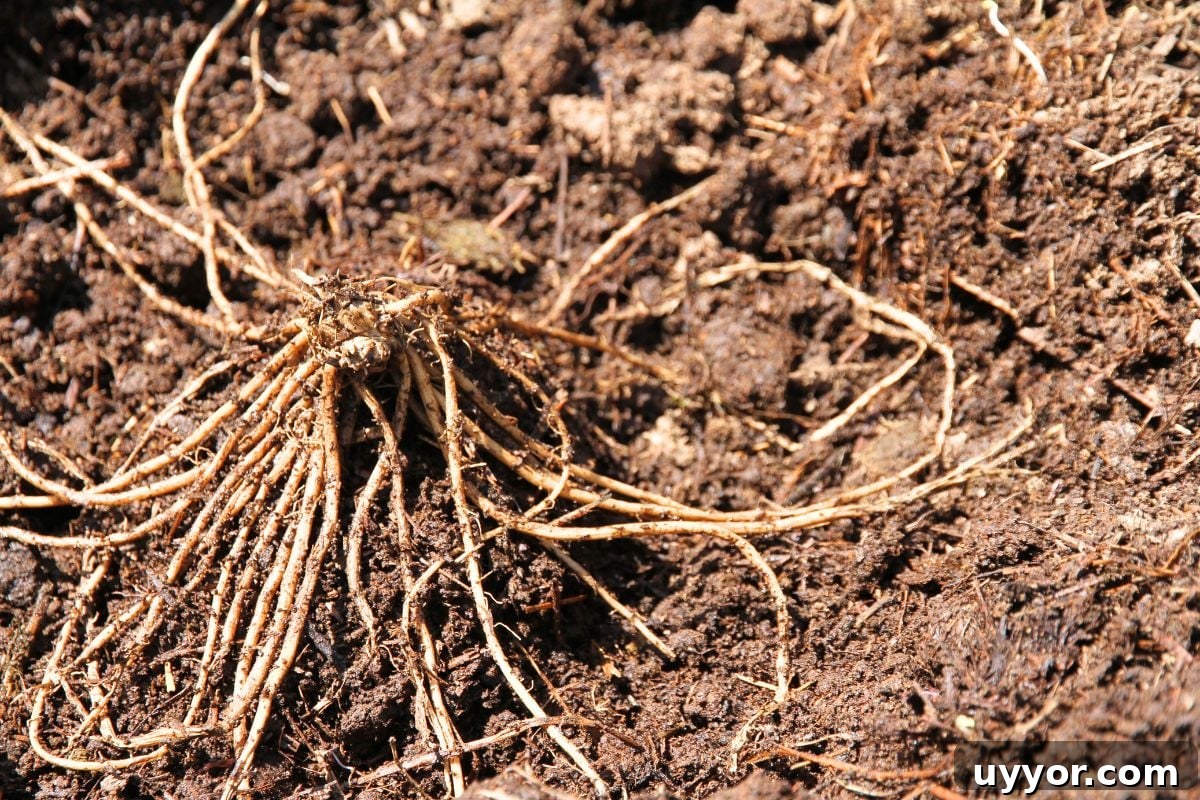
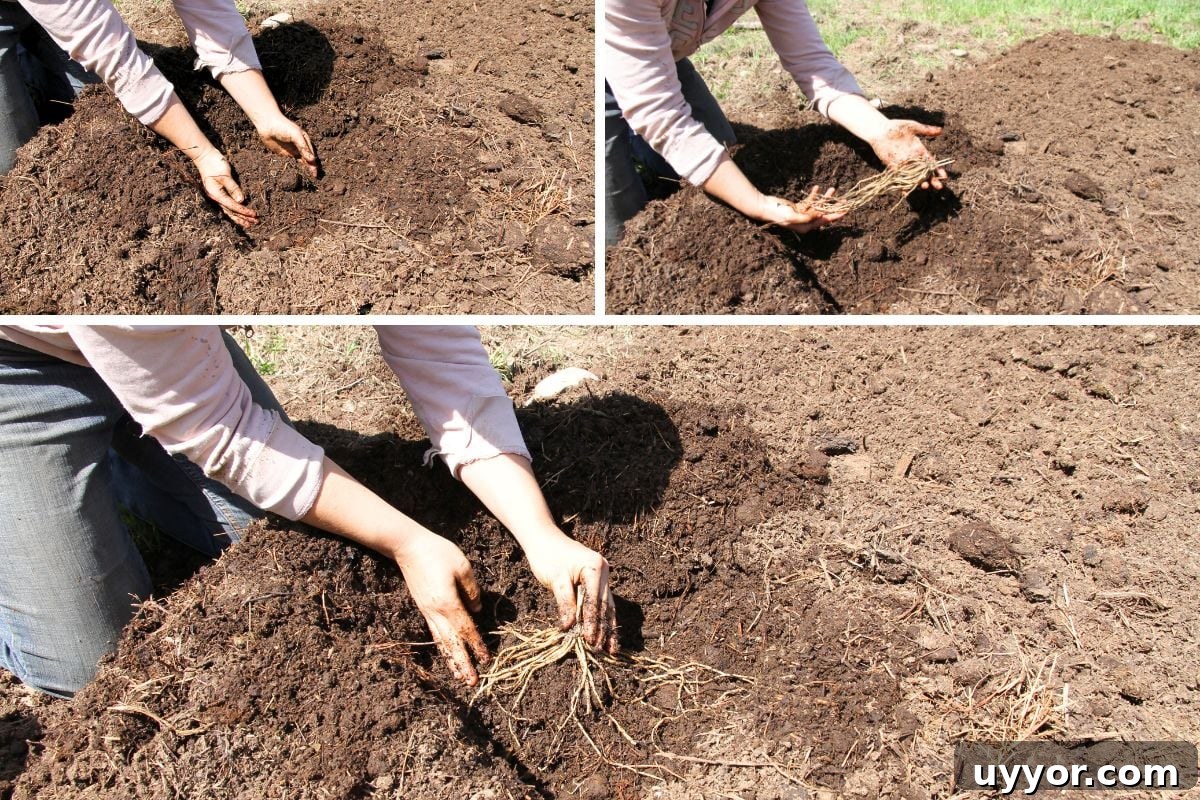
- Create a small 5–6 inch high mound in the trench at intervals of 18 inches.
- Drape one crown over each mound.
- Spread roots outward in all directions to encourage a broad root system.
- Backfill with soil until crowns are covered by 6–8 inches.
- Do not compact the soil over the crowns; asparagus prefers loose, well-aerated earth.
Step 4 – Mulch the Entire Garden Bed
Apply 3–4 inches of straw mulch over the bed after planting. Straw is light, allows spears to emerge easily, and effectively suppresses weeds.
Step 5 – Water and Harvest at the Proper Times
Water thoroughly after planting, then be patient. Young shoots may take some time to appear. Follow a conservative harvest schedule during the first years to ensure healthy, productive crowns.
Harvest Periods by Year
First Spring
Do not harvest during the first spring. Allow plants to establish so they develop a strong root system and future production is not compromised.
Second Spring
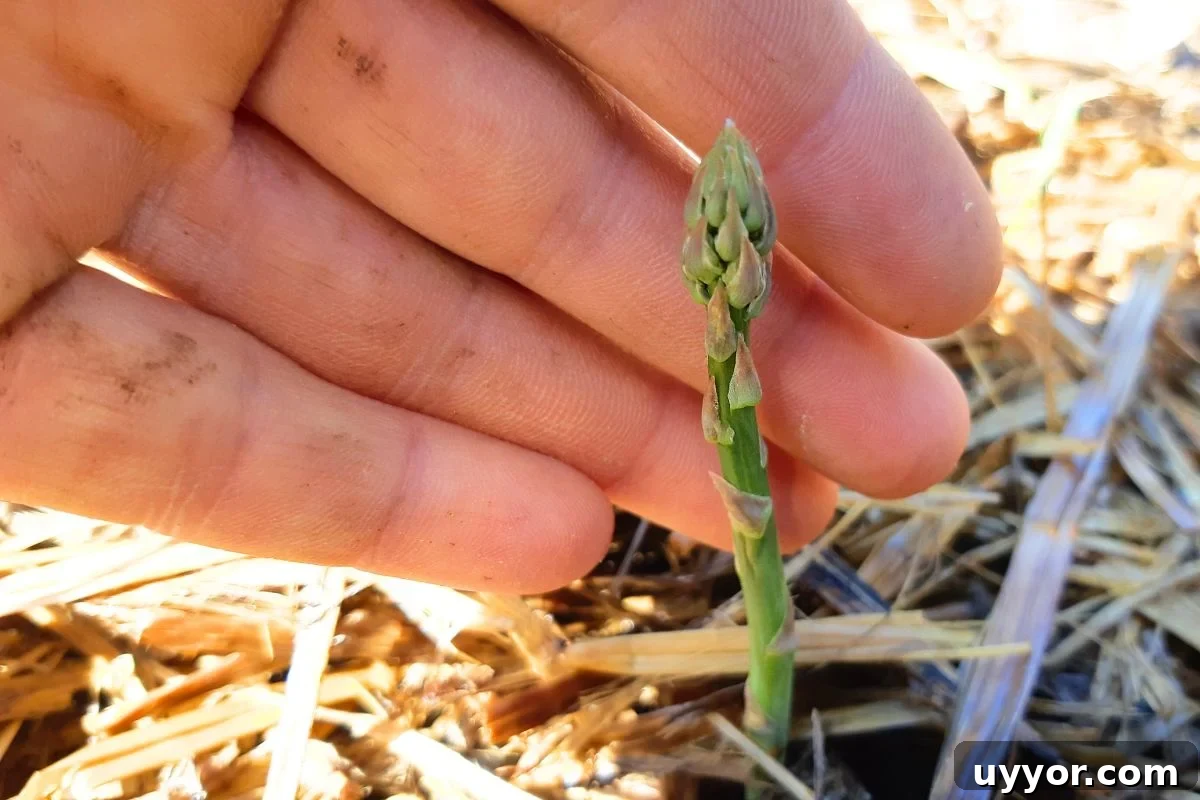
In the second spring you may harvest lightly for up to three weeks. Cut spears at ground level with a sharp knife and avoid over-harvesting so the crowns continue to strengthen.
Third Spring
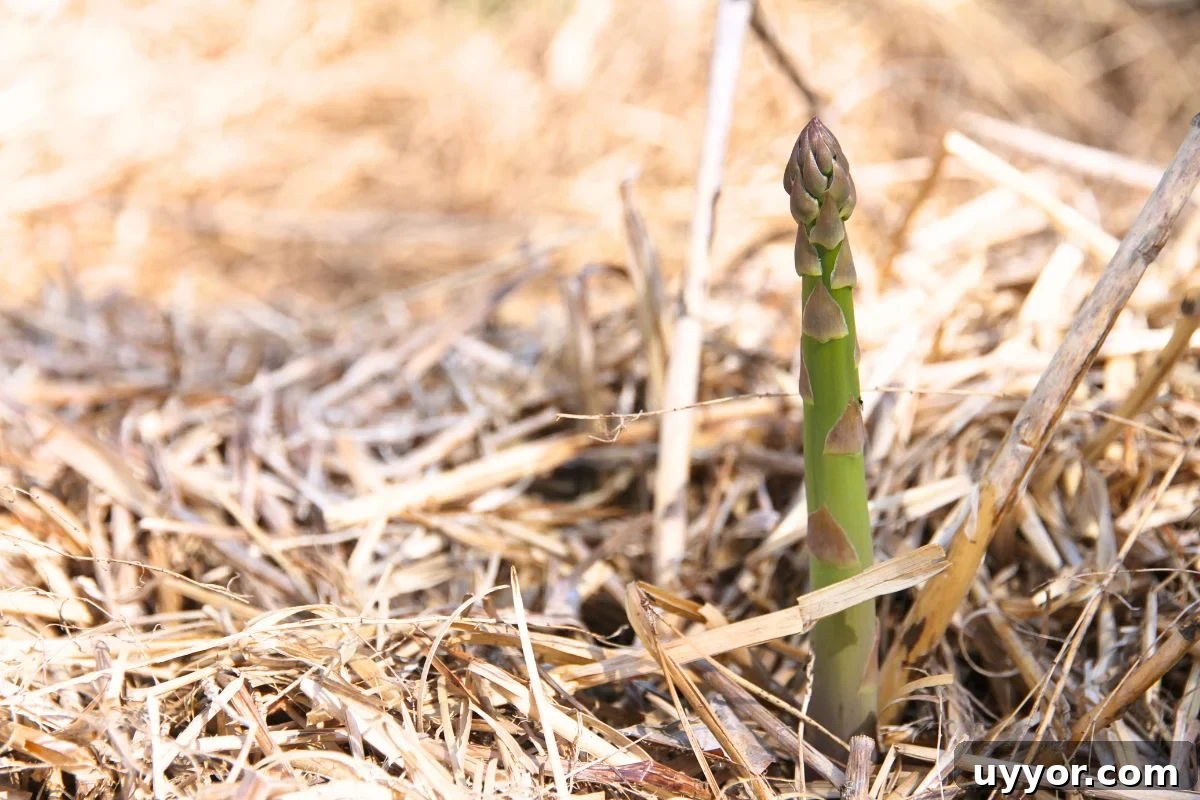
By the third spring, if plants are healthy, harvest for approximately 6–8 weeks. After this period, stop harvesting and allow the ferns to grow, support plant energy storage for the next season.
Common Questions
Can I start asparagus from seed?
Yes. Growing from seed is possible, but seed-grown asparagus takes 3–4 years to reach full production, so most gardeners opt for 2-year-old crowns for quicker results.
How long will my asparagus live?
With proper care and good site selection, asparagus can produce for 20–40 years. It’s a long-term investment well suited to a dedicated garden space.
Do I need to add organic matter or fertilizer?
Yes. Add 1–2 inches of compost or organic matter each spring before spears emerge to maintain soil fertility and plant health.
When should I mulch asparagus beds?
For new beds, mulch immediately after planting to block weeds. For established beds, mulch after spring fertilization to conserve moisture and suppress weeds.
Can I use something other than straw for mulch?
Yes. Well-rotted hay, dry grass clippings, or shredded leaves work well—ensure materials are free of persistent weed seeds and fully decomposed if using hay.
Is it possible to divide older plants?
Yes, mature asparagus crowns can be divided when plants slow production. Divide in early spring before shoots emerge to rejuvenate crowded beds.
More on Homegrown Asparagus
How to Keep Asparagus Fresh in the Fridge
Pickled Asparagus Canning Recipe
How to Freeze Fresh Asparagus
How to Roast Frozen Asparagus in the Oven
More on Vegetable Gardening:
[pt_view id=”b55370cw6h”]