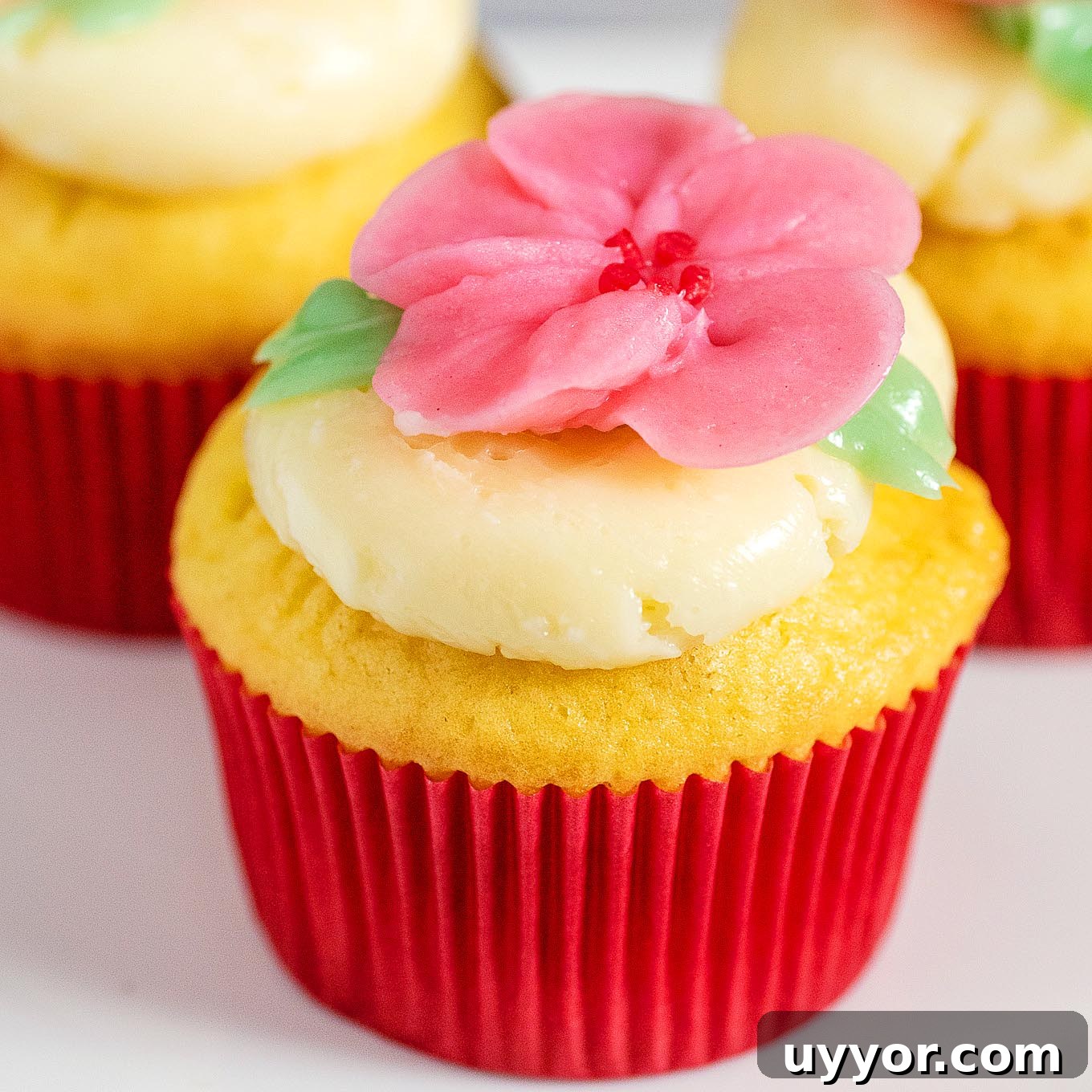
This post is sponsored by Nielsen-Massey Vanillas. All opinions are my own.
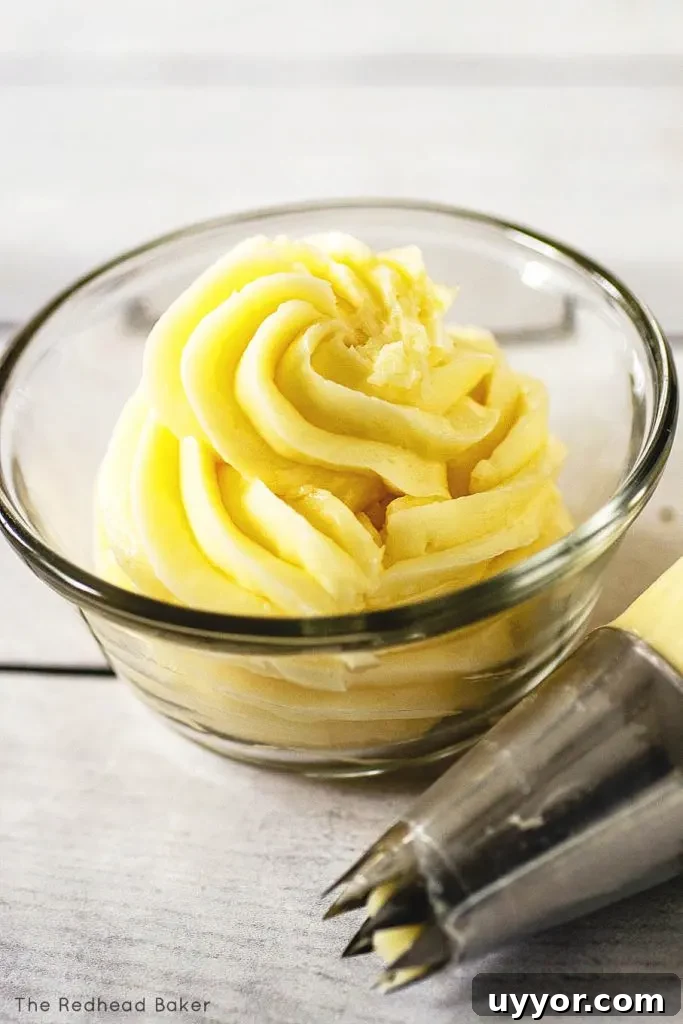
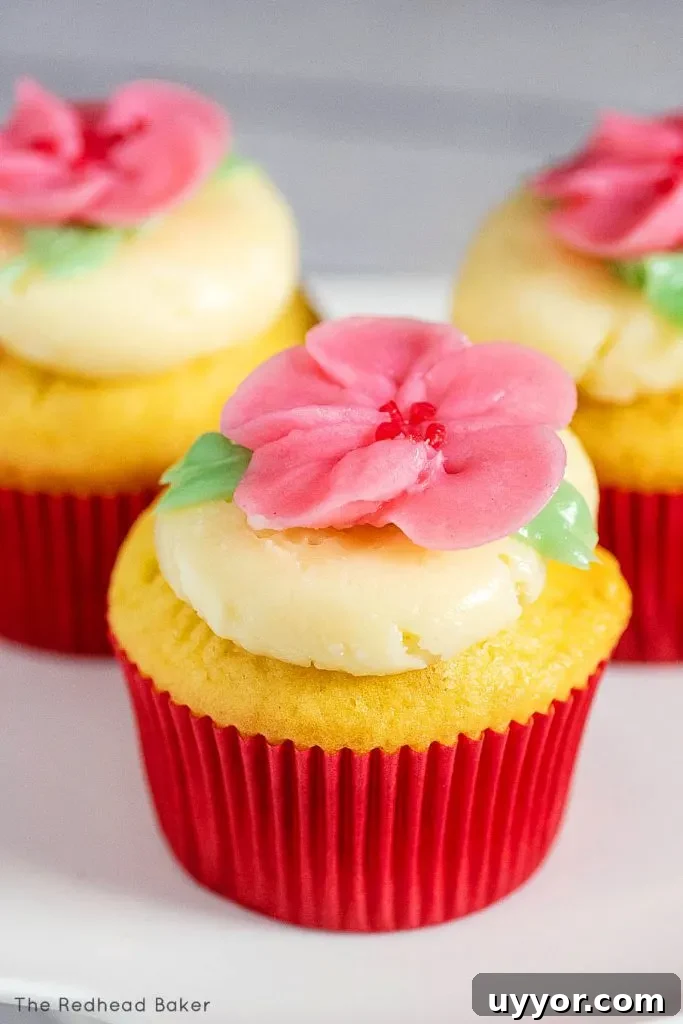
Swiss meringue buttercream is my favorite frosting: creamy, not overly sweet, easy to spread and excellent for piping. Below is an approachable guide to the frosting, practical tips for success, flavor ideas, and how to pipe a simple buttercream cherry blossom.
Working from home while helping my eight-year-old with school has been a challenge, and baking has become my go-to creative outlet. Lately I’ve practiced piping buttercream flowers, which is both calming and rewarding. If you’re learning, start with basic, flat flowers before attempting elaborate tiered cakes. This article explains which buttercream works best for piping, the tools you need, and step-by-step advice to improve your results.
What is buttercream?
Buttercream is a category of frostings made from butter and sugar with optional flavorings. American buttercream is familiar to many: it’s simple and sweet and can be thinned for spreading or stiffened for piping. Egg-based buttercreams—French, Swiss, Italian, and German—each have different textures and stability:
- French buttercream uses egg yolks and hot sugar syrup. It is rich and high in fat, but can be temperamental in warm conditions and has a yellow tint that affects coloring.
- Swiss buttercream is made by heating sugar with egg whites, whipping to a meringue, then incorporating butter. It has a silky texture and a mild color, making it a versatile choice.
- Italian buttercream combines a hot sugar syrup with whipped egg whites before adding butter. It’s slightly more stable and tends to be closer to white, which helps when adding color.
- German buttercream begins with a cooked custard that is folded into butter. It’s velvety and soft, but not ideal for detailed piping.
Swiss meringue buttercream is my preferred option because it balances flavor and texture. It’s smoother and less sweet than American buttercream and works well for many decorations when handled correctly.
Tips and Tricks for Success
Here are practical steps to avoid common pitfalls when making Swiss meringue buttercream:
- Start with a clean bowl and whisk. Wipe them with a paper towel dampened with lemon juice to remove any traces of fat so egg whites whip properly.
- Separate eggs carefully. Crack on a flat surface and transfer whites and yolks between your hands or small bowls so a broken yolk doesn’t contaminate the whites. Refrigerate the yolks for another use.
- Heat egg whites and sugar over simmering water, whisking until the sugar dissolves. Then whip to medium peaks: the peak should form but the tip will fold over slightly.
- If the meringue feels warm after whipping, run the mixer on low to help it cool. If you add butter while the mixture is too warm and it becomes soupy or curdled, chill the bowl in the fridge for 10–15 minutes and then continue beating.
These small steps make a big difference in the final texture and stability of the buttercream.
How to Flavor Buttercream
Swiss buttercream is an excellent neutral base for many flavors. A classic vanilla version is delightful, but you can fold in additions after the buttercream is complete. Common options:
- Chocolate: beat in 4 ounces of melted, cooled chocolate for a chocolate buttercream.
- Fruit: fold in ½ cup fruit curd or about ¾ cup melted, cooled, seedless preserves for a fruit-flavored buttercream.
- Caramel: stir in ½ cup of caramel (homemade or store-bought) for a rich caramel flavor.
Liqueurs and extracts add subtle notes—use sparingly so you don’t change the consistency.
Piping with Swiss Buttercream
Swiss buttercream pipes beautifully for flat flowers and simple borders. It can be less reliable for tall, structured flowers like roses or tulips at room temperature, but excels for daisies, cherry blossoms, apple blossoms, and flat wild roses.
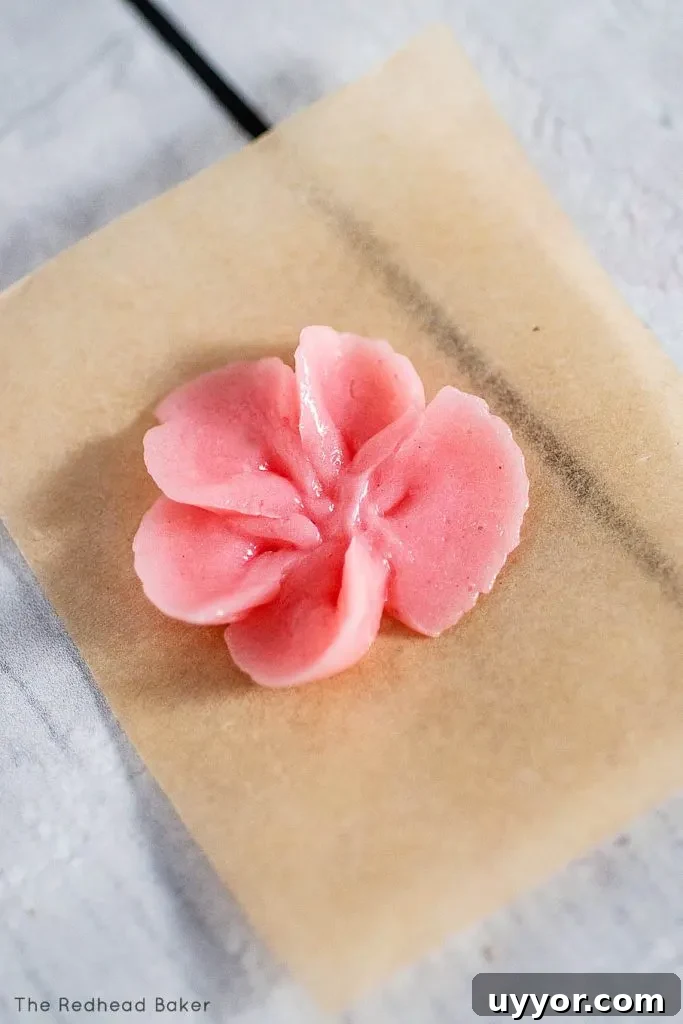
Many decorators pipe flat flowers onto parchment or wax paper attached to a flower nail. This allows you to make flowers ahead and freeze them. Once the cake or cupcakes are frosted, the frozen flowers peel off easily and attach to the finished desserts.
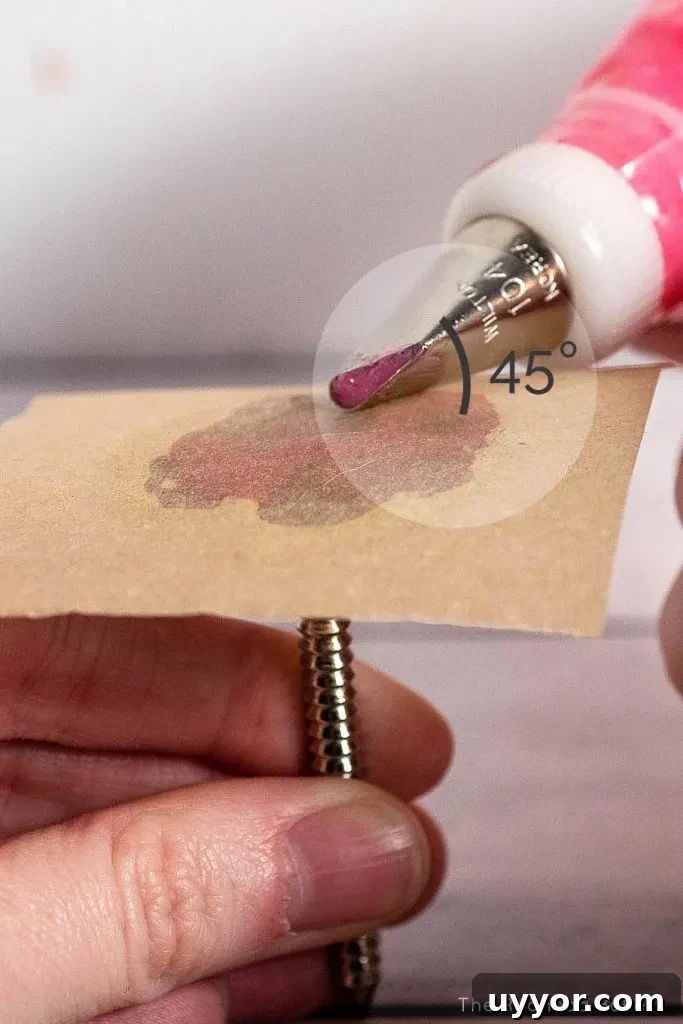
When a tutorial tells you to hold your piping bag at “6 o’clock” and a “45-degree” angle, visualize the flower nail as a clock face. Stand at the 6 o’clock position, pointing the tip halfway between vertical and flat—that 45-degree angle helps create petal depth without making the flower stand upright.
Tools commonly used for piping cherry blossoms:
- Three piping bags
- Decorating tips: a petal tip (around #104), a leaf tip (around #70), and a small round tip (around #1)
- Gel food coloring in pink, red, and green
- Optional: couplers for quick tip changes
Swiss Meringue Buttercream Recipe
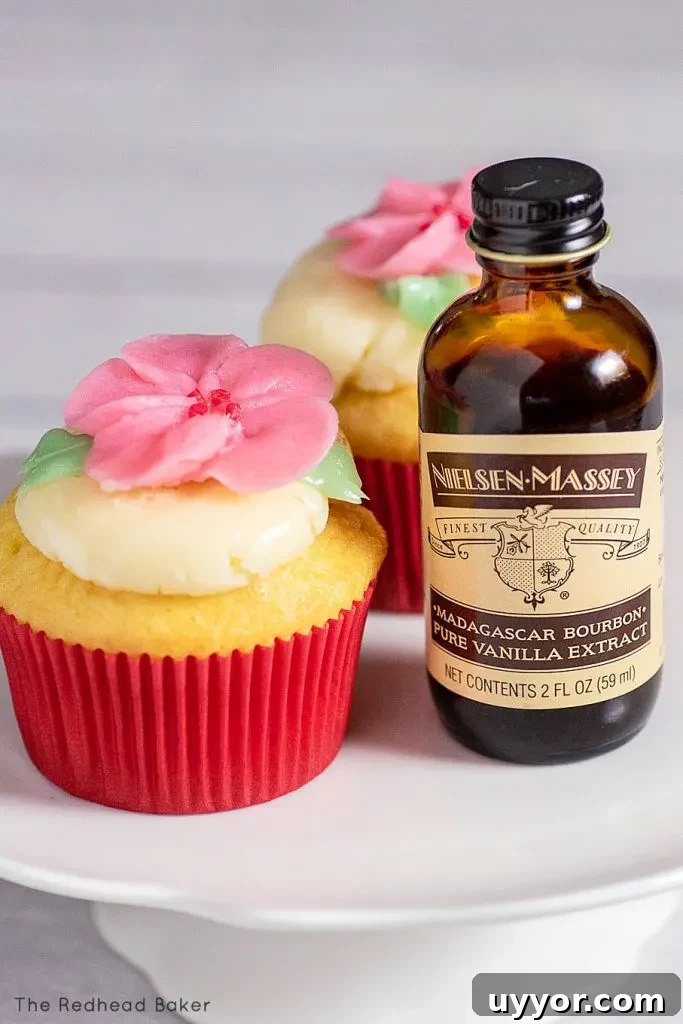
Because this recipe uses few ingredients, choose the best-quality items you can. I prefer a fresh-tasting butter and a pure vanilla extract. Nielsen-Massey Vanillas are my go-to for consistent, natural vanilla.
Swiss Meringue Buttercream
6 cups
15 minutes
10 minutes
20 minutes
45 minutes
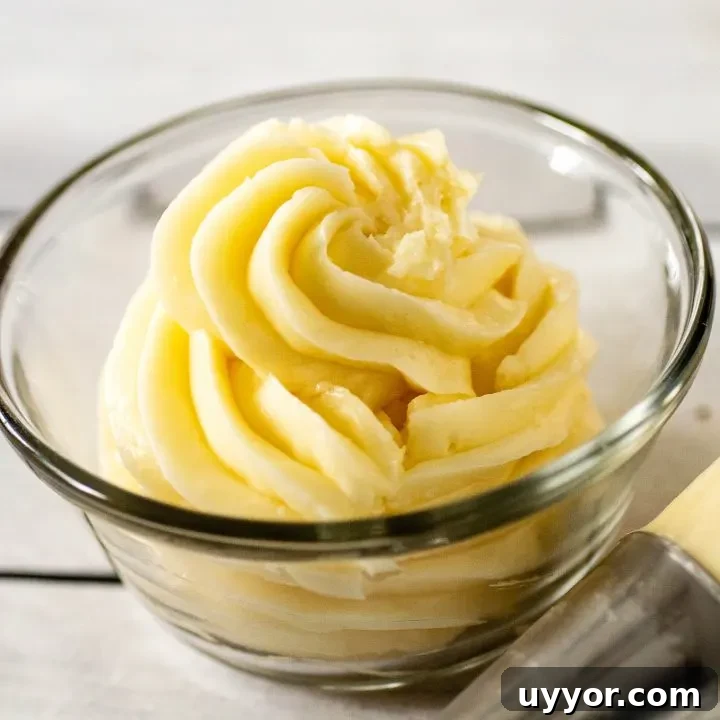
Swiss meringue buttercream is silky, not overly sweet, and ideal for spreading or piping flat flowers.
Ingredients
- 6 egg whites, from large eggs
- 1 ½ cups (10 oz) granulated sugar
- Pinch of kosher salt
- 1 lb unsalted butter, softened but still cool
- 1 tablespoon vanilla extract
Instructions
- Bring about an inch of water in a saucepan to a boil, then lower the heat to a simmer.
- Combine the egg whites, sugar, and salt in a heatproof bowl and set it over the simmering water. Whisk continuously until the sugar dissolves, then remove from heat.
- Transfer the bowl to a stand mixer. Using the whisk attachment, whip the mixture until the meringue forms medium peaks.
- Switch to the paddle attachment. With the mixer on medium, add the butter a tablespoon at a time, waiting until each addition is incorporated before adding more.
- If the mixture looks soupy or curdled after all the butter is added, refrigerate the bowl uncovered for about 15 minutes, then continue mixing until smooth and fluffy.
- Beat in the vanilla extract. At this point you can use the frosting as-is or fold in flavorings or gel colors.
Notes
Optional flavor additions:
- 4 oz melted and cooled chocolate
- ½ cup fruit curd or ¾ cup melted, cooled seedless preserves
- ½ cup caramel (not ice cream topping)
- 1–2 tablespoons of liqueur
Nutrition Information:
Yield: 24
Serving Size: ¼-cup portion
Amount Per Serving:
Calories: 145
Total Fat: 16g
Saturated Fat: 10g
Cholesterol: 48mg
Sodium: 24mg
Protein: 1g
Nutrition estimates are provided as a guideline.
You might also like
- Daisy Cupcakes
- How to Pipe Buttercream Roses
- How to Swirl Frosting Colors