Ancient Egyptians were among the first to blend aromatic oils with cleansing agents, laying the groundwork for the soaps and aromatherapy products we enjoy today. That early practice has developed into a creative craft, letting you bring the benefits of nature into every shower or bath.
Choosing the right essential oils can elevate your soap making. From uplifting citrus to calming lavender, essential oils add fragrance and therapeutic benefits—antiseptic, anti-inflammatory, or soothing effects—that improve both the sensory and functional qualities of handmade soap.
The Benefits of Essential Oil Soap
Essential oils are a natural way to scent handmade soap without synthetic fragrances. They work with cold process and melt-and-pour methods and contribute more than aroma:
- Aromatherapy – essential oils provide pleasant scents that can lift your mood every time you wash.
- Therapeutic properties – many oils offer anti-bacterial, anti-inflammatory, or skin-soothing benefits depending on the oil.
Because these oils are applied to skin, choose reputable, 100% pure essential oils that aren’t diluted or blended with synthetic fragrance oils. Heat can alter an oil’s chemistry, so let your soap base cool almost completely before adding essential oils; some oils begin to break down at around 100°F, reducing their effectiveness.
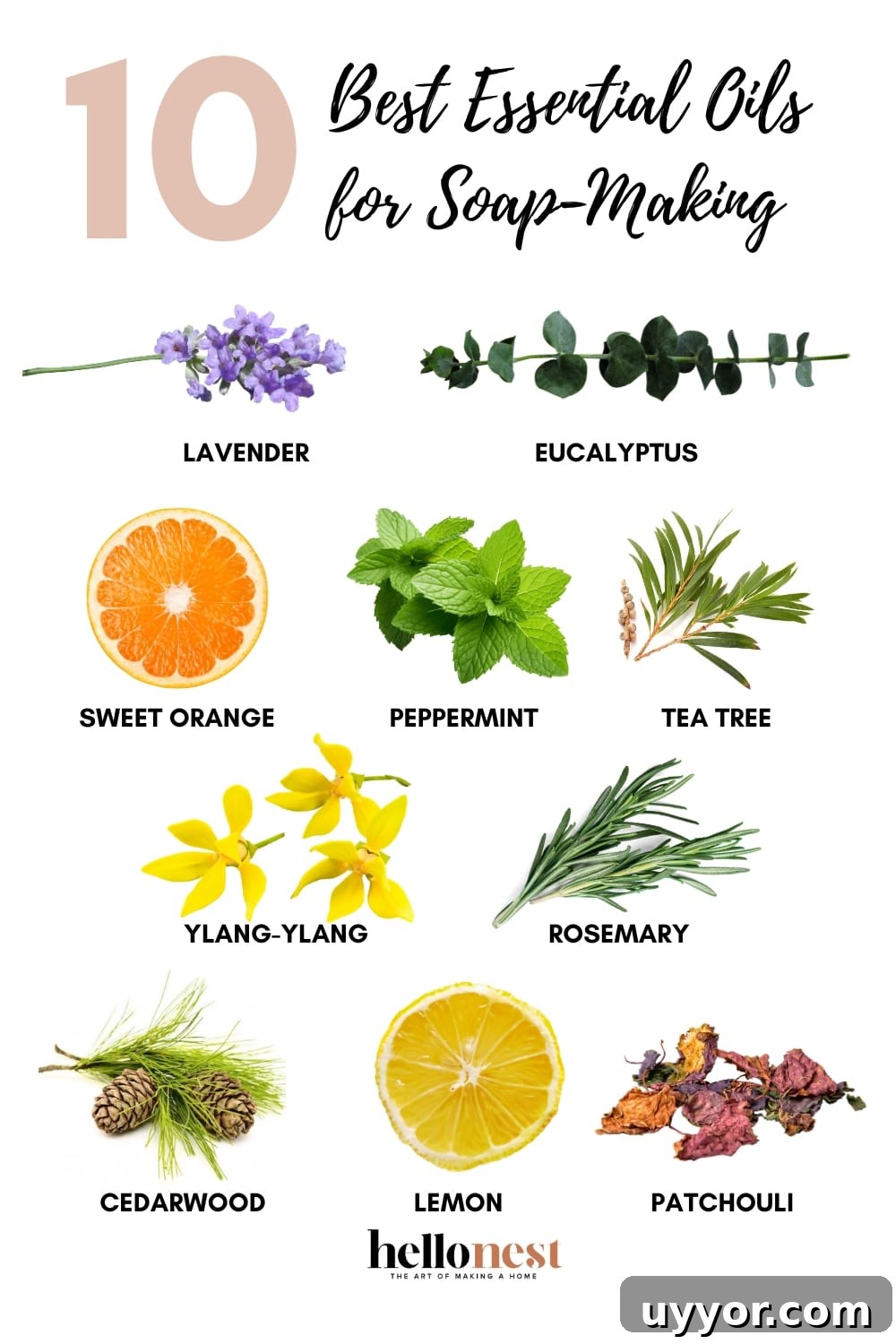
Best Essential Oils for Soap Making
Each essential oil brings a unique scent and set of benefits. Experiment with single oils or blends to create bars tailored to mood, skin type, or time of day.
1. Lavender Essential Oil
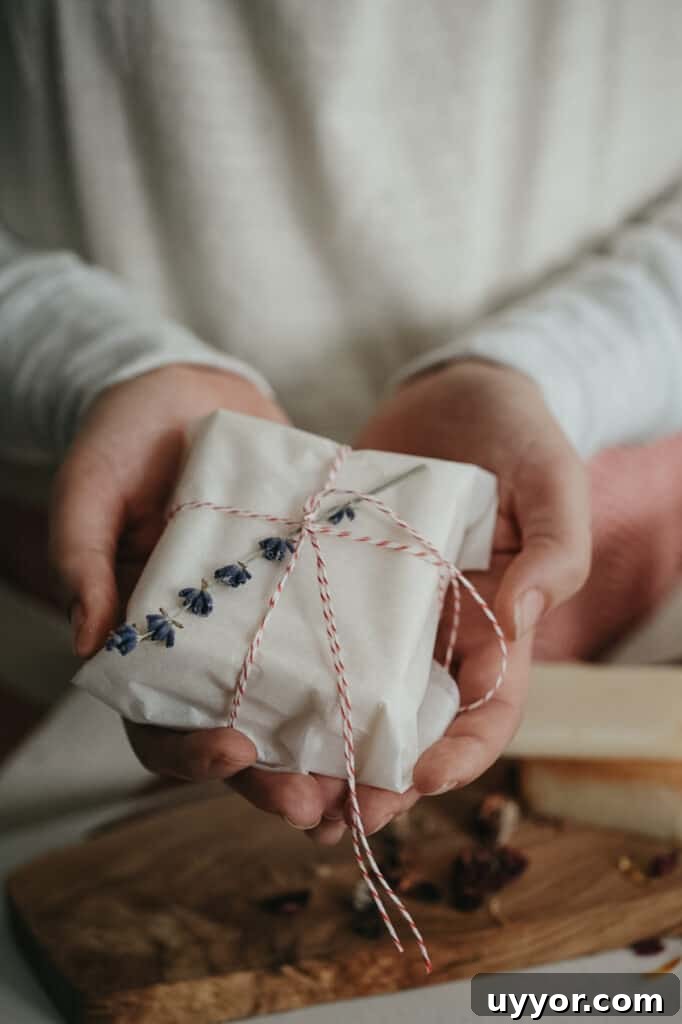
Lavender offers a gentle, floral aroma that’s ideal for bedtime or evening bath soaps. It’s widely used to soothe irritated skin and help create a calming bathing experience. For most soap recipes, start with about 3% lavender in your fragrance blend—mild, pleasant, and suitable for many skin types.
Try This Lavender Lemon Soap Recipe
2. Tea Tree Essential Oil
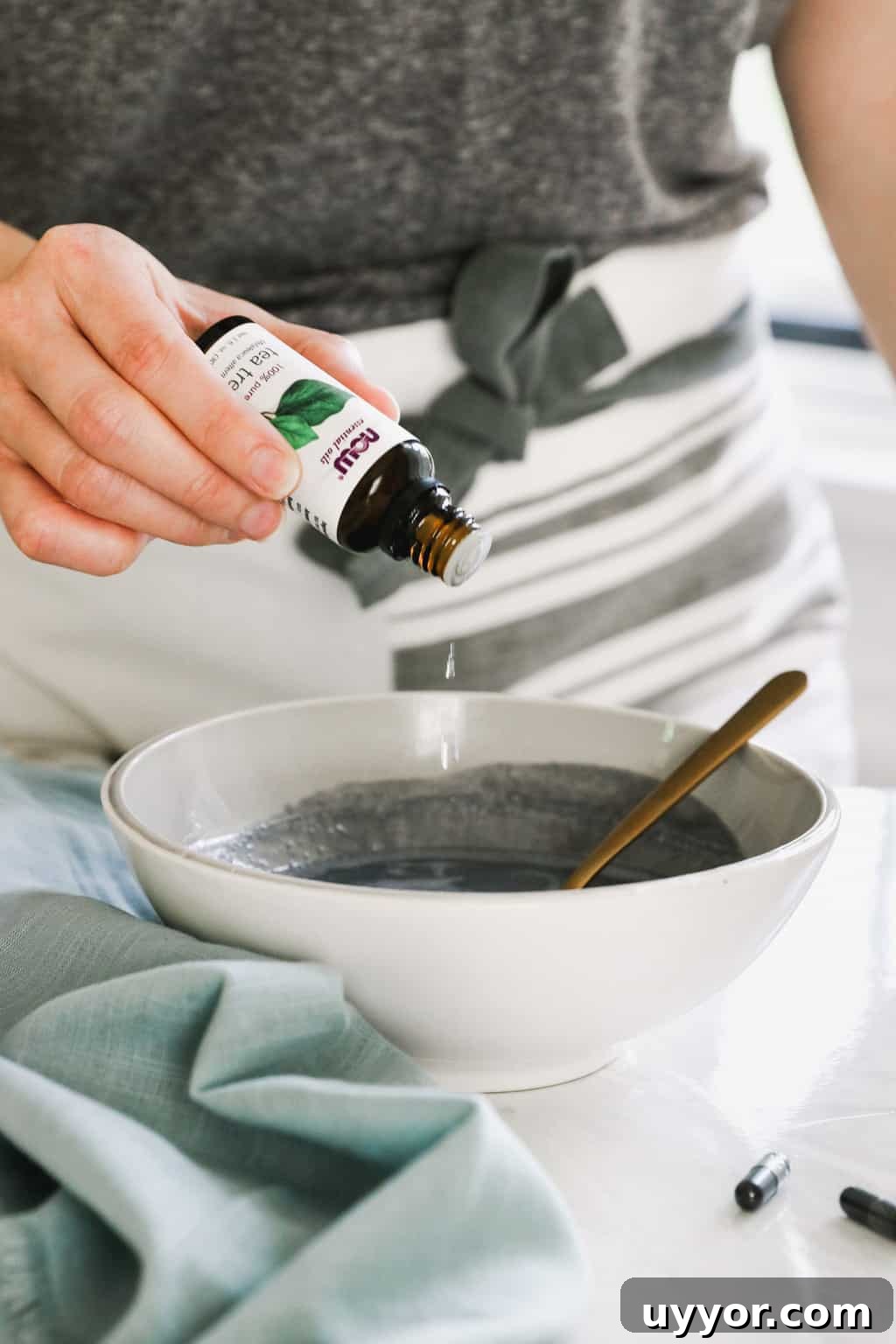
Tea tree oil is prized for its cleansing and antibacterial qualities, making it a common choice for soaps targeting acne-prone or troubled skin. Use tea tree at 1–3% in cleansing bars. Its fresh, medicinal scent pairs well with lavender or peppermint.
Try this Activated Charcoal + Tea Tree Soap Recipe
3. Sweet Orange Essential Oil
Sweet orange adds a bright, cheerful aroma that lifts the spirits and helps cleanse oily skin. Use 1–5% in soap formulas; it blends nicely with other citrus or spicy notes. Note: citrus oils are photosensitive and can increase sun sensitivity—use these soaps at night or advise sunscreen when used during the day.
Try this Sweet Orange Soap Recipe
4. Peppermint Essential Oil
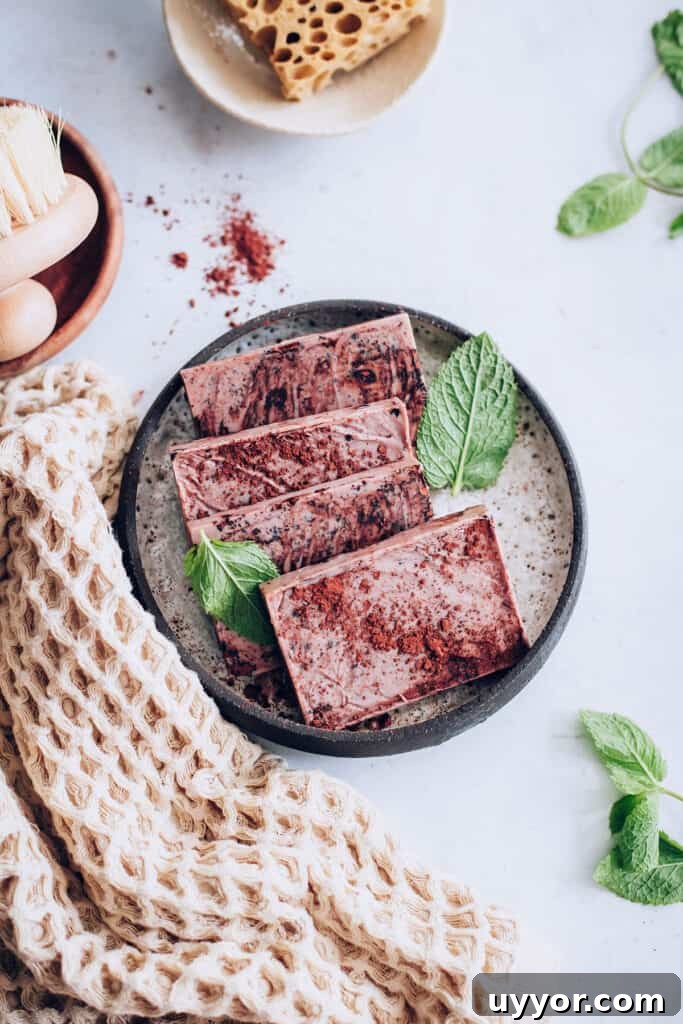
Peppermint gives a cooling, invigorating scent and a tingling sensation that wakes you up—ideal for morning shower bars. Add peppermint at 1–3% of the soap blend; it’s potent, so a little goes a long way and it pairs well with eucalyptus or citrus oils.
Try this Peppermint Chocolate Soap Recipe
5. Eucalyptus Essential Oil
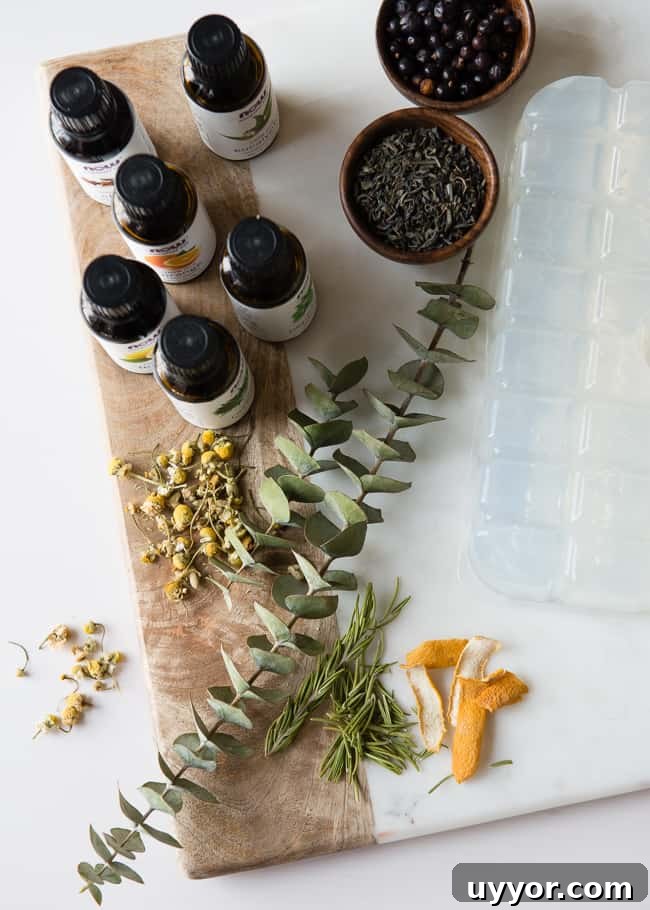
Eucalyptus lends a fresh, clarifying scent and is often used in shower soaps to help open airways and refresh the mind. Use it at 1–3% and consider combining it with peppermint or tea tree for a particularly brisk, cleansing bar.
Try this Eucalyptus + Lemon Glycerin Soap Recipe
6. Cedarwood Essential Oil
Cedarwood brings a warm, woody note that suits rustic or outdoorsy soaps. It offers gentle calming properties for the skin and combines well with patchouli or other earthy scents. Add cedarwood at 1–3% of your fragrance load.
Try this Cedarwood Baking Soda Soap Recipe
7. Lemon Essential Oil
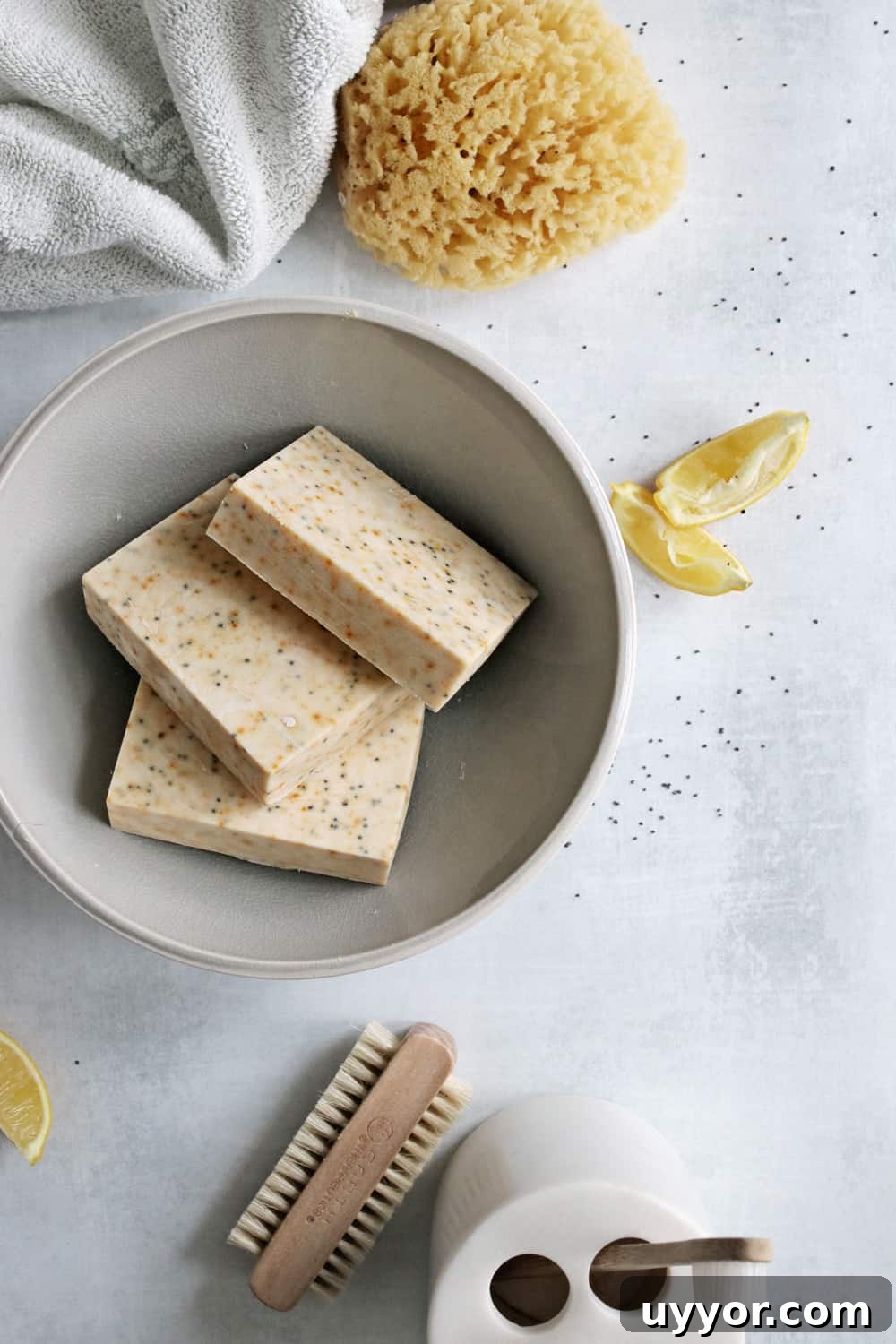
Lemon provides a bright, uplifting scent and natural cleaning properties that make it a favorite for morning soaps. Use sparingly—0.5–1%—because citrus oils are strong and photosensitive. Pair lemon with other citrus oils like sweet orange for a fresh blend.
Try this Lemon + Bergamot Cold Process Soap Recipe
8. Ylang-Ylang Essential Oil
Ylang-ylang offers a rich, floral aroma that imparts a luxurious, long-lasting scent to bath bars. It helps balance skin’s natural oils and creates a relaxing atmosphere. Because it is powerful, use ylang-ylang at 0.5–1% in your soap blends and combine it with other florals or light woods for depth.
Try this Patchouli + Ylang Ylang Soap Recipe
9. Rosemary Essential Oil
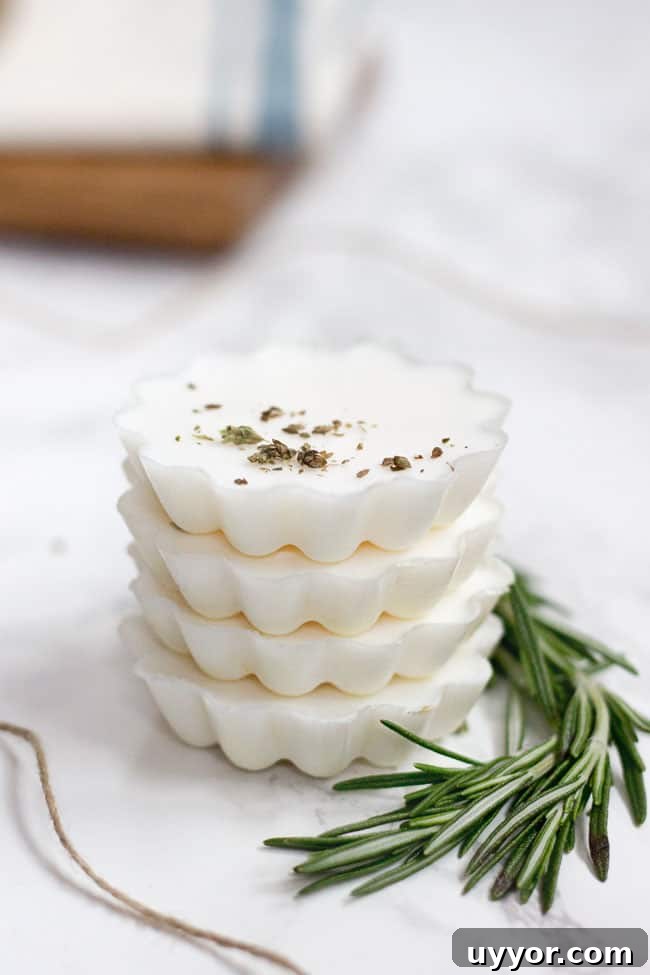
Rosemary brings a fresh, herbal, slightly woody scent and is commonly chosen for morning soaps that invigorate and help balance oily skin. Use rosemary at 1–3% and pair it with lavender, tea tree, or eucalyptus for a garden-fresh aroma.
Try this Rosemary + Eucalyptus Soap Recipe
10. Patchouli Essential Oil
Patchouli provides a deep, earthy aroma that suits rustic and grounding soap blends. It’s beneficial for dry skin and pairs well with cedarwood, ylang-ylang, or peppermint. Use patchouli at 0.5–5% depending on the strength you want in the finished bar.
Try this Peppermint + Patchouli Soap Recipe
Basic Essential Oil Soap Recipe
Ingredients:
1 pound melt-and-pour soap base
Approximately 25 drops total of your chosen essential oils (adjust to scent strength and safety guidelines)
Instructions: Chop the soap base into small cubes and place them in a microwave-safe bowl. Heat in short 15-second intervals, stirring between each interval, until the base is fully melted. Allow the melted soap to cool nearly to room temperature before stirring in the essential oils. Mix thoroughly, pour into molds, and let cool and harden completely. If you don’t have soap molds, use a clean milk carton as a loaf mold and cut the loaf into bars after it has fully cooled.